
A sun-kissed glow may look healthy, but the truth is that there’s no such thing as a completely safe tan from the sun or a tanning bed. A tan is your skin’s response to ultraviolet (UV) damage, and repeated exposure increases the risk of premature aging, sunspots, and skin cancer.
The good news is that you can still achieve a bronzed look while greatly reducing the risks. Here’s what dermatology experts recommend.
Why Traditional Tanning Isn’t Safe
When your skin darkens after sun exposure, it’s producing more melanin, the pigment that helps protect against further UV damage. While this is your body’s natural defense mechanism, it also signals that skin cells have already been injured.
Over time, excessive UV exposure can contribute to wrinkles, loss of skin elasticity, age spots, and an increased risk of skin cancer.
1. Always Wear Sunscreen
If you’re spending time outdoors, sunscreen should be non-negotiable.
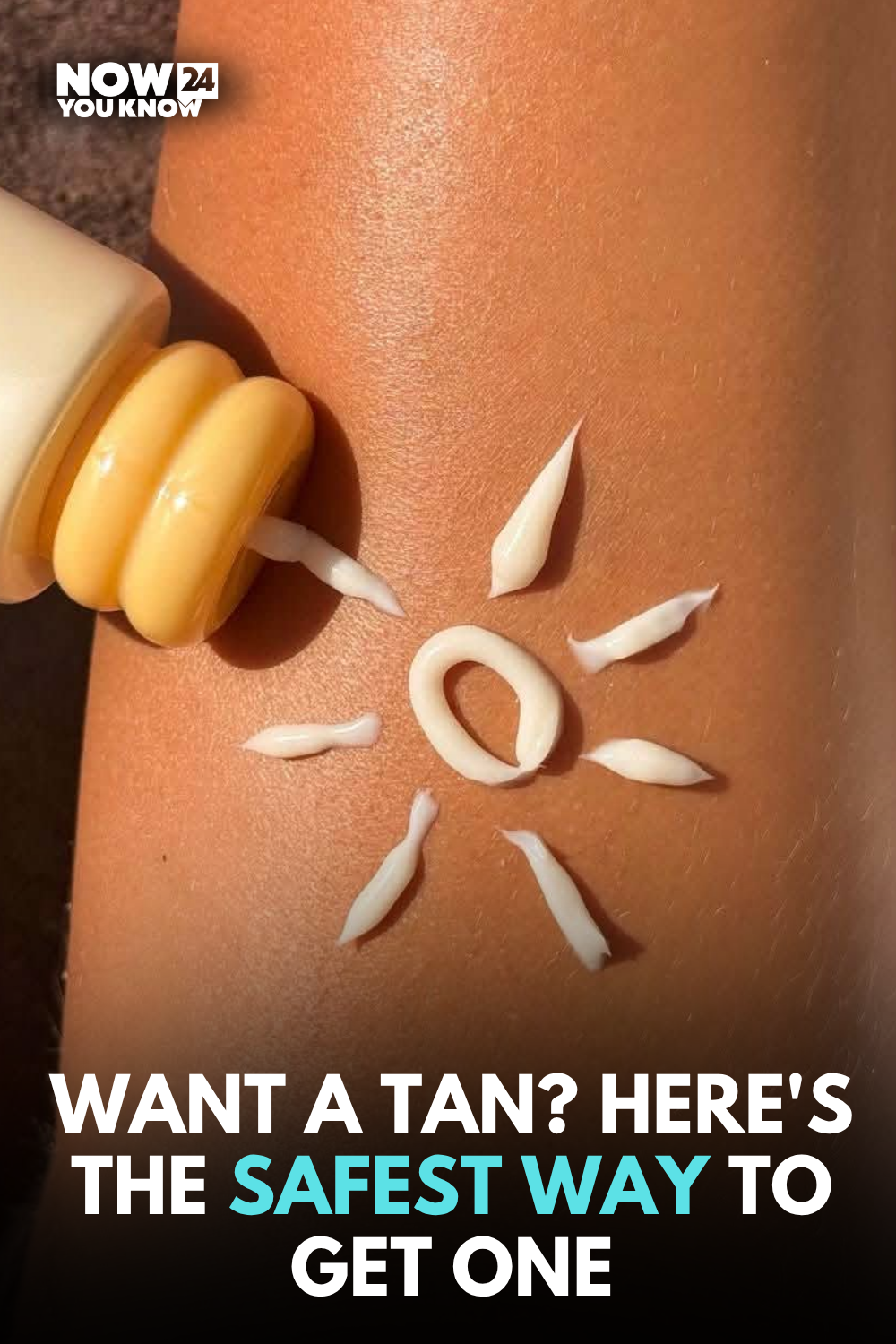
Choose a broad-spectrum sunscreen with SPF 30 or higher, and apply it at least 15 to 20 minutes before going outside. Reapply every two hours, or sooner if you’re swimming or sweating.
Contrary to popular belief, you can still develop a gradual tan while wearing sunscreen, but your skin will be far better protected from harmful UV rays.
2. Avoid Spending Hours in Direct Sunlight
Many people believe that longer sun exposure creates a deeper tan. In reality, after a certain point, your skin produces little additional melanin, meaning extra time in the sun mainly increases skin damage rather than improving your tan.
Limiting your time outdoors is one of the best ways to protect your skin.
3. Take Regular Shade Breaks
If you’re outside for an extended period, give your skin frequent breaks by moving into the shade.
This helps reduce cumulative UV exposure while lowering your risk of overheating and sunburn.
4. Change Positions Often
Staying in one position for too long can cause certain areas of your body to receive much more sunlight than others.
Moving around regularly helps reduce the chance of severe sunburn on one part of your skin.
5. Prepare and Care for Your Skin
Before spending time outdoors, gently exfoliating can remove dry skin and help create a smoother, more even appearance.
After sun exposure, applying a moisturizer or aloe vera gel may soothe your skin and help maintain its hydrated appearance.
6. Skip Tanning Beds
Indoor tanning devices expose the skin to concentrated ultraviolet radiation, which significantly increases the risk of skin damage and melanoma.
Health experts consistently recommend avoiding tanning beds altogether.
7. Consider Sunless Tanning Instead
If your goal is simply to achieve bronzed skin, self-tanners and professional spray tans are the safest options.
These products darken the outer layer of the skin without exposing you to harmful UV radiation, allowing you to enjoy the appearance of a tan without increasing your skin cancer risk.
The Bottom Line
There is no completely safe way to tan naturally under UV rays. While sunscreen and limiting sun exposure can reduce some risks, the healthiest option is to protect your skin and choose sunless tanning products if you want a bronzed glow.
No matter your skin tone, it’s also important to monitor your skin for new or changing moles, unusual spots, or persistent skin changes, and consult a healthcare professional if anything seems unusual.