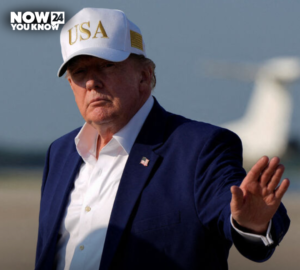




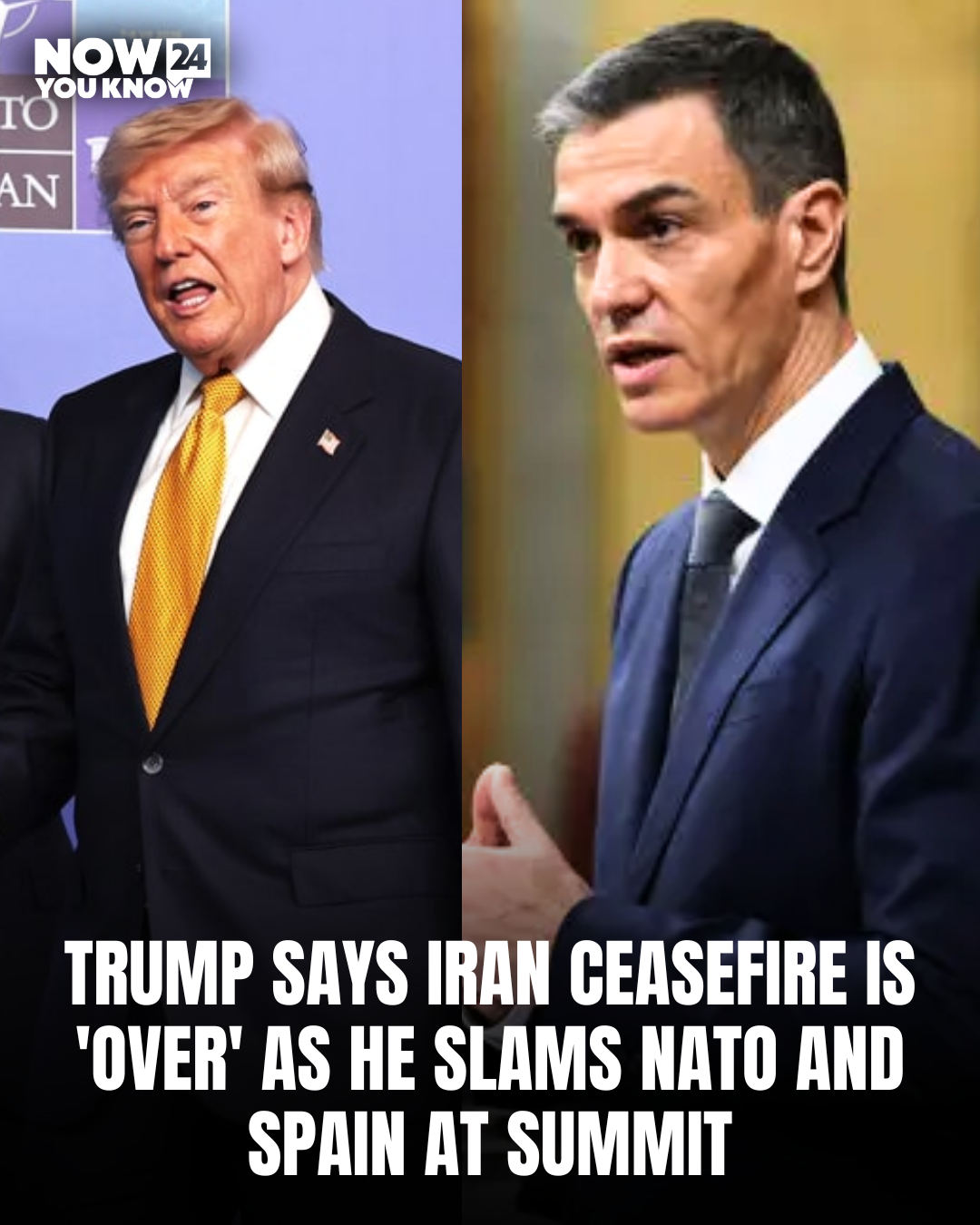

President Donald Trump declared that the ceasefire with Iran was “over” during remarks at a NATO summit, while also criticizing alliance members over defense spending and renewing controversial comments about Greenland and Spain.
Trump Escalates Rhetoric on Iran
Speaking alongside NATO Secretary General Mark Rutte, Trump described Iran’s leadership as “scum” and “sick people,” saying he no longer wanted to deal with them. He argued that if Iran obtained a nuclear weapon, it would use it, adding that, in his view, the ceasefire was effectively over.
Despite his comments, Trump also noted that U.S. negotiators remained open to continued diplomatic discussions, signaling that communication channels had not been completely closed.
Sharp Criticism of NATO Allies
Trump shifted his focus to NATO, saying he was “very upset” with the alliance. He claimed several European countries failed to adequately support the United States during tensions with Iran and repeated long-standing complaints that the U.S. shoulders a disproportionate share of NATO’s defense burden.
He also renewed criticism of Spain after the country declined to fully commit to NATO’s higher defense spending target. Trump suggested trade consequences could follow, although no formal policy changes were announced.
Greenland Returns to the Conversation
The president also revived his interest in Greenland, calling the Arctic territory strategically important to U.S. national security. Danish officials quickly pushed back, reiterating that Greenland remains part of the Kingdom of Denmark and is not for sale.
The comments echoed previous proposals made during Trump’s first term, which were firmly rejected by Danish leaders.
NATO Attempts to Keep the Summit on Track
Rutte sought to ease tensions during the meeting, praising Trump’s role in encouraging allies to increase military spending. NATO leaders entered the summit hoping to emphasize greater defense cooperation and long-term commitments among member nations.
While disagreements dominated headlines, alliance members are still expected to reaffirm NATO’s collective defense pledge and continue discussions on security challenges facing Europe and the Middle East.