



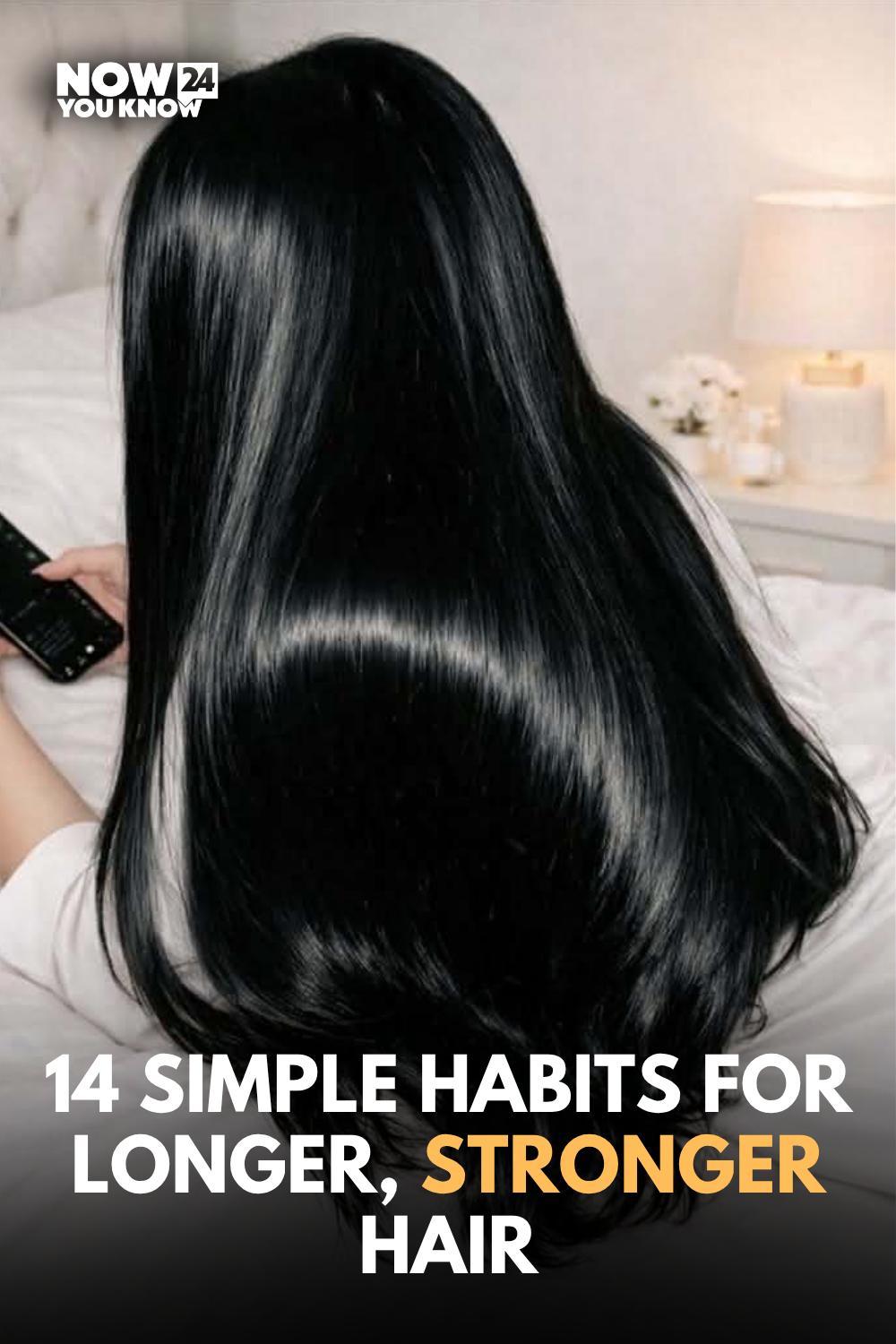

If you’ve been dreaming of longer, healthier hair, the secret isn’t usually a miracle product. Hair growth is influenced by genetics, but everyday habits can make a big difference by reducing breakage and creating the best conditions for stronger, healthier strands.
Here are 14 expert-backed tips that can help you protect your hair while supporting healthy growth.
1. Turn Down the Heat
Frequent use of blow dryers, curling irons, and straighteners can weaken hair and lead to breakage. When using heat styling tools, always apply a heat protectant, choose the lowest effective temperature, and avoid using them every day.
2. Be Gentle With Wet Hair
Hair is at its most fragile when wet. Instead of brushing aggressively, let straight hair air dry slightly before using a wide-tooth comb. If you have curly or textured hair, gently detangle while it’s still damp to minimize damage.
3. Limit Harsh Chemical Treatments
Bleaching, frequent coloring, and chemical treatments can weaken the hair shaft, making strands more likely to split before reaching your desired length. If you color your hair, staying closer to your natural shade often requires fewer harsh chemicals.
4. Know Which Medications Affect Hair
Some medications can contribute to hair thinning, while others may help treat certain types of hair loss. If you’ve noticed increased shedding after starting a new prescription, speak with your healthcare provider before making any changes.
5. Don’t Skip Regular Trims
Although trimming doesn’t make hair grow faster from the scalp, it helps remove split ends before they travel farther up the hair shaft. A light trim every few months can help your hair appear fuller and healthier.
6. Keep Stress Under Control
Chronic stress can push hair follicles into a resting phase, leading to increased shedding weeks or months later. Finding healthy ways to manage stress through exercise, meditation, hobbies, or quality sleep may benefit both your overall health and your hair.
7. Handle Fragile Hair Carefully
If your hair breaks easily, avoid over-washing and harsh styling. Protective treatments, deep conditioning, and limiting chemical relaxers can help reduce damage, especially for naturally textured or curly hair.
8. Don’t Wear Tight Styles Too Long
Braids, extensions, weaves, and tight ponytails can pull on the scalp and contribute to traction hair loss. If a hairstyle feels painful, it’s too tight. Give your hair regular breaks from tension.
9. Never Skip Conditioner
Conditioner helps strengthen hair, smooth the cuticle, and reduce breakage. Apply it after every shampoo, focusing on the mid-lengths and ends where hair tends to be driest.
10. Lose Weight Gradually
Rapid weight loss and restrictive diets may lead to temporary hair shedding, especially if your body isn’t getting enough protein or essential nutrients. A balanced, sustainable eating plan supports both your health and healthy hair growth.
11. Check for Nutrient Deficiencies
Low levels of iron, vitamin D, zinc, biotin, and certain B vitamins can contribute to hair loss in some people. If you’re experiencing unusual shedding, your healthcare provider can check for deficiencies before recommending supplements.
12. Sleep on Satin
Switching to a satin pillowcase or wearing a satin bonnet while sleeping won’t make your hair grow faster, but it may reduce friction, tangles, frizz, and breakage overnight.
13. Try a Daily Scalp Massage
A gentle scalp massage for a few minutes each day may improve circulation and help reduce stress. Some small studies suggest it could even encourage thicker hair over time, although more research is needed.
14. Ask a Dermatologist About Microneedling
Microneedling has shown promising results for certain types of hair loss, especially when combined with treatments such as minoxidil. Because improper use can irritate the scalp or worsen some conditions, it’s safest to discuss this option with a dermatologist.
The Bottom Line
Healthy hair growth starts with protecting the hair you already have. Gentle styling, proper nutrition, regular conditioning, and good scalp care can all help reduce breakage so your hair has the chance to reach its full potential. While there’s no overnight solution, small daily habits often produce the biggest long-term results.