
Iron deficiency anemia is one of the most common nutritional deficiencies worldwide. It develops when your body doesn’t have enough iron to produce healthy red blood cells, reducing the amount of oxygen carried throughout the body. The result can be persistent fatigue, weakness, shortness of breath, and difficulty concentrating.
While your doctor may recommend iron supplements or other treatments, your daily diet also plays an important role in restoring healthy iron levels and preventing future deficiency.
Signs You May Have Iron Deficiency
Iron deficiency can develop gradually, and symptoms often become more noticeable over time. Common signs include:
- Constant fatigue or weakness
- Pale skin
- Shortness of breath
- Frequent headaches or dizziness
- Brittle nails
- Hair thinning or increased hair loss
- Difficulty concentrating
- Cracks at the corners of the mouth
If you experience these symptoms, it’s important to speak with a healthcare provider for proper testing rather than self-diagnosing.
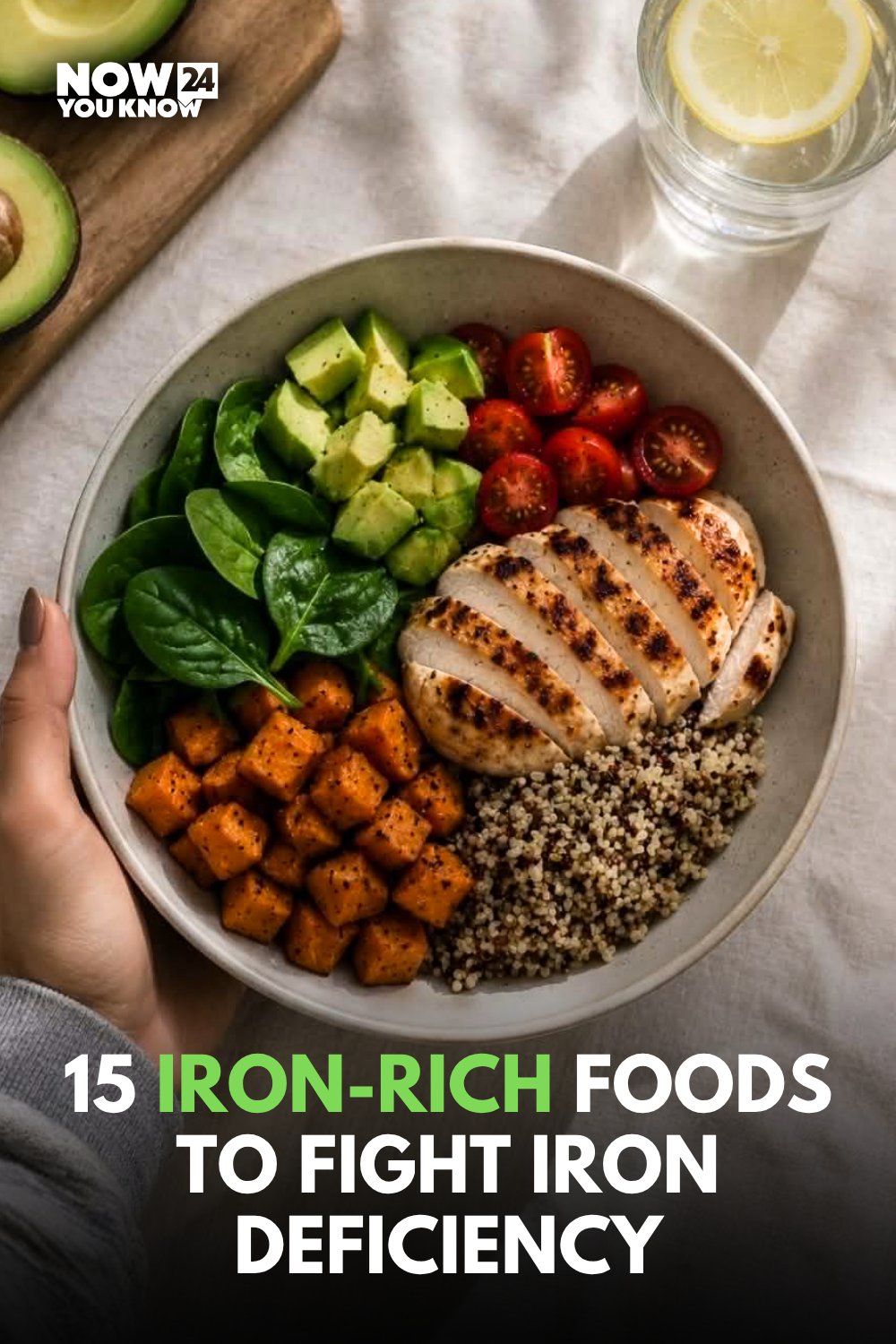
15 Iron-Rich Foods to Add to Your Diet
Including a variety of iron-rich foods can help replenish your body’s iron stores.
1. Lean Beef
Beef is one of the richest sources of heme iron, the form of iron that is most easily absorbed by the body.
2. Liver
Beef or chicken liver contains exceptionally high amounts of iron, along with vitamin B12 and vitamin A. Because it’s also very high in vitamin A, it should be eaten in moderation, especially during pregnancy.
3. Turkey
Dark turkey meat provides a good source of iron while also supplying high-quality protein.
4. Oysters and Clams
Shellfish such as oysters and clams are among the best natural sources of absorbable iron.
5. Salmon and Mackerel
These fatty fish contribute smaller amounts of iron while also providing heart-healthy omega-3 fatty acids.
6. Eggs
Egg yolks contain iron, making eggs an easy addition to a balanced diet.
7. Spinach
Spinach is packed with non-heme iron, along with folate and other important nutrients.
8. Broccoli
Broccoli provides iron and is also rich in vitamin C, which helps improve iron absorption.
9. Lentils and Beans
Lentils, kidney beans, black beans, and chickpeas are excellent plant-based sources of iron and fiber.
10. Soybeans
Soy products like edamame and tofu can help boost iron intake, especially for vegetarians.
11. Nuts and Seeds
Cashews, pumpkin seeds, sesame seeds, almonds, and sunflower seeds all contain iron and healthy fats.
12. Oats and Iron-Fortified Cereals
Many breakfast cereals are fortified with iron, making them an easy way to increase daily intake.
13. Raisins and Dried Apricots
Dried fruits offer small amounts of iron while making a convenient snack.
14. Strawberries and Citrus Fruits
Although these fruits don’t contain large amounts of iron, their high vitamin C content helps your body absorb iron more efficiently.
15. Pomegranate and Blueberries
These antioxidant-rich fruits can be part of a healthy diet that supports overall blood health.
How to Absorb More Iron
Eating iron-rich foods is only part of the equation. Your body absorbs iron much better when you:
- Pair iron-rich meals with vitamin C-rich foods like oranges, kiwi, strawberries, tomatoes, or bell peppers.
- Cook in cast-iron cookware when appropriate, which may slightly increase the iron content of some foods.
- Eat a balanced diet that includes both animal and plant sources of iron.
Foods That Can Reduce Iron Absorption
Certain foods and drinks may interfere with iron absorption if consumed at the same time as iron-rich meals, including:
- Tea
- Coffee
- Large amounts of calcium supplements
- Some high-calcium dairy products when taken alongside iron-rich meals
You don’t necessarily need to avoid these foods, but spacing them a couple of hours away from iron-rich meals may help.
When Diet Isn’t Enough
Some people, including pregnant women, individuals with heavy menstrual bleeding, people with digestive disorders, or those experiencing ongoing blood loss, may need iron supplements prescribed by a healthcare professional.
Never start high-dose iron supplements without medical advice, as excess iron can be harmful.
The Bottom Line
A balanced diet filled with iron-rich foods, combined with enough vitamin C to improve absorption, can play an important role in preventing and managing iron deficiency anemia. If you continue to feel unusually tired or have symptoms of anemia despite improving your diet, it’s important to seek medical advice to identify the underlying cause and receive the right treatment.