




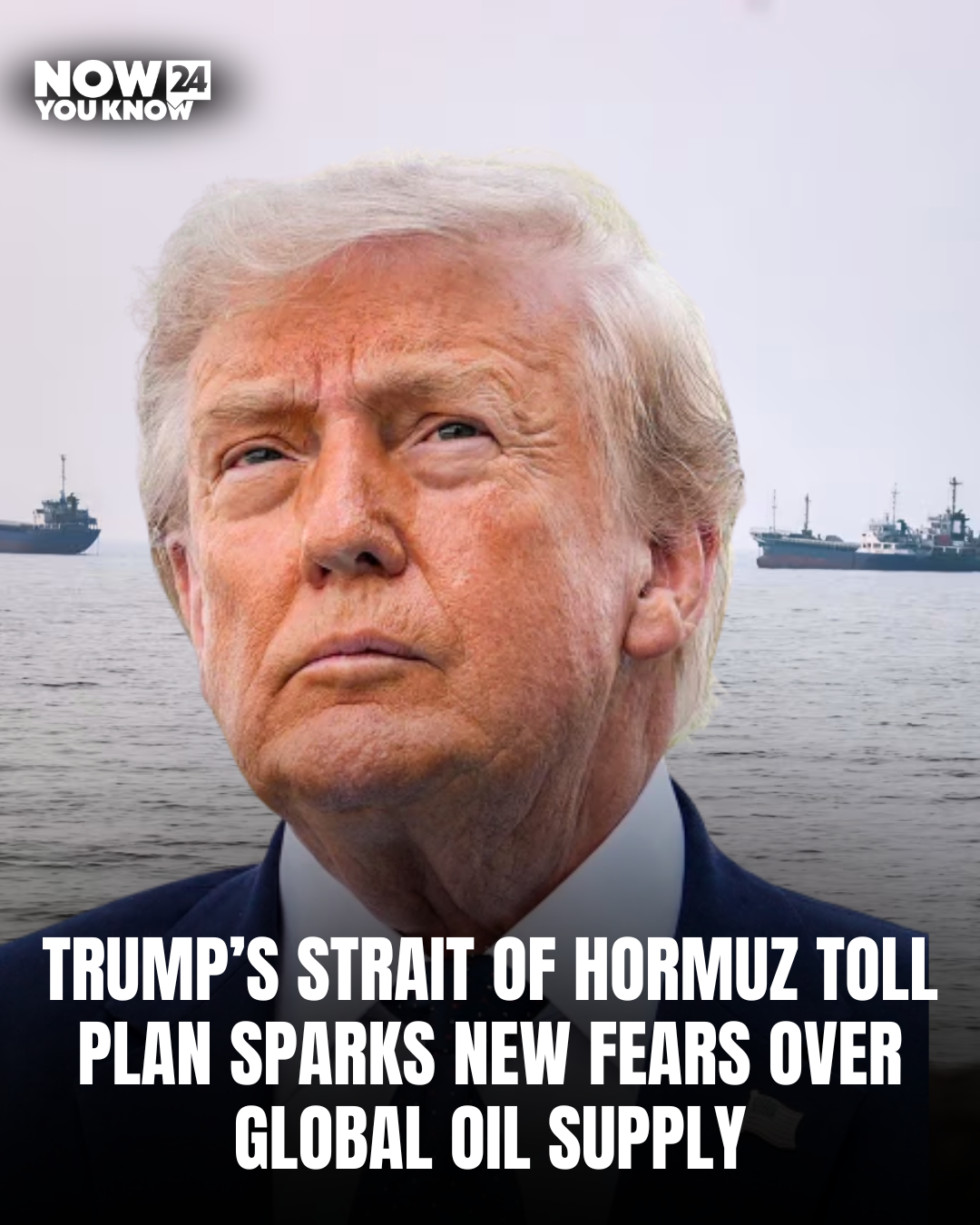

President Donald Trump’s proposal to impose a 20% fee on cargo passing through the Strait of Hormuz is raising fresh concerns about the global oil market, with analysts warning the bigger risk isn’t the toll itself, but the possibility of renewed disruptions to one of the world’s busiest energy routes.
Experts say the proposal has shifted attention back to supply risks just weeks after hopes had grown that oil markets would remain comfortably supplied following a temporary U.S.-Iran agreement.
Analysts Warn Oil Surplus Could Disappear
Energy analysts say forecasts for a global oil surplus are now under pressure if tensions continue to escalate in the Gulf.
According to Andy Lipow, president of Lipow Oil Associates, the market had expected stronger oil supplies after last month’s U.S.-Iran memorandum of understanding.
However, he warned that those expectations could quickly unravel if the Strait of Hormuz is shut down again.
Lipow estimates Trump’s proposed fee could add roughly $16 per barrel to crude transported through the waterway, although the administration has not yet explained how the toll would be collected.
Escalation Could Have Bigger Impact Than the Fee
Analysts at Citi said the proposal could significantly increase the risk of military escalation between the United States and Iran.
They warned Iran could abandon ongoing negotiations altogether, potentially keeping oil prices elevated for an extended period.
Experts also note that while higher shipping costs matter, the larger concern is the possibility that conflict could remove millions of barrels of oil from the global market.
Shipping Traffic Already Falling
Signs of disruption are already emerging.
Shipping data showed vessel traffic through the Strait of Hormuz dropped sharply, with only 14 ships passing through on Sunday compared with 37 vessels one week earlier.
If exports remain restricted, storage facilities could eventually fill up, forcing producers to temporarily reduce oil production because they have nowhere to send their crude.
That scenario could create a much larger supply shock than damage to infrastructure alone.
Oil Prices Continue to Climb
Oil prices extended recent gains as traders reacted to the latest developments.
U.S. crude futures climbed to nearly $80 per barrel, while international benchmark Brent crude rose above $85, continuing a rally that began after renewed fighting between the United States and Iran.
Analysts say future price movements will largely depend on whether shipping through the Strait of Hormuz can continue without further military disruption.