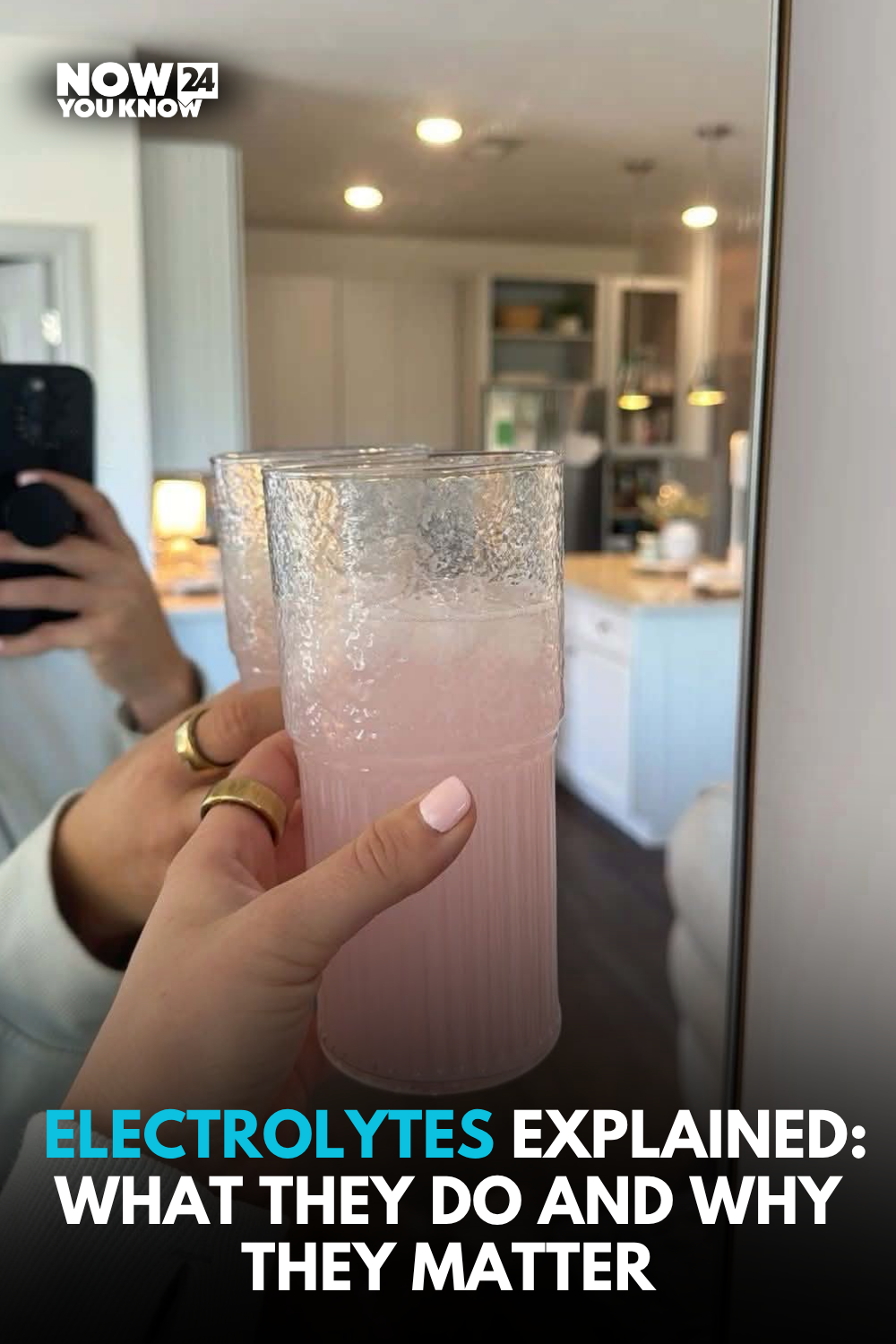

When you hear the word electrolytes, you might think of sports drinks and elite athletes. But electrolytes are essential for everyone, whether you’re exercising, working outdoors, or simply going about your daily routine.
These important minerals help your body stay hydrated, support muscle and nerve function, regulate your heartbeat, and keep many other systems running smoothly.
What Are Electrolytes?
Electrolytes are minerals found in your blood, sweat, and other body fluids. When dissolved in fluid, they carry an electrical charge that allows your nerves, muscles, and organs to communicate and function properly.
Without the right balance of electrolytes, your body can’t perform many of its most basic functions.
What Do Electrolytes Do?
Electrolytes play a vital role in keeping your body healthy. They help:
- Maintain proper hydration
- Balance fluid levels
- Support muscle contractions
- Keep nerves functioning normally
- Regulate heart rhythm
- Control blood pressure
- Balance blood sugar
- Maintain healthy pH levels
- Support overall nervous system function
Even small imbalances can affect how you feel.
The Main Electrolytes Your Body Needs
Several key minerals act as electrolytes:
Sodium
Helps regulate fluid balance, supports nerve signals, and assists muscle function.
Potassium
Supports healthy muscle contractions, heart rhythm, and normal cell function.
Calcium
Essential for strong bones and teeth while also helping muscles contract and nerves send signals.
Magnesium
Supports muscle relaxation, heart health, nerve function, and healthy blood sugar levels.
Chloride
Works with sodium to maintain fluid balance and healthy blood volume.
Phosphate
Helps build strong bones and teeth while supporting energy production.
Bicarbonate
Helps maintain your body’s acid-base balance and transports carbon dioxide through the bloodstream.
How Do You Get Electrolytes?
Most people get all the electrolytes they need by eating a balanced diet and drinking enough fluids throughout the day.
Many fruits, vegetables, dairy products, whole grains, nuts, seeds, and legumes naturally contain important electrolytes.
Remember that hydration doesn’t come only from drinks—many foods also contribute to your daily water intake.
Why Electrolytes Matter for Hydration
Water and electrolytes work together.
Electrolytes help your body:
- Retain the right amount of water
- Move fluids into and out of cells
- Signal when you’re thirsty
- Prevent dehydration
When you lose fluids through sweating, vomiting, diarrhea, or illness, you also lose electrolytes. Replacing both fluids and electrolytes is important for proper recovery.
Drinks That Contain Electrolytes
Several beverages naturally provide electrolytes, including:
- Coconut water
- Bone broth
- Fresh fruit juice
- Vegetable juice
Sports drinks, hydration powders, and electrolyte beverages also contain electrolytes, but many include added sugar, artificial flavors, or unnecessary calories. Always check the nutrition label before choosing one.
For most healthy adults, plain water is enough for everyday hydration. Electrolyte drinks are generally most useful after prolonged exercise, excessive sweating, or illness involving fluid loss.
Foods Rich in Electrolytes
Many everyday foods naturally supply electrolytes.
Good sources include:
Calcium
- Tofu
- Low-fat dairy products
- Fortified plant-based milks
Magnesium
- Leafy green vegetables
- Beans
- Nuts
- Whole grains
Potassium
- Coconut water
- Bananas
- Potatoes
- Avocados
- Sweet potatoes
- Spinach
Sodium and Chloride
- Table salt
- Broths
- Naturally salty foods
Eating a varied diet is usually the easiest way to maintain healthy electrolyte levels.
What Causes an Electrolyte Imbalance?
Electrolyte levels can become too high or too low for several reasons, including:
- Heavy sweating
- Vomiting or diarrhea
- Not drinking enough fluids
- Certain medications
- Kidney problems
- Intense exercise
- Hot weather
- Aging
Because everyone’s needs differ, staying hydrated and eating nutritious foods are the best ways to maintain balance.
Symptoms of an Electrolyte Imbalance
Depending on which electrolyte is affected, symptoms may include:
- Muscle cramps
- Weakness
- Nausea and vomiting
- Constipation
- Tingling or numbness
- Confusion
- Irregular heartbeat
- Fatigue
Some people experience only mild symptoms, while severe imbalances can become medical emergencies.
Signs of Dehydration
Dehydration is one of the most common causes of electrolyte imbalance.
Watch for symptoms such as:
- Dry mouth
- Increased thirst
- Dark-colored urine
- Headache
- Muscle cramps
- Urinating less frequently
If dehydration becomes severe, seek medical attention promptly.
How Are Electrolyte Levels Checked?
Healthcare providers can measure electrolyte levels through a simple blood test.
Testing may be performed during a routine physical exam or if you’re experiencing symptoms that suggest an imbalance.
When Should You See a Doctor?
Mild dehydration often improves with fluids and proper nutrition, but severe electrolyte imbalances require medical care.
Seek immediate medical attention if you experience:
- Severe confusion
- Persistent dizziness
- Rapid or irregular heartbeat
- Seizures
- Difficulty staying awake
- Ongoing vomiting or diarrhea that prevents you from staying hydrated
Prompt treatment can help prevent serious complications.
The Bottom Line
Electrolytes are essential minerals that help regulate hydration, muscle movement, nerve signals, heart function, and many other processes throughout the body.
For most people, a healthy diet rich in whole foods and adequate daily water intake provides everything needed to maintain a healthy electrolyte balance. During periods of intense exercise, illness, or heavy sweating, replacing lost fluids and electrolytes becomes even more important.
Listening to your body, staying hydrated, and eating a balanced diet are the simplest ways to keep your electrolytes—and your overall health—in balance.