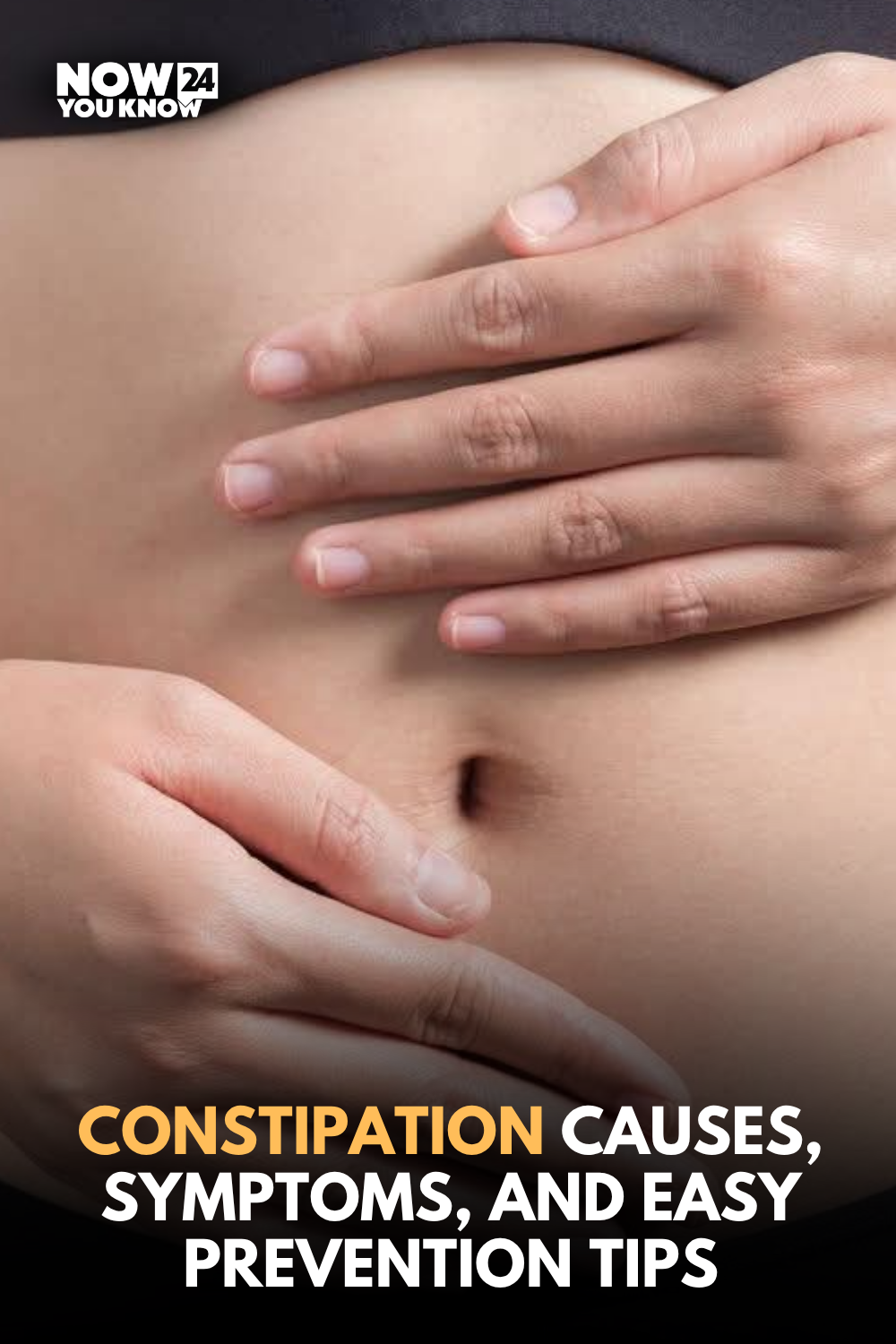

Constipation is a common digestive issue that affects millions of people, especially as they get older. While many assume it simply means not having regular bowel movements, constipation can show up in several different ways. Understanding the signs, causes, and prevention strategies can help keep your digestive system healthy and reduce the risk of long-term problems.
What Is Constipation?
Constipation doesn’t just mean going to the bathroom less often. You may be considered constipated if you experience one or more of these symptoms:
- Fewer than three bowel movements per week
- Straining during bowel movements
- Hard, dry, or pebble-like stools
- A feeling that you haven’t completely emptied your bowels
If left untreated, constipation can also lead to bloating, abdominal discomfort, excessive gas, hemorrhoids, anal fissures, or, in severe cases, rectal prolapse.
Common Causes of Constipation
Constipation can develop for many reasons, ranging from everyday habits to underlying medical conditions.
1. Slow Digestion
Sometimes stool moves too slowly through the digestive tract. This may be caused by:
- A low-fiber diet
- Not drinking enough water
- Certain medications, including painkillers and antidepressants
- Intestinal blockages or other digestive disorders
2. Nerve Problems
Conditions that affect the nervous system can interfere with the signals that help move stool through the intestines. Examples include Parkinson’s disease and multiple sclerosis.
3. Pelvic Floor Dysfunction
The muscles that help you pass stool must work together properly. Weakness or poor coordination in these muscles can make bowel movements difficult.
How to Prevent Constipation
Many cases of mild constipation can be improved with simple lifestyle changes.
Eat More Fiber
Fiber helps add bulk to stool and keeps it moving through your digestive system. Good sources include:
- Fruits
- Vegetables
- Whole grains
- Beans and legumes
If you’re sensitive to certain fruits, you may want to limit high-fructose options like apples, pears, and watermelon if they trigger bloating.
Stay Active
Regular physical activity stimulates your digestive tract and helps keep bowel movements regular. Even daily walks can make a difference.
Drink Plenty of Water
Aim for around eight glasses of water per day. Staying hydrated softens stool, making it easier to pass. Limiting excessive caffeine may also help since it can contribute to dehydration.
Don’t Ignore the Urge
When your body signals that it’s time for a bowel movement, try not to delay. Waiting too long can make stools harder and more difficult to pass.
When Should You See a Doctor?
Occasional constipation is common, but ongoing symptoms shouldn’t be ignored. Speak with a healthcare provider if:
- Lifestyle changes don’t improve your symptoms.
- Constipation lasts for several weeks.
- You notice blood in your stool.
- You experience unexplained weight loss.
- You have severe abdominal pain.
- Your stools become unusually thin and remain that way.
Chronic constipation may require additional evaluation and treatment, including physical therapy, medication, or testing to identify an underlying cause.
The Bottom Line
Constipation is more than just an occasional inconvenience. Paying attention to your bowel habits, eating a fiber-rich diet, staying hydrated, exercising regularly, and responding to your body’s natural urges can go a long way toward preventing digestive problems. If constipation becomes persistent or is accompanied by concerning symptoms, don’t hesitate to seek medical advice to rule out more serious conditions and find the right treatment.