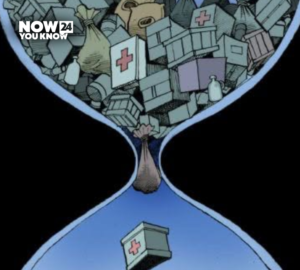

From the outside, someone with high-functioning depression may appear to have everything under control. They go to work, take care of their family, meet deadlines, and keep up with daily responsibilities. But beneath that outward success, they may be struggling with persistent sadness, exhaustion, and emotional pain.
Although high-functioning depression isn’t an official medical diagnosis, it’s a term often used to describe people who experience symptoms of depression while continuing to function in everyday life. They may feel hopeless, lose interest in activities they once enjoyed, struggle with concentration, or experience changes in sleep and appetite, yet still manage to keep going.
The biggest difference from major depression is that daily tasks still get done. However, they often require far more emotional and physical energy than most people realize. Simple chores like doing laundry, going to work, or attending social events can feel overwhelming, even if no one notices the internal struggle.
There are several reasons why someone may experience this type of depression. Genetics, hormone imbalances, stressful life events, or ongoing emotional strain can all play a role. Some people have milder but long-lasting symptoms, while others become skilled at masking their emotions, making it difficult for friends, family, and even themselves to recognize the problem.
In some cases, the signs are simply hidden from public view. A person may excel professionally while spending weekends isolated in bed, or appear cheerful on social media while privately feeling empty and emotionally drained. Their outward success doesn’t reflect how much effort it takes just to get through each day.
Without treatment, depression can gradually worsen or lead to emotional burnout. That’s why it’s important not to dismiss symptoms simply because someone appears to be functioning well. Therapy, healthy lifestyle habits, strong social support, and medication when appropriate can all be effective treatments.
If you constantly feel like you’re just surviving despite appearing “fine” to everyone else, you’re not alone. Seeking help doesn’t mean you’ve failed. It means you’re taking an important step toward feeling better and improving your overall quality of life.