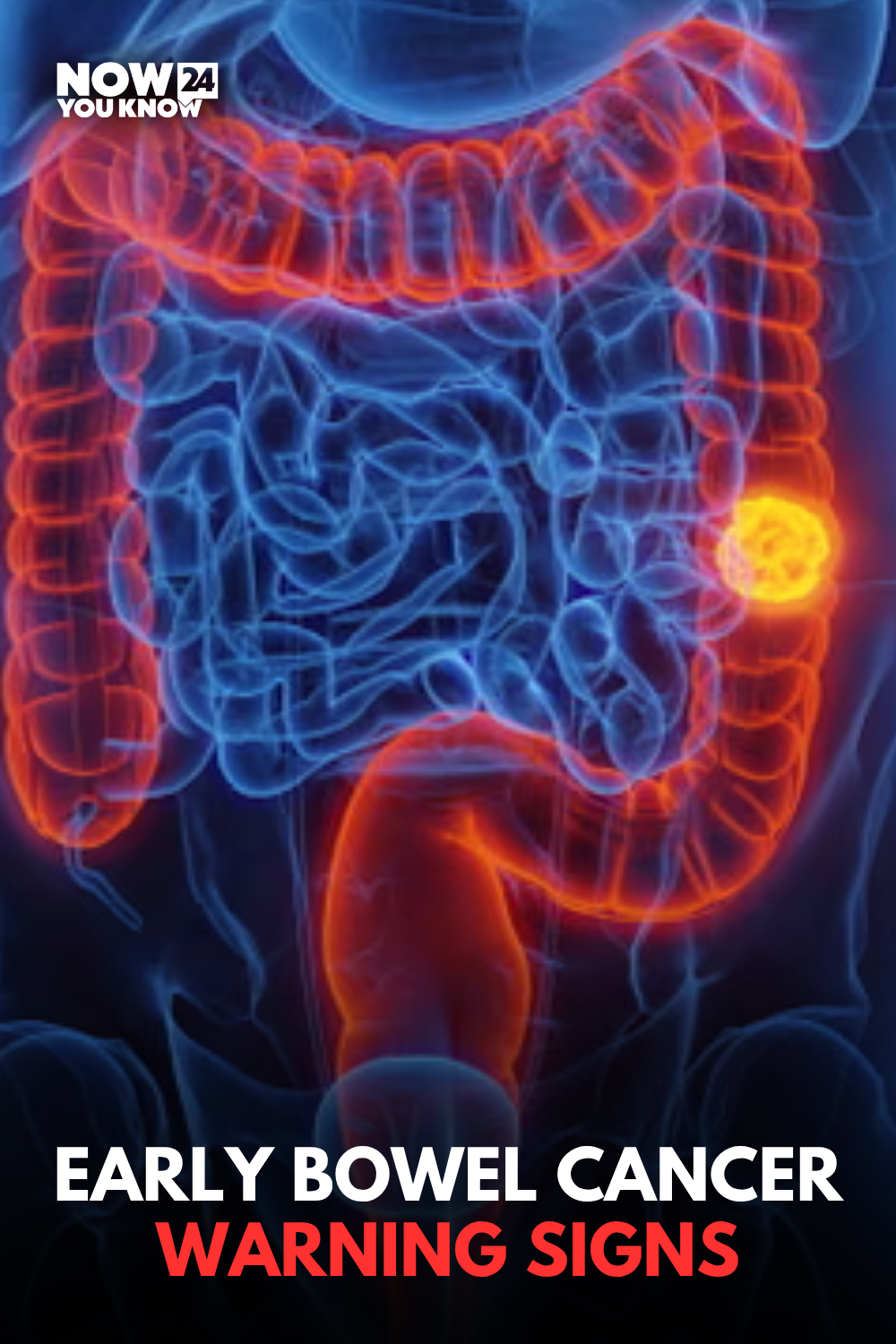

Bowel cancer is increasingly being diagnosed in adults under 50, prompting experts to encourage greater awareness of its early warning signs. While many of these symptoms can have harmless causes, doctors say they should never be ignored, especially if they persist for several weeks.
To help people recognize potential warning signs, the American College of Surgeons has created a symptom checklist aimed at those under 45, an age group that typically falls below routine screening guidelines in many countries. The goal is to help people have informed conversations with their healthcare provider if symptoms develop.
Some of the most common warning signs involve changes in bowel habits, including persistent diarrhea or constipation, narrow or ribbon-like stools, feeling that the bowel doesn’t fully empty, or ongoing rectal discomfort. Blood in the stool, whether bright red or dark and tarry, should also be evaluated by a healthcare professional as soon as possible.
The checklist also highlights symptoms that may not seem directly related to the digestive system, such as unexplained weight loss, ongoing fatigue, weakness, loss of appetite, nausea, or vomiting. These symptoms can have many different causes, but when they occur alongside bowel changes, they deserve prompt medical attention.
Doctors also recommend discussing your family history with your healthcare provider. A family history of bowel cancer, colon polyps, or inflammatory bowel diseases such as Crohn’s disease or ulcerative colitis may increase your risk and could influence when screening should begin.
According to health experts, early detection is one of the most important factors in successful treatment. Many bowel cancers are highly treatable when found early, making it essential not to ignore symptoms that last for three weeks or longer.
It’s important to remember that these symptoms do not automatically mean you have bowel cancer. They are often caused by less serious conditions, such as hemorrhoids, infections, or digestive disorders. However, if symptoms persist, worsen, or include black stools, significant rectal bleeding, or unexplained weight loss, seeking medical advice promptly is the safest course of action.