



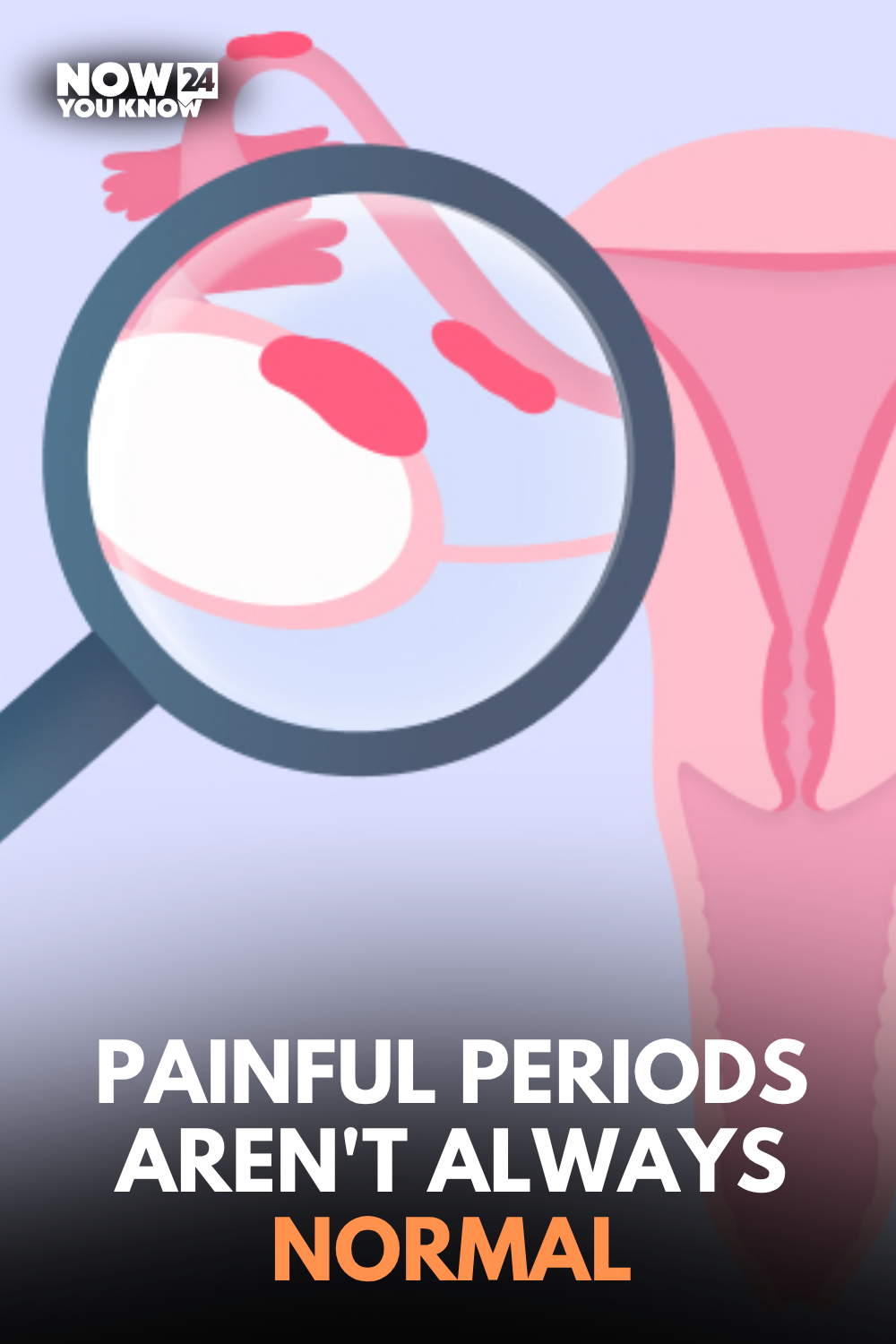

For many women, painful periods are dismissed as something they simply have to live with. But while mild menstrual cramps are common, severe pain that disrupts daily life isn’t considered normal. In some cases, it may be a sign of endometriosis, a chronic condition that affects an estimated 1 in 10 women of reproductive age.
Endometriosis occurs when tissue similar to the lining of the uterus grows outside the uterus, often affecting the ovaries, fallopian tubes, pelvic lining, or nearby organs. Each month, this tissue responds to hormonal changes just like the uterine lining, but because it has no way to leave the body, it can trigger inflammation, scar tissue, and ongoing pain.
Symptoms vary from person to person, but some of the most common include painful periods, chronic pelvic pain, pain during or after sex, heavy or irregular bleeding, bloating, fatigue, painful bowel movements during menstruation, and difficulty becoming pregnant. Because these symptoms overlap with several other conditions, many women experience years of delays before receiving an accurate diagnosis.
One of the biggest challenges is that endometriosis cannot usually be confirmed through a routine ultrasound alone. In many cases, doctors rely on a combination of medical history, physical examination, imaging, and, when appropriate, a minimally invasive surgical procedure called laparoscopy, which remains the gold standard for confirming the diagnosis.
Living with endometriosis can affect far more than physical health. Chronic pain and fatigue may interfere with work, relationships, exercise, and everyday activities. Research has also shown that women with endometriosis are more likely to experience anxiety and depression, highlighting the importance of addressing both physical and emotional well-being as part of treatment.
Although endometriosis is associated with infertility, it does not mean pregnancy is impossible. Many women conceive naturally, while others benefit from fertility treatments or surgery to remove endometriosis tissue and improve reproductive health. Treatment plans are highly individualized and depend on symptoms, age, and future pregnancy goals.
There is currently no cure for endometriosis, but several treatments can help manage symptoms. Options may include anti-inflammatory medications, hormonal therapies that reduce menstrual cycles, and minimally invasive excision surgery, which removes endometriosis tissue rather than simply destroying its surface. For many women with moderate to severe disease, surgery performed by an experienced specialist can provide significant symptom relief.
If your periods regularly leave you unable to work, attend school, or enjoy daily life, it’s worth speaking with a healthcare professional. Persistent pelvic pain should never be ignored or accepted as “just part of being a woman.” Early evaluation and appropriate treatment can improve quality of life and help many women regain control of their health.