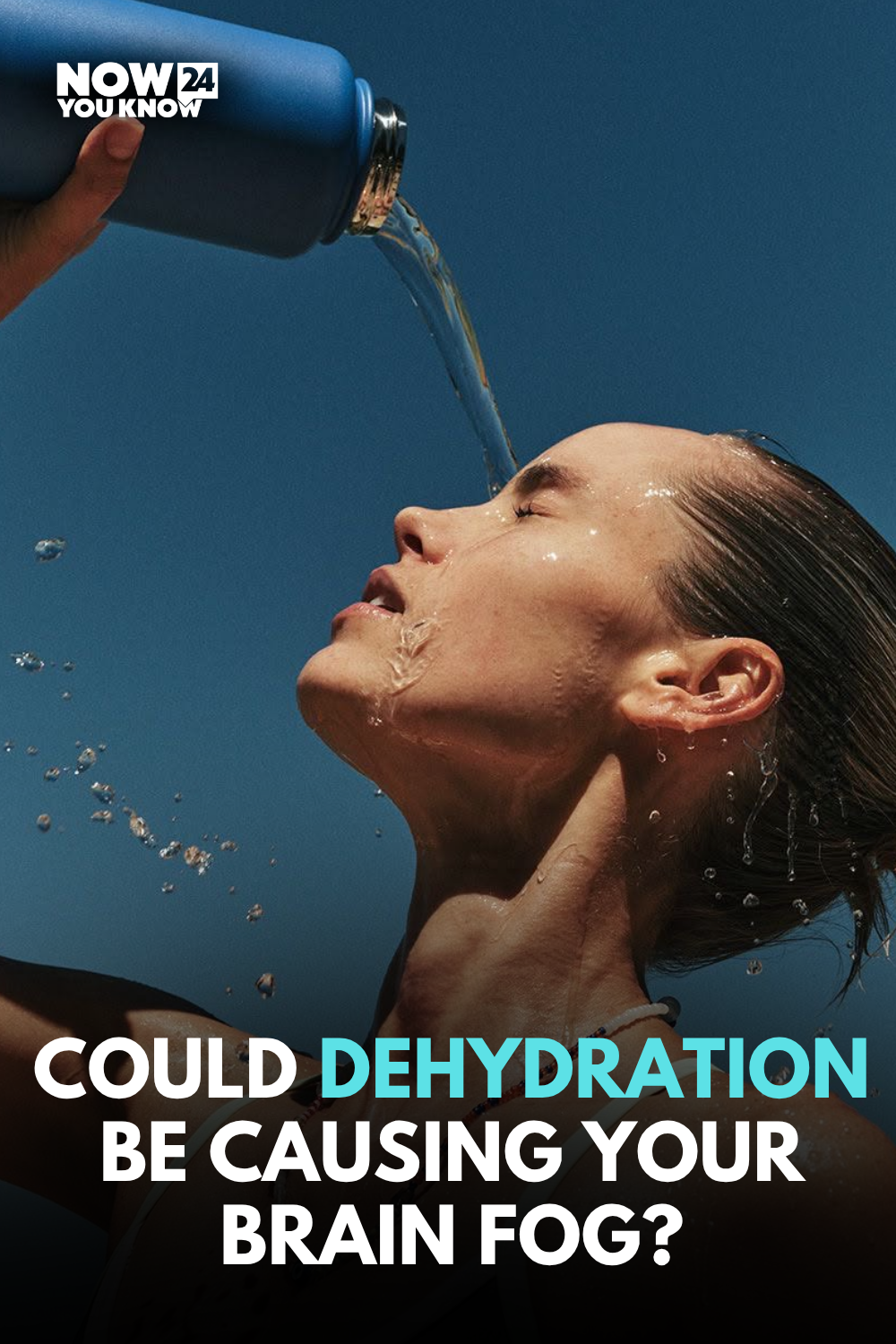

Most people know that staying hydrated is important for physical health, but many don’t realize that even mild dehydration can affect the brain. From trouble concentrating to slower thinking and mood changes, not drinking enough fluids may impact how well your mind performs throughout the day.
The human brain is made up of about 75% water, and every brain cell depends on adequate hydration to function properly. When your body loses more water than it takes in, brain cells can become less efficient, forcing the brain to work harder during tasks that require focus, memory, and decision-making. This extra effort may leave you feeling mentally drained, even after simple activities.
Research suggests that losing as little as 2% of your body weight through dehydration can reduce attention, impair short-term memory, and make complex thinking more difficult. You may notice symptoms such as brain fog, slower reaction times, headaches, irritability, or difficulty staying focused. These effects are often temporary and can improve once fluids are replaced.
Older adults appear to be especially vulnerable. As we age, the body’s natural thirst response becomes weaker, making dehydration easier to overlook. Studies have found that dehydration in older adults is associated with poorer performance on tasks involving attention and processing speed, and some research suggests it may contribute to faster cognitive decline in people who already have dementia. Scientists are still investigating whether dehydration plays a direct role or is simply linked to these conditions.
Women may also experience stronger cognitive effects from dehydration than men, according to several studies. Differences in body composition and total body water may partly explain why even mild dehydration can have a greater impact on concentration and mental performance in women.
Fortunately, preventing dehydration is usually straightforward. Most healthy adults can stay hydrated by drinking fluids consistently throughout the day instead of waiting until they feel thirsty. Water is the best choice, but foods with a high water content, such as watermelon, cucumbers, oranges, strawberries, tomatoes, and lettuce, also contribute to daily hydration.
It’s also important not to overdo it. Drinking excessive amounts of water in a short period can dilute sodium levels in the blood, a condition known as hyponatremia, which can also affect brain function. Balance is key, and individual fluid needs vary depending on age, activity level, climate, and certain medical conditions.
If you’ve been feeling unusually tired, forgetful, or unable to concentrate, dehydration may be one possible factor. Making hydration part of your daily routine, along with eating a balanced diet and staying physically active, can help support both your body and your brain. If symptoms persist despite staying hydrated, it’s important to consult a healthcare professional to rule out other underlying causes.