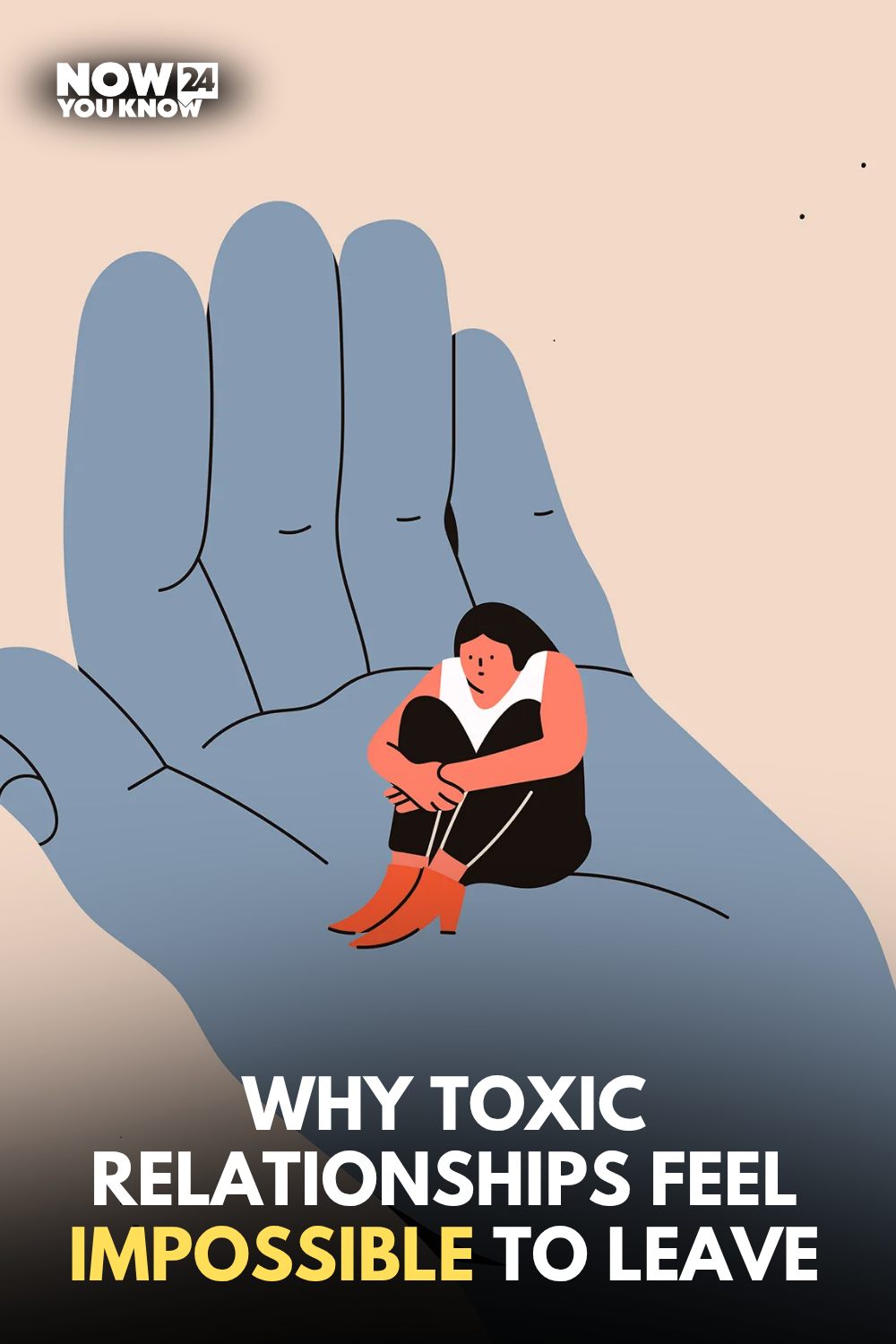

Have you ever wondered why some people stay in relationships that make them unhappy, even when they know they’re being hurt? While every relationship is unique, psychologists say one powerful reason may be something called intermittent reinforcement. This psychological pattern can make unhealthy relationships feel incredibly difficult to leave, even when the problems are obvious.
Intermittent reinforcement happens when affection, attention, or kindness is given inconsistently. One day, a partner may be loving, attentive, and deeply connected. The next, they may become distant, cold, or emotionally unavailable. Because these positive moments happen unpredictably, the brain begins to anticipate that another good moment is always just around the corner, making it difficult to walk away.
Researchers have long studied this concept in behavioral psychology. Rewards that arrive at random intervals tend to create stronger, more persistent behavior than rewards that are predictable. It’s the same principle behind gambling, where occasional wins encourage people to keep playing despite frequent losses. In relationships, those rare moments of affection can create a similar cycle of hope and disappointment.
Over time, this emotional unpredictability may lead someone to focus more on earning their partner’s approval than on their own well-being. They may change their behavior, ignore their own needs, or constantly search for the “right” way to restore the closeness they experienced before. As the relationship becomes centered on chasing brief moments of connection, personal boundaries can gradually disappear.
Not every relationship that experiences ups and downs involves manipulation or abuse. Stress, mental health challenges, communication problems, or attachment styles can all contribute to inconsistent behavior. However, when emotional warmth is repeatedly given and withdrawn in a way that creates ongoing confusion, anxiety, or dependence, the relationship can become emotionally unhealthy and may benefit from professional support.
One of the healthiest signs of a secure relationship is consistency. That doesn’t mean partners never disagree or have difficult days. Instead, it means affection, communication, respect, and emotional support remain reasonably reliable over time. Knowing what to expect helps build trust and allows both people to feel emotionally safe.
If you recognize this pattern in your own relationship, it may help to step back and look at the overall picture instead of focusing only on the occasional good moments. Talking with trusted friends, a therapist, or a qualified mental health professional can provide valuable perspective and help you decide what is healthiest for your situation.
Healthy relationships are built on trust, respect, and consistency—not uncertainty. While change is possible when both partners are committed to improving the relationship, lasting emotional security comes from reliable care, honest communication, and mutual respect rather than unpredictable moments of affection.