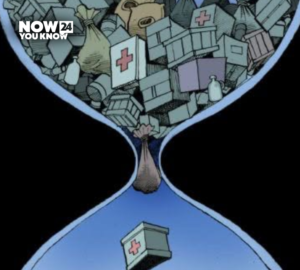

Have you ever spent so much time weighing your options that you ended up making no decision at all? Whether you’re choosing a new job, making a major purchase, or deciding where life should go next, overthinking can leave you feeling stuck. Psychologists call this analysis paralysis, and it’s more common than many people realize.
Analysis paralysis happens when you become so focused on gathering information, considering every possible outcome, or avoiding mistakes that making a decision starts to feel impossible. Instead of creating clarity, endless thinking often creates more confusion, making even simple choices feel overwhelming.
Part of the problem is that our brains aren’t designed to predict every possible outcome. Research suggests that excessive mental effort can actually reduce performance on certain complex tasks. As we try to process more information, our thinking becomes less efficient, increasing stress and making it harder to choose with confidence.
Analysis paralysis is especially common during major life decisions involving careers, finances, relationships, or family. Because these choices can have long-term consequences, it’s natural to want to make the “perfect” decision. Unfortunately, the search for certainty often delays action and increases anxiety.
People who struggle with perfectionism, low self-confidence, or people-pleasing may be more likely to experience analysis paralysis. They often worry about making the wrong choice, disappointing others, or missing a better opportunity. As a result, they continue researching, asking for advice, or mentally replaying every possible scenario without moving forward.
The good news is that analysis paralysis can be managed. One of the first steps is recognizing when you’re caught in a cycle of overthinking. If you notice yourself revisiting the same questions repeatedly without making progress, it may be time to step back and simplify your decision-making process.
Experts recommend focusing on the information that truly matters instead of trying to eliminate every uncertainty. Setting a deadline for making a decision, limiting how many opinions you seek, and accepting that no choice comes with a guarantee can all reduce mental overload. In many situations, making a good decision today is more valuable than endlessly searching for the perfect one.
Life will always involve uncertainty, and every decision carries some level of risk. Rather than aiming for perfection, developing confidence in your ability to adapt can make decision-making much less stressful. Sometimes the greatest obstacle isn’t making the wrong choice, but becoming so overwhelmed that you never make one at all.