
Protections Officially End
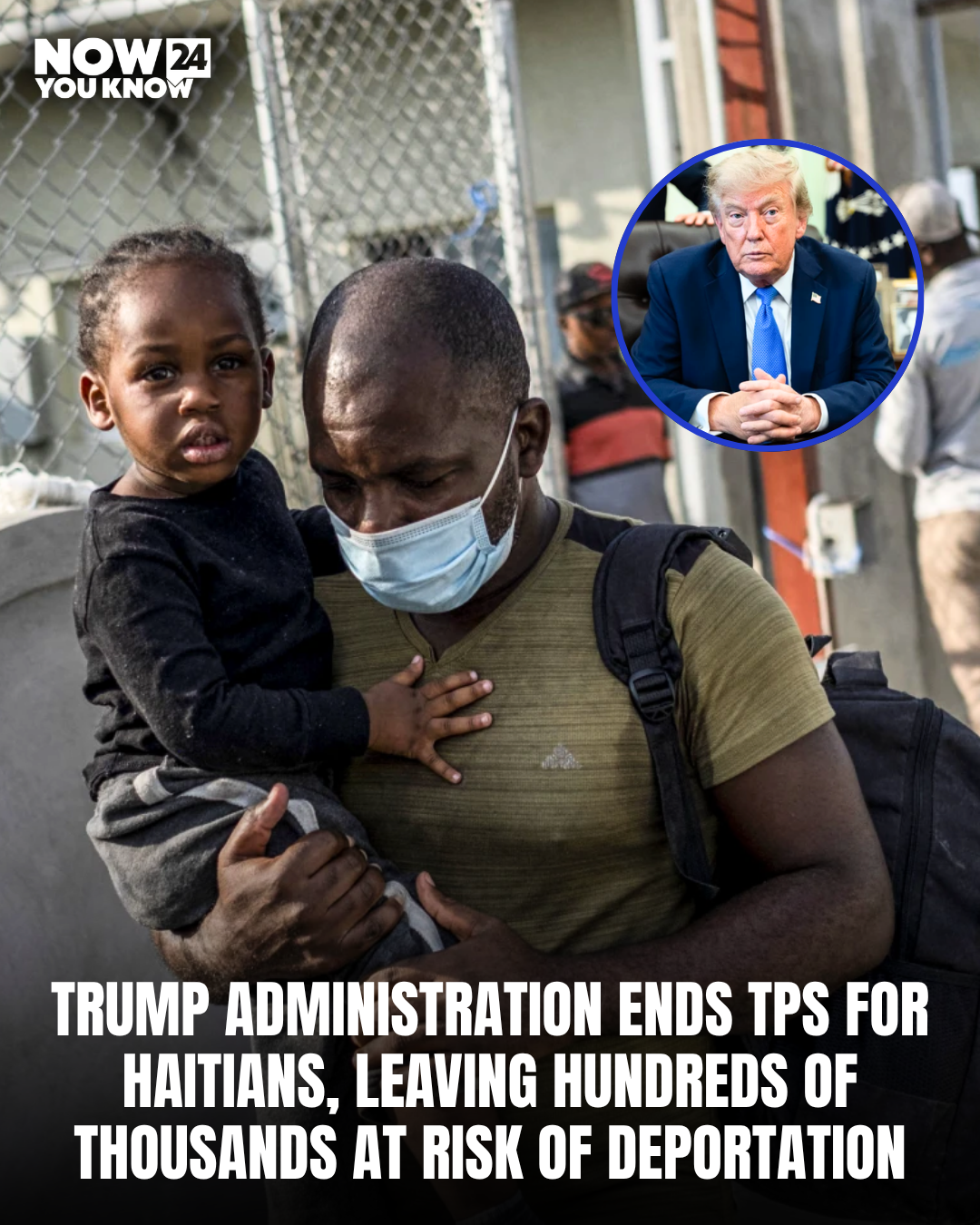
Hundreds of thousands of Haitian nationals living in the United States are now at risk of deportation after the Trump administration officially ended Temporary Protected Status (TPS) for Haiti.
The change follows a series of court decisions, including a U.S. Supreme Court ruling that allowed the administration to move forward with ending the humanitarian protections. A federal judge later confirmed there was no longer a legal barrier preventing the policy from taking effect.
Administration Signals Increased Enforcement
Administration officials have indicated that immigration enforcement will now focus on individuals who no longer have legal authorization to remain in the country.
Officials have urged affected migrants to leave voluntarily if they do not qualify for another form of legal immigration relief, warning that those who remain could face arrest and removal proceedings.
What Is Temporary Protected Status?
Temporary Protected Status (TPS) is a humanitarian program created by Congress in 1990. It allows people already living in the United States to remain and work legally when conditions in their home countries, such as armed conflict, natural disasters, or other extraordinary circumstances, make returning unsafe.
Many Haitians have lived and worked in the U.S. under TPS for years, contributing to industries including healthcare, construction, and elder care.
Concerns Over Conditions in Haiti
Immigration advocates argue that Haiti remains in the grip of severe instability, including widespread gang violence, political turmoil, kidnappings, and the breakdown of essential public services.
The U.S. State Department continues to advise Americans not to travel to Haiti because of the security situation, leading critics to question the decision to end humanitarian protections for Haitian migrants.
Limited Options for Many Families
Some former TPS holders may qualify for other forms of immigration relief, such as asylum or permanent residency, but many do not have an immediate legal pathway to remain in the United States.
Advocacy groups warn that families now face difficult decisions as deportation proceedings increase and immigration enforcement expands.
Debate Continues in Washington
Supporters of extending TPS are urging Congress to pass legislation that would allow eligible Haitians to remain in the country legally. Business groups have also expressed concern that ending work authorization for large numbers of workers could worsen labor shortages in several industries.
The future of TPS remains a major point of debate as lawmakers continue to weigh immigration policy against humanitarian and economic considerations.