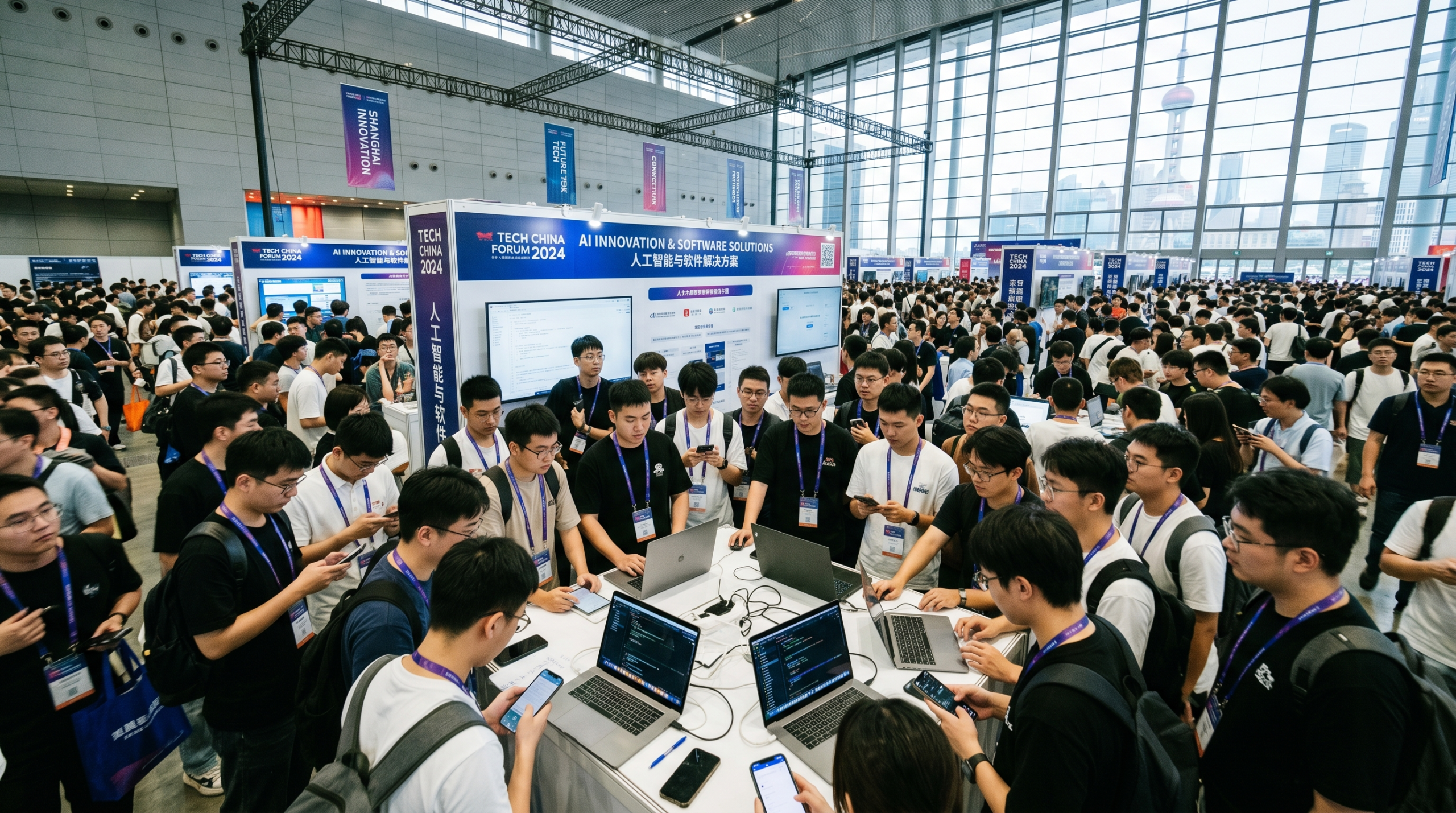

A technological revolution is sweeping across China, fundamentally changing how millions of people approach work, investment, and digital automation. At the center of this transformation is OpenClaw, an AI agent platform whose users have affectionately nicknamed their digital assistants ‘lobsters’ – autonomous programs capable of browsing websites, executing trades, posting content, and performing countless other digital tasks without human intervention.
The OpenClaw phenomenon represents far more than a technological curiosity. It has evolved into a full-scale economic and social movement that began gaining serious momentum earlier this year when the platform transitioned from being a specialized tool for engineers to a mainstream application accessible to everyday users.
**The Rise of Digital Workers**
OpenClaw agents function as sophisticated digital employees that can navigate the internet, click through interfaces, respond to messages, execute stock trades, and manage social media accounts. These capabilities have transformed ordinary citizens into what many describe as ‘accidental CEOs’ – individuals suddenly managing teams of AI workers that operate around the clock.
The platform’s popularity has reached such heights that installation events are drawing massive crowds across major Chinese cities. At the recent Global Developer Pioneers Summit in Shanghai, attendees lined up for hours to get their own OpenClaw installations, with local experts charging premium fees for setup assistance.
**A New Side-Hustle Economy**
The OpenClaw boom has created an entirely new gig economy. Entrepreneurs are charging up to 299 yuan (approximately $44) to help others configure and deploy their lobster agents. This seemingly modest fee has become a lucrative business model as demand continues to surge.
Beyond installation services, users are deploying their lobsters in increasingly creative ways. Many have turned to the stock market, programming their agents to analyze trends, execute trades, and manage investment portfolios. While some hope to strike it rich through automated trading, the practice raises questions about market stability and regulatory oversight.
**Government Support and Regional Competition**
Recognizing the economic potential of this AI revolution, local governments across China have launched aggressive incentive programs to attract OpenClaw developers and startups. Districts in tech hubs like Shenzhen and Wuxi are offering remarkable benefits including free housing, rent-free office spaces, and direct subsidies reaching up to $720,000 for qualifying businesses.
This government backing signals China’s commitment to maintaining leadership in practical AI applications, moving beyond research and development into real-world deployment at scale.
**Community Building and Cultural Impact**
The OpenClaw movement has spawned a vibrant ecosystem of user communities, specialized meetups, and online forums where enthusiasts share tips, troubleshoot problems, and showcase their agents’ capabilities. The phrase ‘raising the lobster’ has become a trending topic on Chinese social media platforms, reflecting the cultural integration of these AI tools into daily life.
Users have developed creative applications ranging from cyber pets and automated blind date arrangements to complex business automation systems. Some companies report creating dedicated ‘human-only’ communication channels on platforms like Slack to maintain spaces free from their increasingly active AI employees.
**Challenges and Growing Pains**
Despite the enthusiasm, the rapid adoption of OpenClaw has not been without complications. Security researchers have raised alarms about improperly configured agents that could expose sensitive personal or corporate data. Users frequently share stories of ‘runaway lobsters’ – agents that take unexpected actions or exceed their intended boundaries.
The stress of managing these unpredictable digital workers has created another unexpected market opportunity. Some users, overwhelmed by their AI agents’ activities, are now paying specialists to help them properly uninstall or constrain their lobsters.
Chinese technology companies are racing to address these concerns, developing more user-friendly interfaces and implementing stronger control mechanisms to prevent agent misbehavior while maintaining the platform’s powerful capabilities.
**Global Implications**
What’s unfolding in China offers a preview of how AI agent technology might transform work and daily life globally. The rapid, somewhat chaotic adoption demonstrates both the immense potential and inherent risks of deploying powerful AI tools at scale.
The OpenClaw phenomenon illustrates how quickly AI can transition from laboratory curiosity to mainstream tool when the right conditions align – accessible technology, government support, entrepreneurial energy, and a population willing to experiment.
As millions of Chinese users continue to explore the possibilities of their digital lobsters, they’re not just adopting new technology; they’re pioneering new forms of human-AI collaboration that could reshape the global economy. The speed and scale of this transformation suggest that the age of AI agents has arrived faster than many anticipated, bringing with it unprecedented opportunities and challenges that societies worldwide will soon need to address.