
Progressive Candidate Secures Narrow Victory
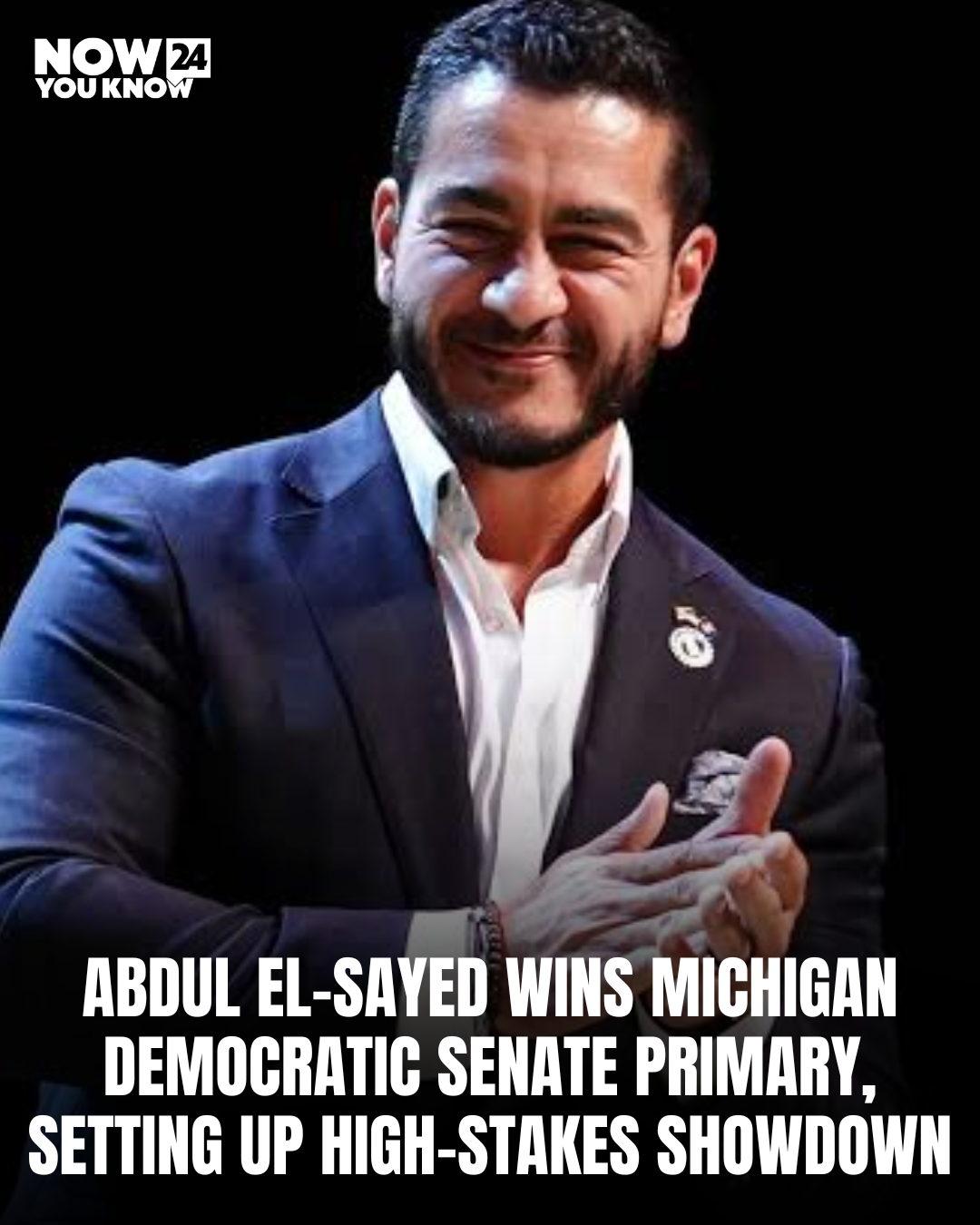
Abdul El-Sayed has won the Democratic nomination for Michigan’s open U.S. Senate seat after a closely contested primary against Rep. Haley Stevens. With nearly all votes counted, El-Sayed secured a narrow victory by roughly one percentage point, setting up a pivotal general election race.
Primary Highlighted Democratic Divisions
The contest drew national attention as it reflected the ongoing debate within the Democratic Party between its progressive and establishment wings. El-Sayed campaigned on progressive priorities, while Stevens received support from several prominent Democratic leaders and major outside political groups.
General Election Against Mike Rogers
El-Sayed will now face Republican nominee Mike Rogers, who advanced without a contested primary. Michigan is expected to be one of the country’s most competitive Senate races, with both parties viewing the seat as critical to the balance of power in the U.S. Senate.
Campaign Focused on Key Issues
Throughout the campaign, El-Sayed emphasized healthcare reform, reducing the influence of money in politics, and lowering costs for working families. Following his victory, his campaign said voters had chosen a grassroots movement over big-money political spending.
Michigan Remains a Key Battleground
Michigan continues to play a major role in national elections, with its diverse electorate and closely divided political landscape making statewide races highly competitive. Both Democrats and Republicans are expected to invest heavily in the Senate contest over the coming months.
National Attention Turns to November
The Michigan Senate race is expected to become one of the most closely watched elections of the 2026 midterms. Democrats are hoping to defend the seat as they seek to strengthen their position in Congress, while Republicans view the state as one of their strongest pickup opportunities.
Campaign Enters Its Next Phase
With the primary now decided, both candidates are expected to shift their focus toward the general election, where issues including the economy, healthcare, border security, and national politics are likely to dominate the campaign.