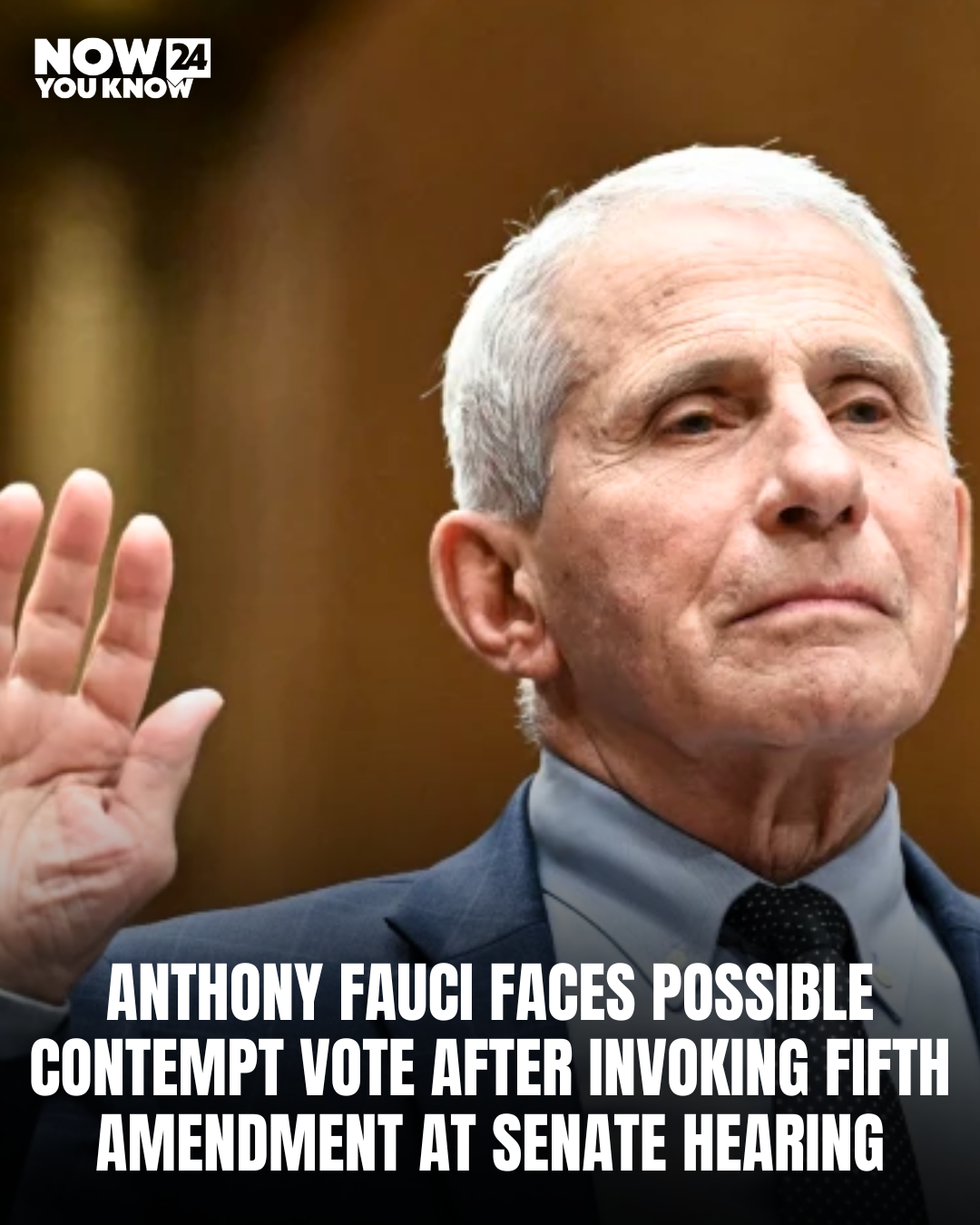

Former White House chief medical adviser Dr. Anthony Fauci could face a contempt of Congress vote after repeatedly invoking his Fifth Amendment right during a tense Senate hearing examining the U.S. response to the COVID-19 pandemic.
The hearing, led by Sen. Rand Paul (R-Ky.), focused on Fauci’s handling of the pandemic, the origins of the coronavirus, and allegations surrounding U.S.-funded research. Fauci, following advice from his attorneys, declined to answer numerous questions by invoking his constitutional right against self-incrimination.
More Than 100 Questions Left Unanswered
During the hearing before the Senate Committee on Homeland Security and Governmental Affairs, Fauci invoked the Fifth Amendment more than 100 times.
Afterward, Paul announced that the committee is expected to vote next week on whether to recommend holding Fauci in criminal contempt of Congress. If approved by the committee, the measure would still require Senate approval before any referral for prosecution could occur.
What Happens Next?
Even if the Senate committee approves the contempt resolution, it faces significant hurdles. The measure would need enough support in the Senate to move forward, making its ultimate passage uncertain.
If Congress were to approve the referral, federal prosecutors would decide whether any criminal action is warranted.
Fifth Amendment Does Not Mean Guilt
Legal experts note that invoking the Fifth Amendment is a constitutional right and does not by itself imply guilt or wrongdoing. It is commonly used by witnesses and defendants when testimony could potentially be used against them in future legal proceedings.
Former President Donald Trump also invoked the Fifth Amendment during a 2022 civil deposition involving the Trump Organization.
Debate Over COVID Origins Continues
Paul has long argued that COVID-19 may have originated from the Wuhan Institute of Virology, while Fauci has consistently denied allegations that he attempted to conceal the virus’s origins or improperly funded research linked to the outbreak.
The scientific debate over the pandemic’s origins remains unresolved. While some U.S. intelligence agencies have assessed that a laboratory incident is plausible, others have favored a natural origin with varying levels of confidence. The World Health Organization has said that available evidence remains inconclusive.
Political Divide on Display
Republican senators questioned Fauci about evolving public health guidance issued during the pandemic, while Democratic lawmakers defended his handling of an unprecedented public health crisis and criticized the hearing as politically motivated.
The hearing highlights the continuing political divisions surrounding the government’s pandemic response, years after COVID-19 first emerged.