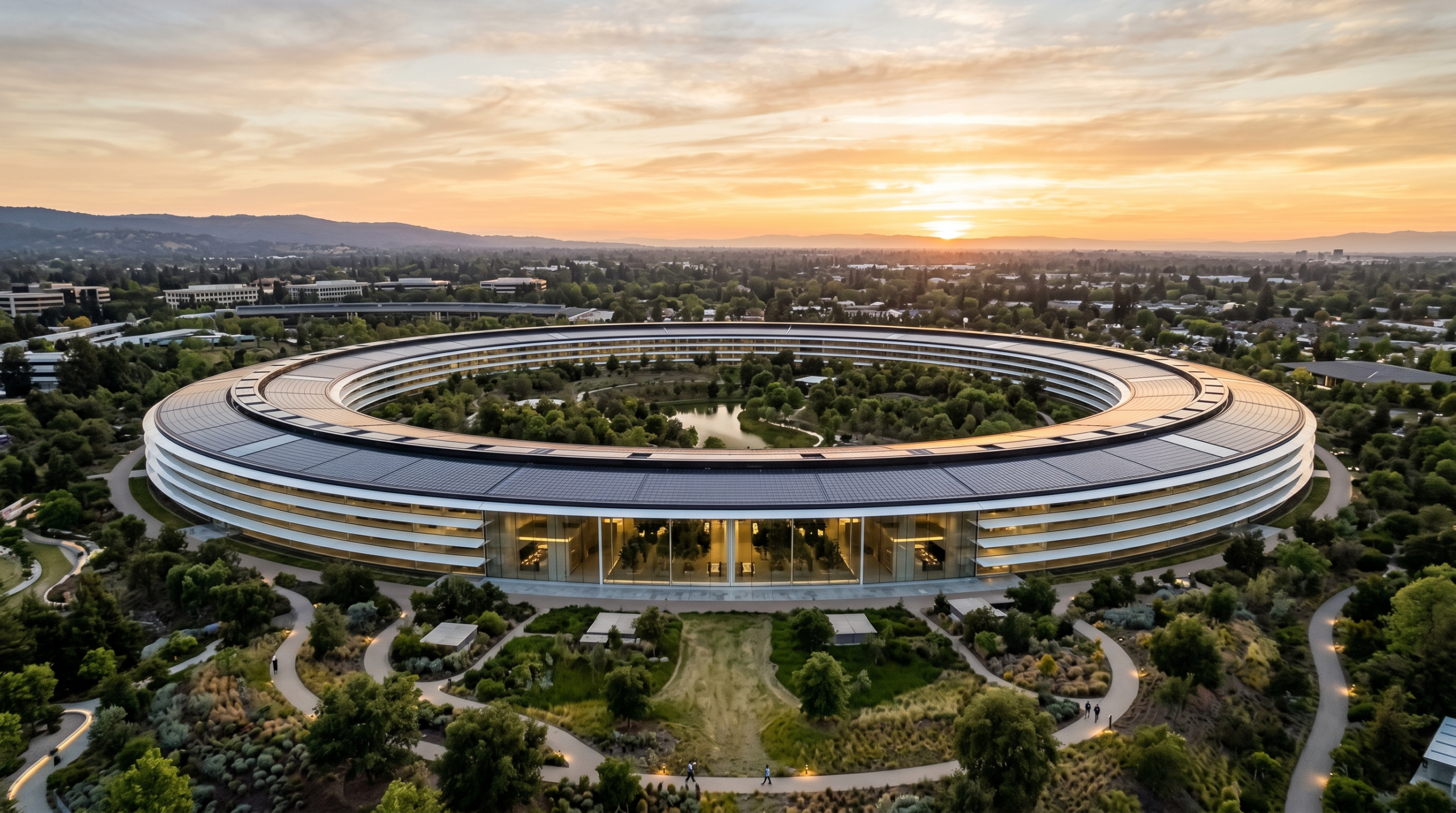

The technology industry is reflecting on a transformative period at Apple as the company prepares for a significant leadership change in September 2026. The announcement that John Ternus, currently senior vice president of hardware engineering, will assume the chief executive role has prompted widespread discussion about the company’s trajectory over the past 15 years.
During the current leadership period that began in 2011, Apple achieved several historic milestones, including becoming the world’s first trillion-dollar company. The company’s stock value increased by more than 2,000 percent during this time, representing one of the most successful corporate growth stories in modern business history.
Industry leaders have offered varied perspectives on this era. Sam Altman, chief executive of OpenAI, expressed gratitude for the contributions made to Apple during this period. Ben Bajarin, chief executive at Creative Strategies, emphasized that beyond financial growth, the preservation of Apple’s core identity and operating culture through a vastly different technological era represented a crucial achievement.
The transition to Ternus has generated discussion about Apple’s future direction. Patrick Moorhead, chief executive of Moor Insights & Strategy, characterized Ternus as representing continuity rather than radical change. He anticipates the new leadership will focus on operational execution, margin management, and incremental product iteration rather than dramatic strategic shifts.
Andrés Avila Páez, cofounder of Arturito AI, highlighted the operational excellence that characterized this era, noting the achievement of manufacturing 200 million devices annually with consistent quality. This operational prowess became a defining characteristic of Apple’s success during the period.
Not all commentary has been uniformly positive. Robert Reich, professor at UC Berkeley and former U.S. Secretary of Labor, raised questions about political contributions and lobbying activities, specifically mentioning a one million dollar contribution to political inauguration events and efforts to secure tariff exemptions.
Joseph Carlson, founder of Qualtrim, defended the innovation record of the past 15 years, listing numerous product launches including the Apple Watch, AirPods, Apple TV, Apple Pay, and Face ID. These products expanded Apple’s ecosystem significantly beyond its traditional computer and phone offerings.
Financial analysts have particularly noted the stock performance during this period. Anthony Pompliano, chief executive of Professional Capital Management, emphasized the 2,000 percent stock increase. Michael Antonelli, a market strategist at Baird, suggested this performance likely created more millionaires among ordinary investors than achieved by most corporate leaders.
Looking forward, some observers see opportunities for new directions under Ternus. Sawyer Merritt, a technology content creator, suggested that Ternus’s engineering background might benefit Apple as it addresses challenges in artificial intelligence development, an area where some believe the company needs to accelerate its efforts.
The leadership transition marks the end of an era that began with considerable skepticism about whether anyone could successfully follow the company’s founding visionary. The record shows that Apple not only survived but thrived, growing from a successful technology company into one of the world’s most valuable corporations.
As September 2026 approaches, the technology industry will be watching closely to see how Ternus navigates the challenges facing Apple, including increased regulatory scrutiny, evolving consumer preferences, and rapidly advancing artificial intelligence technologies.