



New Push for Tougher Sanctions
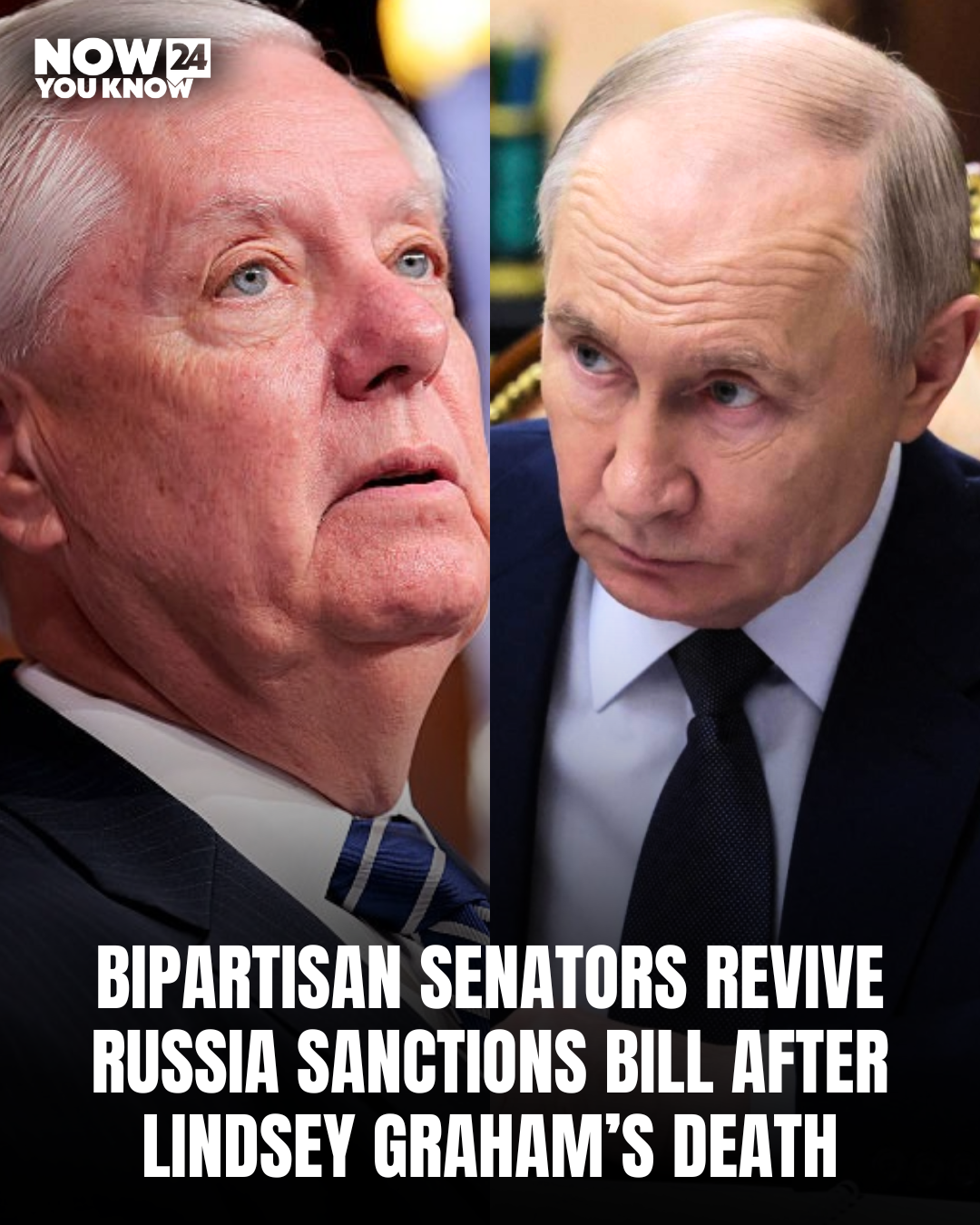
A bipartisan group of U.S. senators has reintroduced legislation that would significantly expand sanctions against Russia, just days after the death of Sen. Lindsey Graham, who had been one of the bill’s leading supporters.
According to lawmakers, the revised proposal reflects discussions held with the Trump administration and includes changes aimed at increasing its chances of gaining broader support in Congress.
What’s Included in the Bill?
The legislation would expand sanctions targeting Russian officials, financial institutions, energy projects, and vessels accused of helping Russia evade existing international restrictions.
It would also give President Donald Trump the authority to temporarily waive certain sanctions if doing so is deemed to be in the U.S. national interest.
New Tariff Proposal
One of the bill’s most notable provisions would allow the United States to impose tariffs of up to 100% on imports from countries that are among the five largest buyers of Russian oil and natural gas, a group that includes China and India.
The revised proposal is less severe than an earlier version of the legislation, which called for blanket tariffs of 500% on countries purchasing Russian energy.
Supporters Say It Targets War Funding
Backers of the measure argue that reducing Russia’s energy revenue would make it more difficult for Moscow to finance its ongoing war in Ukraine. They also hope the legislation will encourage major energy-importing nations to diversify their suppliers and reduce reliance on Russian exports.
Critics, however, have warned that broader sanctions and tariffs could affect global trade and energy markets, particularly if they impact major economies that continue purchasing Russian fuel.
The Road Ahead
The bill must still advance through Congress before it can become law. Lawmakers are expected to debate both its economic impact and its potential role in increasing pressure on Russia as the conflict in Ukraine continues.
Whether the legislation gains enough support to reach President Trump’s desk remains uncertain, but it signals continued bipartisan interest in maintaining economic pressure on Moscow.