




New U.S. Tariffs Raise Tensions
Canada is once again facing growing trade tensions with the United States after President Donald Trump announced a new round of tariffs on a wide range of Canadian products. The new 50% tariffs target goods including hockey sticks, candles, synthetic wigs, and other consumer products, with the measures set to take effect on August 19.
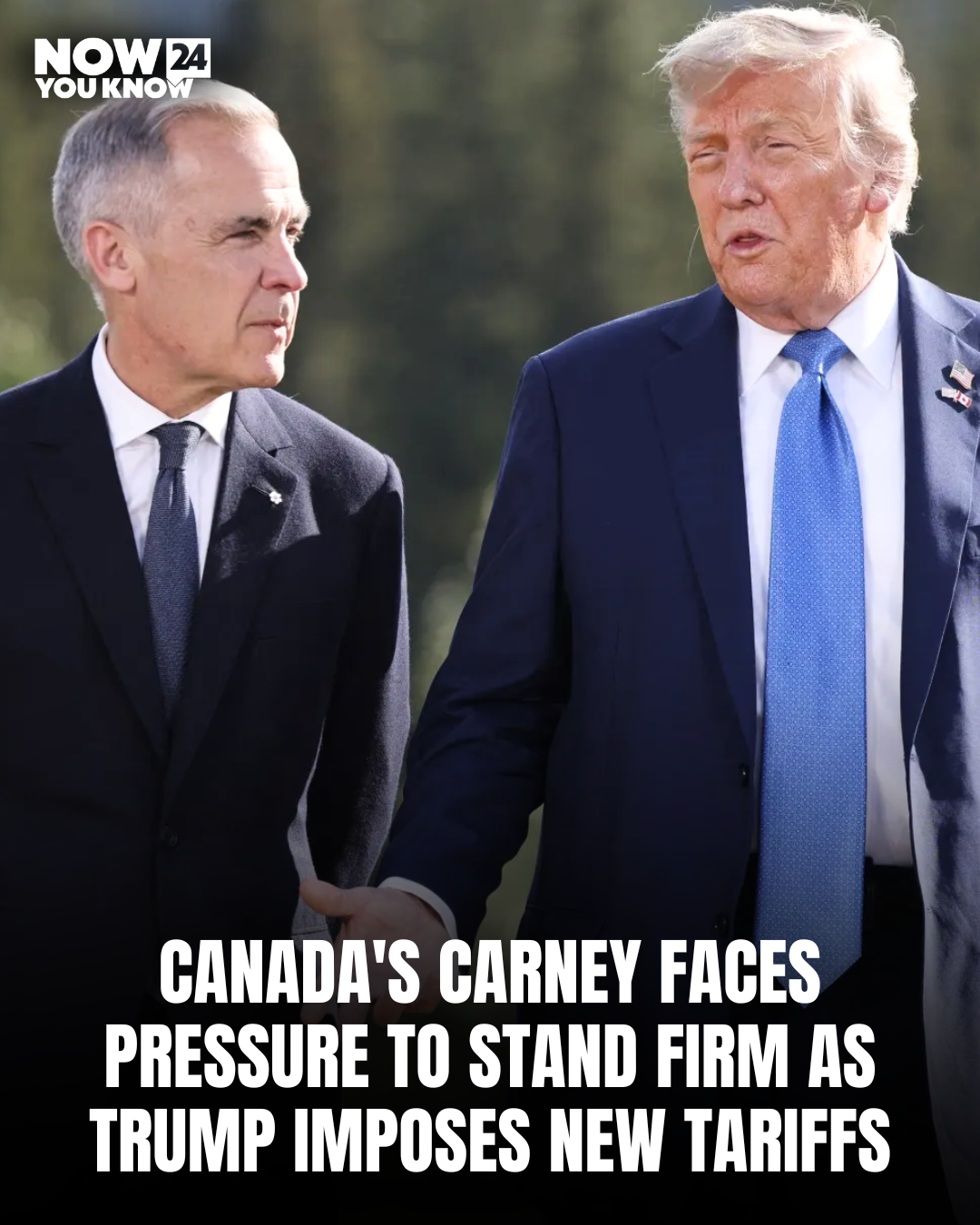
The announcement came just one day after Trump and Canadian Prime Minister Mark Carney were seen together at the FIFA World Cup final, where the two leaders appeared friendly despite ongoing trade negotiations.
Pressure Builds on Prime Minister Carney
The latest tariffs have increased pressure on Carney, who has repeatedly stated that Canada will not accept a bad trade deal simply to reach an agreement with Washington.
Many Canadians continue to support a firm response. Polls suggest there is widespread frustration over the Trump administration’s trade policies, with many believing Canada should not back down under U.S. pressure.
Trade Talks Continue Despite New Dispute
The timing of the tariffs has surprised many because Canada and the United States have recently resumed negotiations over the future of the U.S.-Mexico-Canada Agreement (USMCA).
Trade discussions have continued in recent weeks, and both countries have expressed interest in reaching a long-term agreement. However, U.S. officials have also complained about Canada’s retaliatory tariffs on American products, particularly in the auto, dairy, and alcohol industries.
Economic Impact Could Grow
The new tariffs add to existing duties already affecting key industries. Canadian exports of steel, aluminum, copper, lumber, and automotive products are already facing significant U.S. tariffs, while Canada has responded with its own tariffs on selected American goods.
Business leaders warn that the latest measures could create additional uncertainty for manufacturers, exporters, and consumers on both sides of the border.
Canada Weighs Its Next Move
Carney confirmed that he has spoken with Trump and said both leaders agreed to continue intensive trade discussions before the tariffs take effect. He also said Canada is considering all possible responses if negotiations fail.
The prime minister is expected to work closely with provincial leaders as Canada decides whether to retaliate further or continue pursuing a broader trade agreement. For now, officials say their priority remains securing a stable long-term deal while protecting Canadian industries.