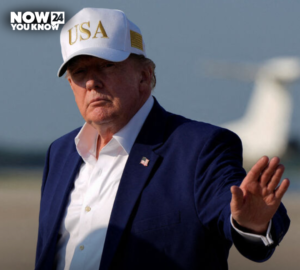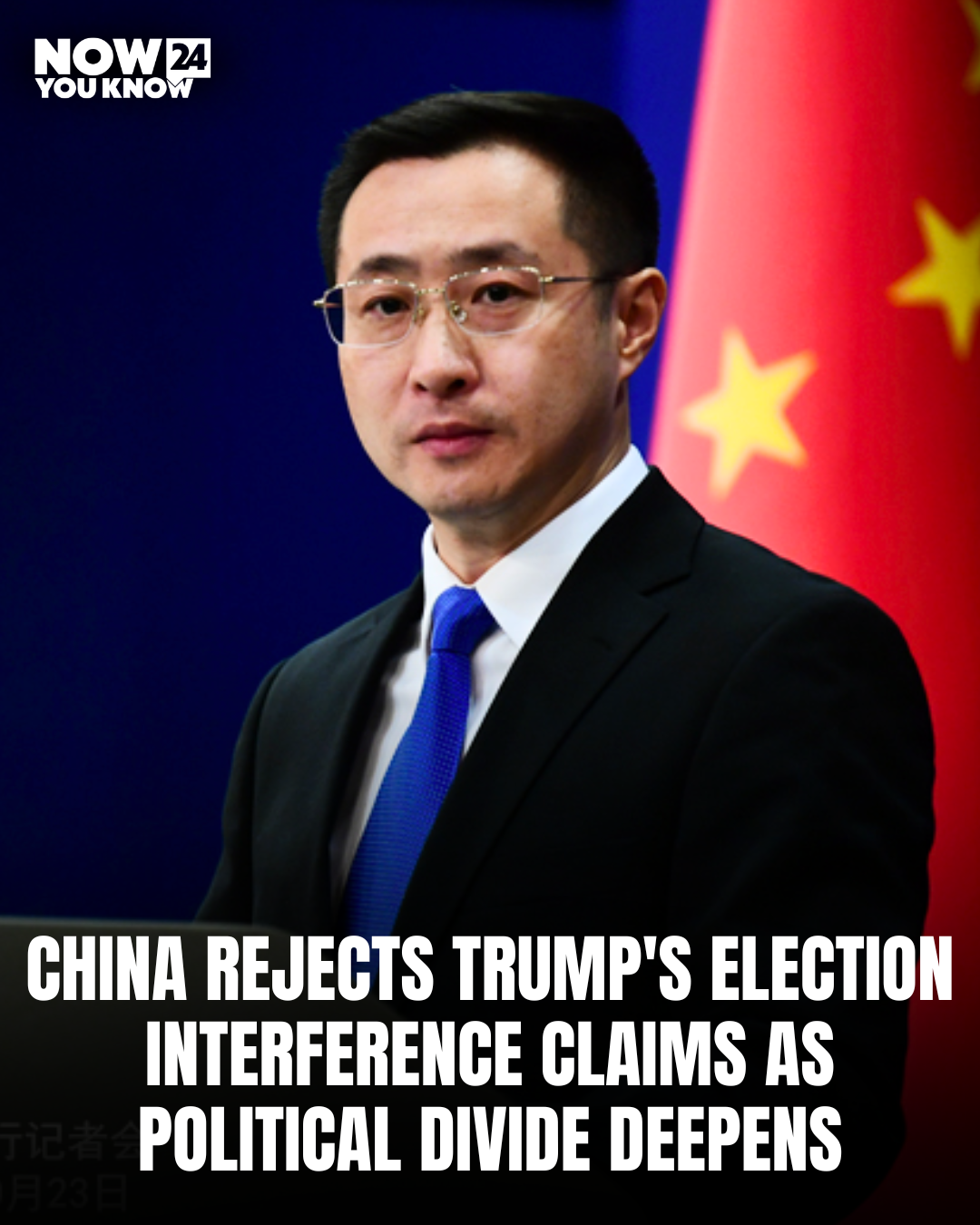

Fresh debate over U.S. election security erupted after President Donald Trump accused China of interfering in the 2020 presidential election, allegations that Beijing has firmly denied. The claims have drawn sharp reactions from both political parties and renewed discussion about proposed election reforms.
China Calls the Allegations ‘Pure Fabrication’
China’s Foreign Ministry dismissed Trump’s accusations, describing them as “pure fabrication” and a “malicious smear campaign.” Officials said Beijing has never interfered in U.S. elections and urged Washington to stop making what they called unfounded accusations.
Trump Pushes for Election Reform
During a televised address, Trump renewed his support for the Save America Act, legislation that would introduce stricter voter identification requirements, require documentary proof of U.S. citizenship for voter registration, and expand federal oversight of voter registration data. Supporters say the bill would strengthen election integrity, while critics argue it could make voting more difficult for some eligible citizens.
Democrats Push Back
Democratic leaders strongly rejected both Trump’s allegations and the proposed legislation. Several lawmakers argued there is no verified evidence that China altered the outcome of the 2020 election and accused Trump of reviving claims that have already been investigated by federal agencies and the courts.
What Intelligence Reports Have Found
A 2021 U.S. Intelligence Community assessment concluded that while foreign governments attempted to influence public opinion during the 2020 election cycle, investigators found no evidence that any foreign actor changed ballots, vote totals, or election results. The assessment also concluded that China did not carry out efforts intended to alter the election outcome, although it monitored developments closely.
Election Security Remains a Key Issue
The debate comes as Congress continues to consider changes to federal election laws ahead of future elections. Election security remains one of the country’s most politically divisive issues, with Republicans generally advocating stricter voting requirements and Democrats emphasizing voter access while supporting existing security measures.