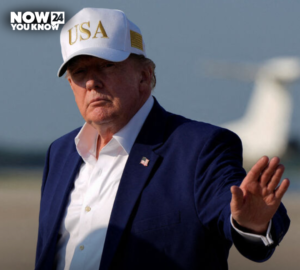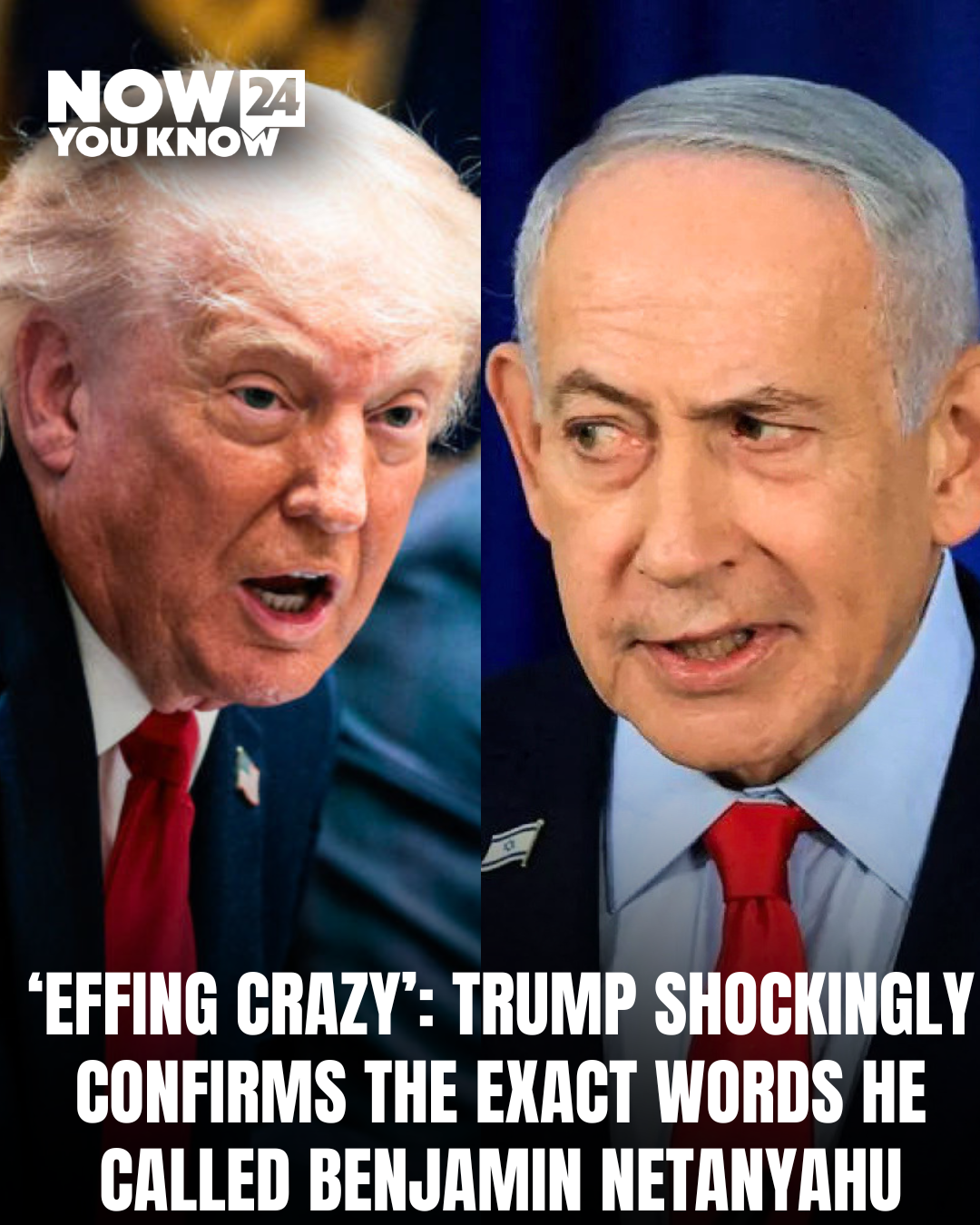

A reported phone call between President Donald Trump and Israeli Prime Minister Benjamin Netanyahu is drawing international attention after claims emerged that Trump sharply criticized Netanyahu over recent military action in Lebanon.
The reported disagreement comes at a sensitive moment as the United States attempts to continue diplomatic talks involving Iran and broader regional ceasefire efforts.
Trump Addressed the Report Publicly
During a podcast interview released Wednesday, Trump appeared to confirm frustration with Netanyahu when asked about reports that he had called the Israeli leader “crazy” during a private conversation.
“I wouldn’t say angry. I was a little bit perturbed,” Trump reportedly said while discussing the ongoing fighting involving Lebanon.
Despite the criticism, Trump also emphasized that he still liked Netanyahu and said, “I work very well with him.”
Iran Talks Could Be Affected
The situation has complicated ongoing diplomatic efforts tied to Iran, including discussions surrounding ceasefire arrangements and the future of Tehran’s nuclear program.
According to reports, Iran reacted negatively to Israel’s military operations in Lebanon and warned that further escalation could disrupt negotiations with Washington.
Analysts say the developments could place additional pressure on already fragile diplomatic talks.
Long History of Tension Between U.S. Presidents and Netanyahu
Political analysts noted that tensions between Netanyahu and American presidents are far from new. Over the years, disagreements involving Israeli policy have reportedly strained relations with presidents including Bill Clinton, Barack Obama and Joe Biden.
Despite those clashes, Netanyahu has historically managed to maintain strong strategic ties with Washington while navigating political disagreements behind the scenes.
Different Priorities Emerging
While both Trump and Netanyahu publicly oppose Iran obtaining nuclear weapons, experts say their broader political goals may not fully align.
Some analysts believe the White House is increasingly focused on avoiding a prolonged regional conflict, while Israel continues aggressive operations targeting Iran-backed groups such as Hezbollah.
One expert described Netanyahu as someone who often “does his own dance” regardless of pressure coming from Washington.
Domestic Political Pressure Growing
The debate also comes as public opinion in the United States appears to be shifting. Recent polling has shown rising criticism of American support for Israel, particularly following ongoing conflicts in the Middle East.
Several conservative political figures have also questioned whether the U.S. has become too closely tied to Israeli military objectives.
Some observers believe Trump may now feel political pressure to create more visible distance between himself and Netanyahu.
Netanyahu Downplays Any Rift
For his part, Netanyahu attempted to dismiss concerns about serious tensions with Trump, describing their disagreements as temporary and normal between close allies.
“Sometimes we have, as in the best of families, tactical disagreements,” Netanyahu reportedly said during a recent interview.
He also suggested that while differences may emerge, the two leaders usually resolve issues quickly and remain close allies overall.
Unclear What Happens Next
Observers say it remains uncertain whether the reported disagreement signals a larger shift in the relationship between Trump and Netanyahu or simply reflects temporary frustration during complicated negotiations.
With Iran diplomacy, regional security and domestic political pressure all involved, many analysts believe future developments could determine whether the alliance faces a more serious test in the months ahead.
One analyst noted that “the president has changed his mind about many people in the past,” suggesting the relationship could still evolve depending on events in the region.