
A New Fan Theory Is Gaining Momentum
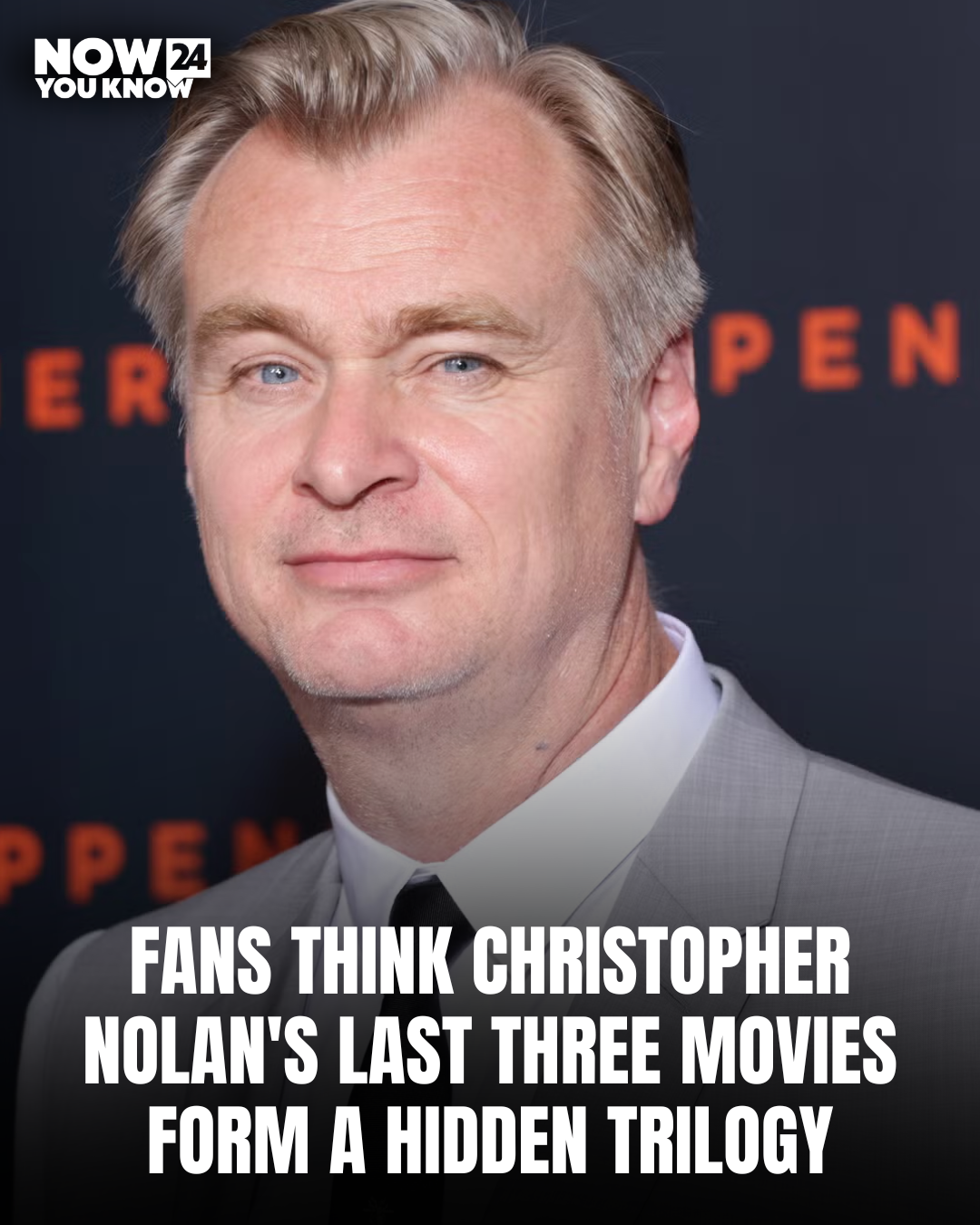
Christopher Nolan’s latest blockbuster, The Odyssey, is inspiring more than praise from critics and moviegoers. Many fans now believe the film completes what they’re calling a “trilogy made in reverse,” linking it thematically with Oppenheimer and Tenet.
Although the three films tell completely different stories and take place across vastly different time periods, viewers argue they explore many of the same ideas about power, consequence, and the passage of time.
Why Fans See a Connection
Supporters of the theory point out that each film centers on a single decision capable of changing history. In The Odyssey, Odysseus wrestles with the consequences of the Trojan Horse strategy. In Oppenheimer, the focus shifts to the creation of the atomic bomb and its lasting moral impact.
Meanwhile, Tenet explores humanity’s struggle to prevent a global catastrophe through its complex story involving time itself. Fans say the three movies feel connected by questions about responsibility, sacrifice, and the unintended consequences of human ambition.
Nolan’s Fascination With Time
Christopher Nolan has long spoken about his interest in time as one of cinema’s most fascinating subjects. From Memento and Interstellar to Dunkirk and Tenet, the director has repeatedly experimented with how audiences experience time on screen.
That recurring theme has led many viewers to see The Odyssey, Oppenheimer, and Tenet as spiritual companions rather than direct sequels.
Just a Theory, Not an Official Trilogy
It’s important to note that Christopher Nolan has never described these films as a connected trilogy. The idea originated with fans on social media, who have been drawing parallels between the movies based on their themes rather than their stories.
While the similarities are open to interpretation, the discussion has added another layer of intrigue for audiences revisiting Nolan’s recent work.
Why the Theory Resonates
Whether or not the films were intentionally designed to complement one another, the comparison highlights what many admire most about Nolan’s filmmaking. His stories often challenge viewers to think beyond the plot, encouraging conversations about history, morality, time, and the choices that shape the future.