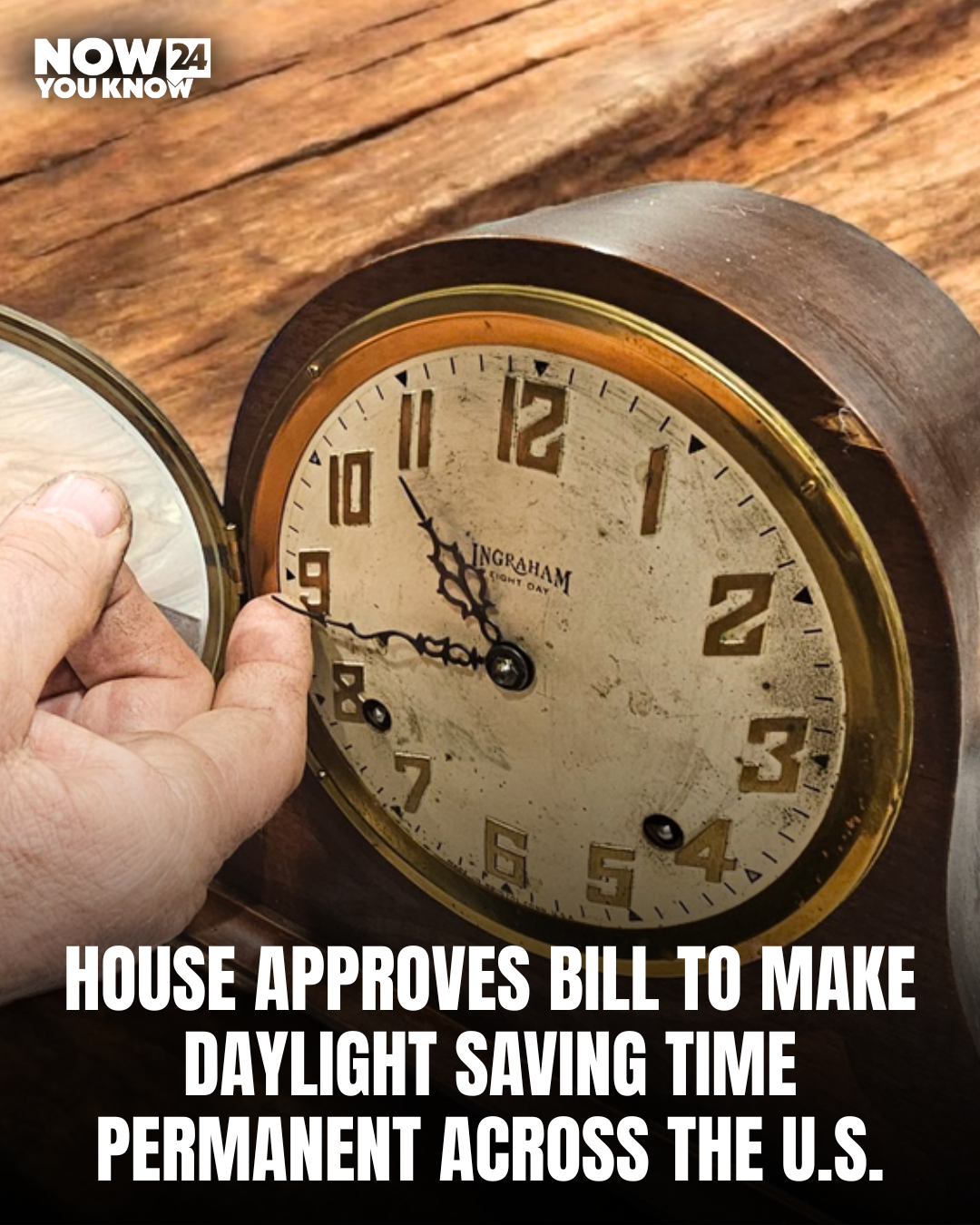

The U.S. House of Representatives has passed legislation that would make Daylight Saving Time (DST) permanent nationwide, potentially ending the twice-yearly clock changes that affect millions of Americans.
The Sunshine Protection Act of 2025 passed the House with a 308-117 bipartisan vote and now moves to the Senate, where lawmakers will decide whether to send it to President Donald Trump for his signature.
What the Bill Would Do
If the legislation becomes law, Americans would no longer “fall back” to standard time each autumn. Instead, the country would remain on Daylight Saving Time year-round, keeping sunsets later throughout the year.
Supporters argue that eliminating the seasonal clock changes could reduce disruptions to sleep schedules and daily routines while providing more daylight during the evening hours.
Trump Voices Support
President Trump has publicly endorsed the measure, saying the twice-a-year time change creates unnecessary costs and inconvenience for states, cities, businesses, and families.
He has argued that making Daylight Saving Time permanent would simplify everyday life and eliminate the need to adjust clocks each spring and fall.
Supporters and Critics Remain Divided
Backers of the bill, including Rep. Vern Buchanan (R-Fla.), say permanent Daylight Saving Time could encourage outdoor activity, benefit tourism, reduce certain types of crime, and improve road safety.
However, some lawmakers and sleep experts have raised concerns. Critics note that under permanent Daylight Saving Time, winter sunrises would occur much later, meaning many children could travel to school before sunrise in some parts of the country. Some health organizations have previously favored permanent standard time instead, citing research on sleep and circadian rhythms.
The Senate Is the Next Hurdle
A similar proposal cleared the Senate in 2022 but ultimately failed to become law after stalling in the House. This time, the House has acted first, but the measure could still face debate in the Senate before reaching the president’s desk.
Whether Americans permanently stop changing their clocks will depend on the outcome of that vote in the coming weeks or months.