



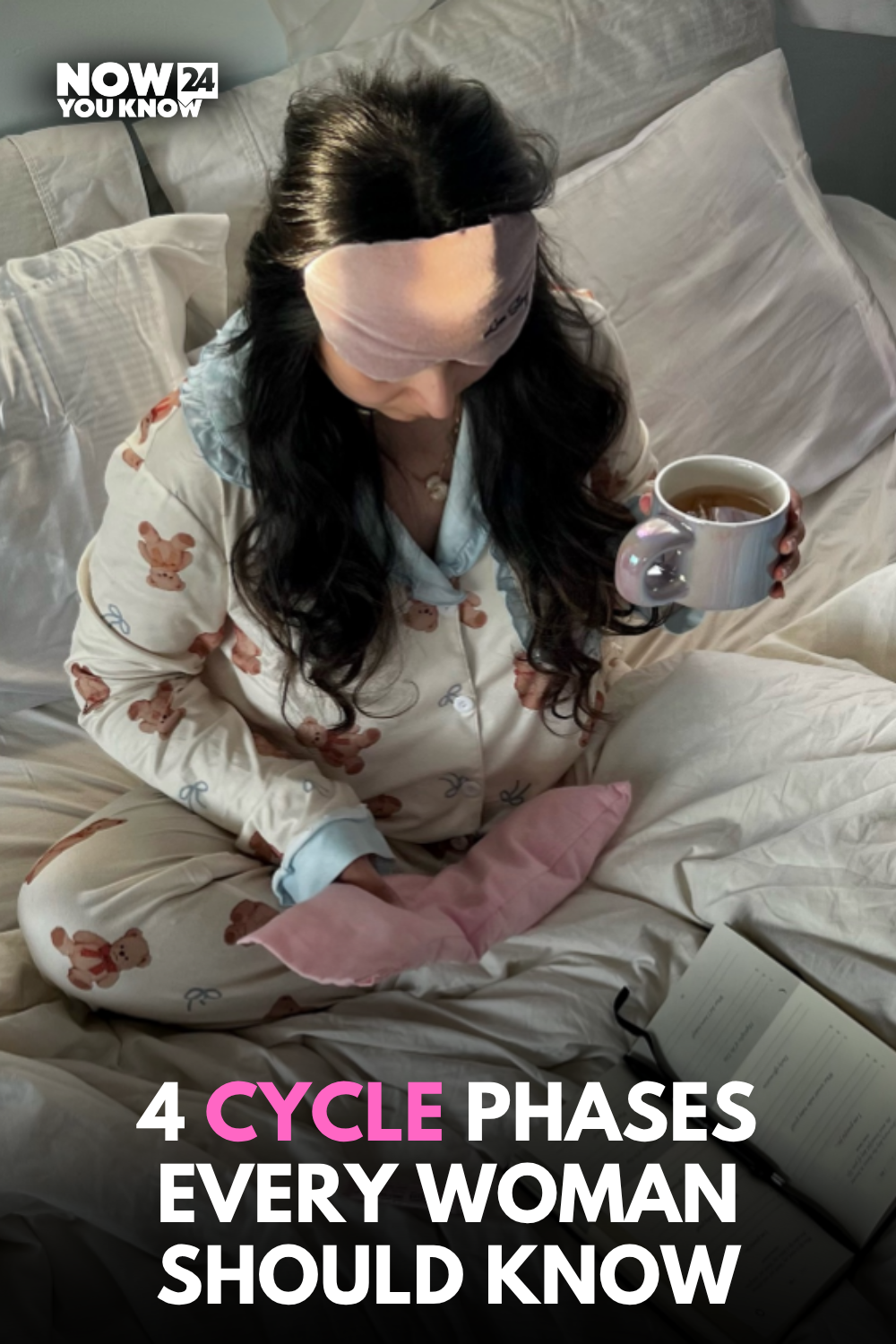

Most people think of their menstrual cycle as simply the days when they have their period and the days when they don’t. In reality, your body moves through four distinct hormonal phases every month, and each one can influence your energy levels, mood, focus, motivation, and even productivity.
Instead of fighting these natural hormonal shifts, learning to work with them can help you feel more energized, reduce frustration, and make daily life feel a little easier.
Here’s how each phase of your cycle affects your body—and how to make the most of it.
1. Menstruation Phase: Time to Rest and Recharge
Your menstrual phase begins on the first day of bleeding and usually lasts between two and seven days.
During this time, estrogen, progesterone, and testosterone are all at their lowest levels. It’s completely normal to feel less energetic, less focused, and more in need of rest.
How to support yourself:
- Prioritize sleep and recovery.
- Lighten your workload if possible.
- Avoid overscheduling yourself.
- Practice self-compassion instead of expecting peak performance.
Think of this phase as your body’s natural reset button.
2. Follicular Phase: Your Fresh Start
Once your period ends, your follicular phase begins.
Estrogen starts rising, bringing increased energy, optimism, creativity, and motivation. Many people notice they think more clearly and feel excited to start new projects during this time.
Make the most of it by:
- Starting new goals or habits.
- Tackling challenging projects.
- Learning new skills.
- Brainstorming creative ideas.
This is often the best time of the month for productivity.
3. Ovulation Phase: Peak Confidence and Connection
Ovulation usually occurs around the middle of your cycle and lasts about 24 hours, although hormone levels remain elevated for several days.
Estrogen and testosterone reach their highest levels, often boosting confidence, communication skills, and overall energy.
This is the perfect time to:
- Schedule important meetings.
- Give presentations.
- Network or socialize.
- Have meaningful conversations.
- Collaborate on team projects.
Many people naturally feel more outgoing and confident during ovulation.
4. Luteal Phase: Slow Down and Reflect
After ovulation comes the luteal phase.
Progesterone rises significantly, creating a calmer, slower mental state. As hormone levels begin to fall before your next period, many people experience PMS symptoms like fatigue, mood changes, food cravings, or irritability.
Rather than seeing this as a weakness, think of it as your body’s signal to slow down.
During this phase:
- Focus on routine tasks.
- Finish existing projects.
- Organize paperwork or administrative work.
- Prioritize self-care.
- Give yourself permission to rest when needed.
Reflection often comes more naturally during this phase, making it a great time to review goals and prepare for the next cycle.
Why Tracking Your Cycle Helps
Everyone’s cycle is unique.
Tracking your symptoms, mood, and energy each month can help you recognize patterns and better understand what your body needs throughout each phase.
Many period-tracking apps allow you to log:
- Energy levels
- Mood changes
- Sleep
- Symptoms
- Productivity
- Exercise
After a few months, you’ll likely notice recurring patterns that make planning your schedule much easier.
Listen to Your Body
Your hormones aren’t working against you—they’re providing valuable information about what your body needs.
Instead of expecting yourself to perform at maximum capacity every single day, try aligning your schedule with your natural rhythm. Some weeks are ideal for pushing forward, while others are meant for slowing down and recovering.
Learning to work with your menstrual cycle—not against it—can help you improve productivity, reduce burnout, and build a healthier relationship with your body.
The goal isn’t to be productive every day. It’s to support yourself through every phase, exactly as your body was designed to do.