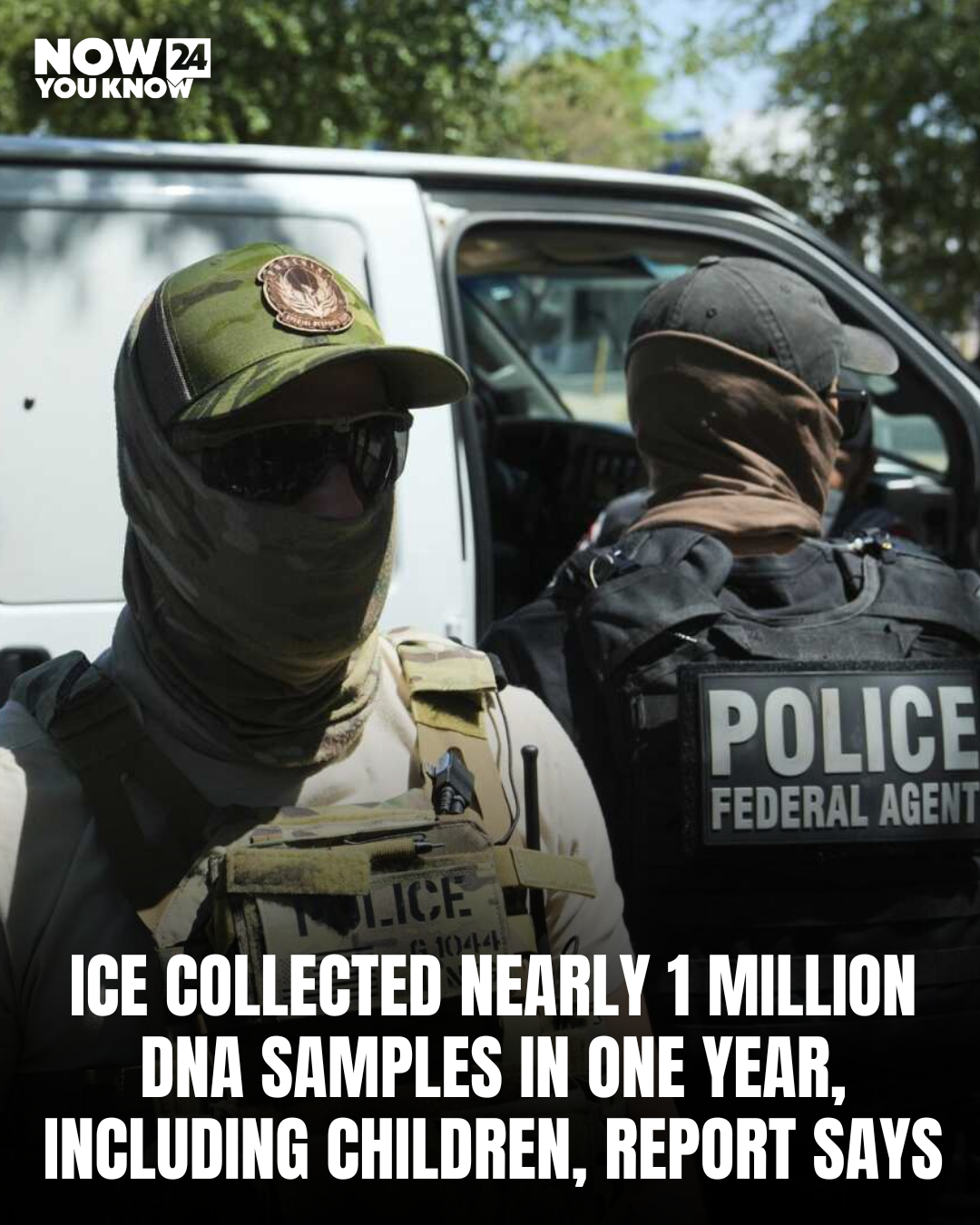

A new report claims that U.S. Immigration and Customs Enforcement (ICE) dramatically expanded its DNA collection program in 2025, gathering genetic samples from hundreds of thousands of migrants, including some children, and adding many of those profiles to the FBI’s criminal DNA database.
According to research from Georgetown Law’s Center on Privacy and Technology, ICE may have contributed as many as 920,000 DNA profiles to the FBI’s Combined DNA Index System (CODIS) in 2025 alone. The report argues that many of the people whose DNA was collected had no criminal convictions, with many being held only for civil immigration matters.
The report highlights the case of Hugo Moreno-Mendez, who was arrested by ICE during a probation check-in in Texas. Court records show he repeatedly refused to provide a cheek swab for DNA collection and was later convicted of refusing to comply while in federal custody.
Researchers say the program has expanded significantly since 2020, when federal rules were changed to require DNA collection from nearly everyone held in immigration custody. Internal training materials cited in the report reportedly instructed officers to collect DNA after almost every arrest, including from asylum seekers and refugees who were not exempt under the policy.
The findings have also raised concerns about children. According to documents reviewed in the report, federal agencies collected DNA from some minors in immigration custody, including children younger than 14. Several lawmakers criticized the practice, arguing that families who have not been convicted of crimes should not be entered into a database designed for criminal investigations.
The Department of Homeland Security (DHS) defended the program, saying DNA collection is authorized under federal law and helps with identification and border security. DHS also said some DNA testing is used to verify family relationships, though researchers argue that samples sent to the FBI can remain in the criminal database indefinitely and may be searched during future investigations.
Civil rights advocates continue to challenge the policy in court, claiming it raises serious privacy and constitutional concerns. Meanwhile, immigration officials maintain the program is a lawful tool that supports law enforcement and national security efforts.