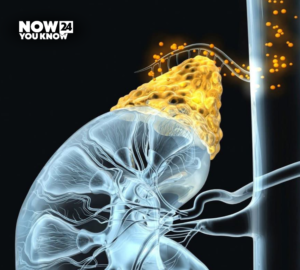

Insulin resistance is a common condition that often develops quietly, with few or no symptoms at first. It happens when your body’s cells stop responding properly to insulin, forcing your pancreas to produce more of the hormone to keep blood sugar under control. Over time, this can lead to prediabetes, type 2 diabetes, heart disease, and other health problems if left unmanaged.
One of the biggest challenges is that many people don’t realize they have insulin resistance until blood sugar levels begin to rise. Knowing the warning signs and making healthy lifestyle changes early can significantly improve your long-term health.
Common Signs of Insulin Resistance
Many people have no symptoms in the early stages. As the condition progresses, you may notice constant fatigue, increased hunger, frequent urination, excessive thirst, blurred vision, unexplained weight changes, recurring yeast infections, skin tags, or dark patches of skin around the neck or armpits (acanthosis nigricans).
If you experience several of these symptoms, it’s worth discussing them with your healthcare provider.
What Causes Insulin Resistance?
Several factors can increase the risk. Excess belly fat and physical inactivity are among the most common contributors. A diet high in processed foods, refined carbohydrates, sugary drinks, and unhealthy fats may also make the condition worse.
Genetics, aging, certain medications, hormonal disorders, sleep problems, smoking, and a family history of diabetes can also increase your risk.
Can Insulin Resistance Be Reversed?
For many people, the answer is yes. While genetics can’t be changed, lifestyle improvements can make your cells more responsive to insulin and lower your risk of developing type 2 diabetes.
Doctors often recommend losing excess weight if needed, becoming more physically active, improving your diet, and managing other conditions such as high blood pressure or high cholesterol.
Foods That Help Improve Insulin Sensitivity
A healthy eating pattern can make a major difference. Focus on vegetables, beans, whole grains, berries, apples, nuts, lean proteins, fish, and healthy fats like olive oil.
At the same time, try limiting sugary drinks, white bread, pastries, processed snacks, refined cereals, and excessive sweets, which can cause rapid spikes in blood sugar.
Exercise Is One of the Best Treatments
Regular movement helps your muscles use glucose more efficiently, reducing the amount of insulin your body needs. Experts recommend aiming for at least 150 minutes of moderate exercise each week, such as brisk walking, cycling, swimming, or strength training.
Even small increases in daily activity can improve insulin sensitivity over time.
When Should You Get Tested?
Since insulin resistance often causes no symptoms, routine blood tests may detect problems before diabetes develops. Your healthcare provider may recommend fasting blood glucose, an A1C test, or other blood work if you have risk factors like obesity, a family history of diabetes, high blood pressure, or elevated cholesterol.
The Bottom Line
Insulin resistance is common, but it doesn’t have to lead to diabetes. Making healthier food choices, staying active, maintaining a healthy weight, and working with your healthcare provider can greatly improve your insulin sensitivity and protect your long-term health. The earlier you make these changes, the greater the benefits for your heart, metabolism, and overall well-being