
Iran Shifts Focus Beyond Military Pressure
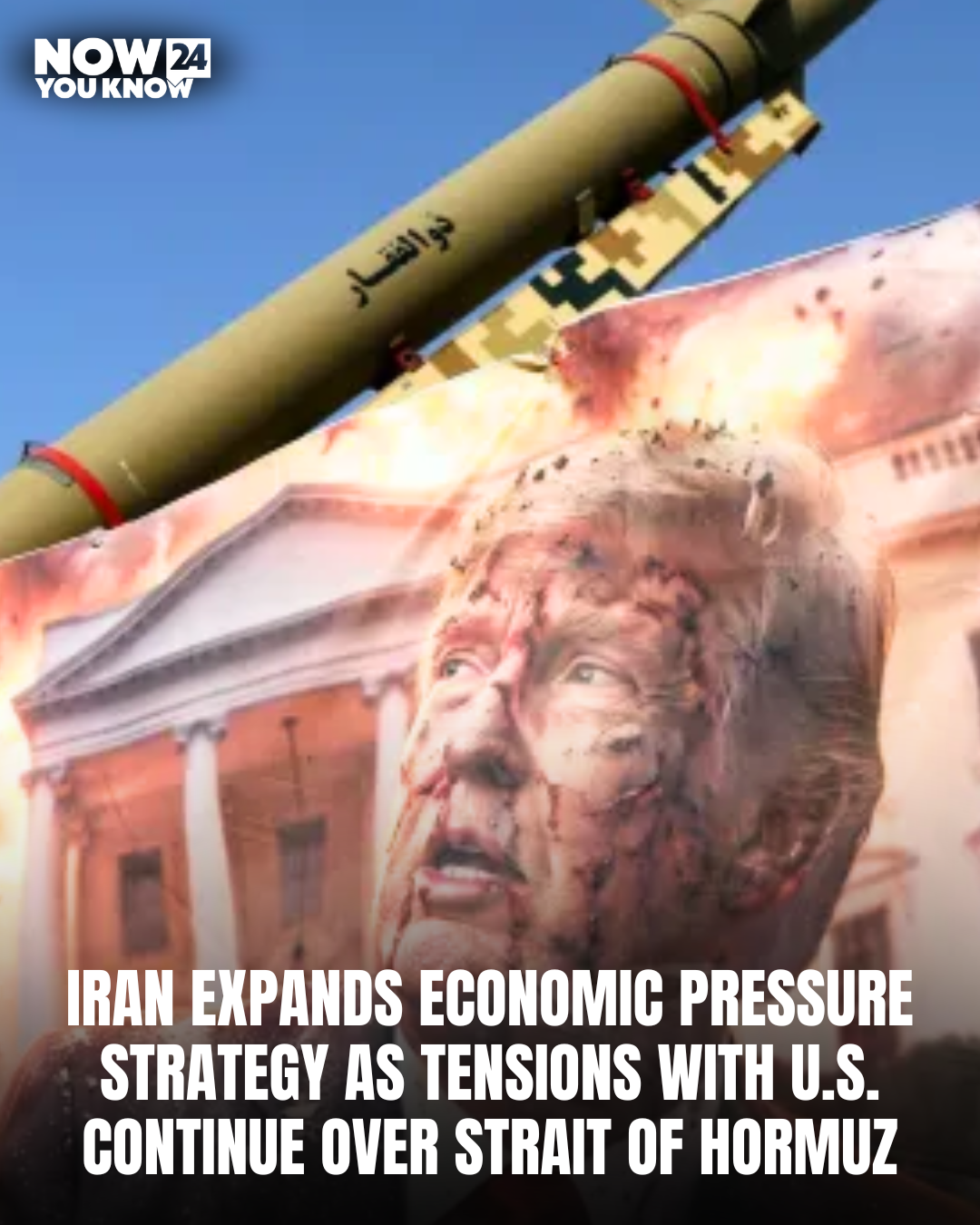
Iran is increasingly relying on economic pressure instead of direct military confrontation as tensions with the United States continue over the Strait of Hormuz. According to multiple analysts and regional sources, Tehran believes disrupting trade and energy markets could strengthen its position in any future negotiations.
A Strategy Aimed at Raising Global Costs
Rather than seeking a full-scale military conflict, experts say Iran is pursuing a strategy of gradual escalation. By creating uncertainty around key shipping routes and regional energy infrastructure, Iranian leaders hope to increase the economic and political costs for Washington and its allies.
The Strait of Hormuz Remains the Main Flashpoint
The Strait of Hormuz remains one of the world’s most important maritime corridors, with a significant share of global oil shipments passing through it. Any disruption in the area can affect international energy prices, shipping costs, and global supply chains, making the waterway a critical point of concern for governments and markets alike.
Reports Suggest Broader Regional Pressure
Analysts say Iran has also signaled the possibility of extending pressure beyond the Strait of Hormuz, including threats involving other strategic waterways and energy infrastructure in the region. While these developments have raised concerns, officials continue to emphasize the importance of avoiding a broader military conflict.
Negotiations Remain Uncertain
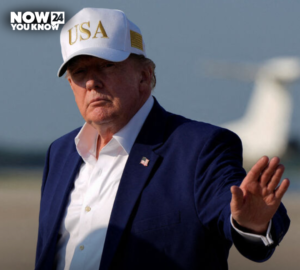
Although President Donald Trump recently said negotiations with Iran could still take place, Iranian officials have publicly denied that formal talks are currently underway. Both sides continue to exchange firm public statements, with neither indicating a willingness to back down on key demands.
Experts See a War of Endurance
Security analysts describe the current standoff as a contest of endurance rather than a race for military victory. Instead of focusing solely on battlefield outcomes, both governments appear to be using economic pressure, diplomatic messaging, and strategic positioning to improve their leverage ahead of any potential negotiations.
Global Markets Continue to Watch Closely
With no immediate diplomatic breakthrough in sight, investors and governments remain focused on developments in the Gulf region. Any further disruption to shipping routes or energy supplies could have broader consequences for oil markets and the global economy, making the situation one of the world’s most closely watched geopolitical challenges.