
The Doctor at the Center of a Global Case
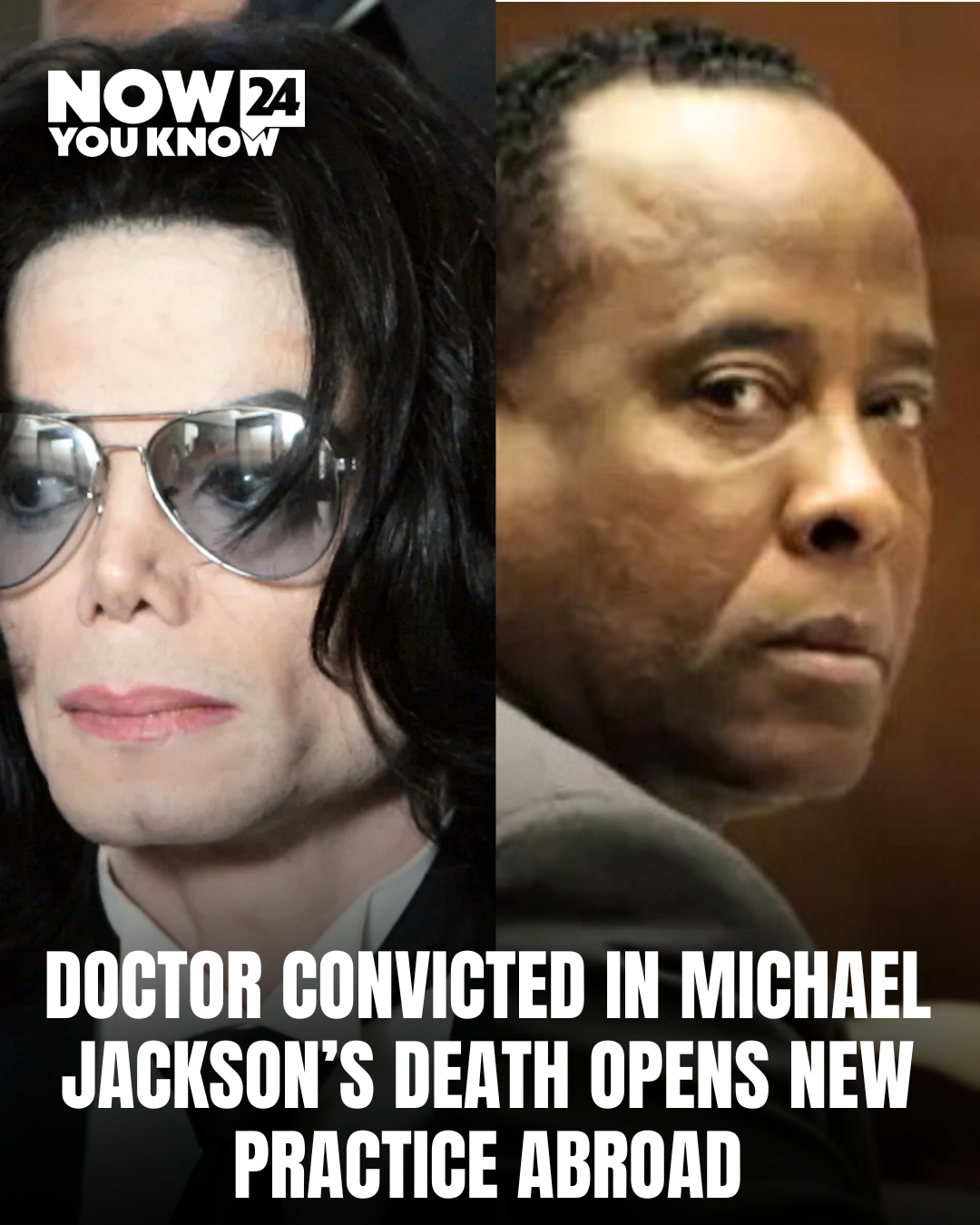
Conrad Murray became a widely known figure after being convicted in 2011 of involuntary manslaughter in connection with the death of Michael Jackson. The case drew worldwide attention and permanently changed his life and career.
What Happened After the Conviction
Murray was sentenced to four years in prison but served just under two years before being released in 2013. His medical licenses in several US states were either suspended or revoked following the case.
Despite maintaining his innocence, he faced major professional and personal setbacks after his release.
Attempts to Return to Medicine
After leaving prison, Murray made several efforts to continue working in the medical field. He reportedly provided consultations and explored options to regain his medical licenses, though restrictions remained in place.
His ability to practice in the United States has continued to face limitations.
A Move Back to the Caribbean
In recent years, Murray relocated to Trinidad and Tobago, where he has focused on rebuilding his career. Reports indicate that he established a medical institute in the country, marking a new chapter after years of legal and professional challenges.
Opening a New Medical Institute
In 2023, he launched the DCM Medical Institute, aiming to continue practicing medicine outside the US system. However, even there, he has reportedly faced regulatory hurdles and scrutiny due to his past conviction.
Life Away From the Spotlight
Unlike the intense media attention during the trial, Murray now lives a relatively low-profile life. Public appearances are limited, and most updates about him come through occasional interviews or reports.
A Case That Still Resonates
More than a decade later, the case remains one of the most discussed moments in modern pop culture history. Murray’s name is still closely tied to the circumstances surrounding Jackson’s death.
Where He Stands Today
As of now, Conrad Murray continues to live in Trinidad and Tobago while managing his medical institute. His licenses in the United States remain restricted, and his role in Jackson’s death continues to define public perception.