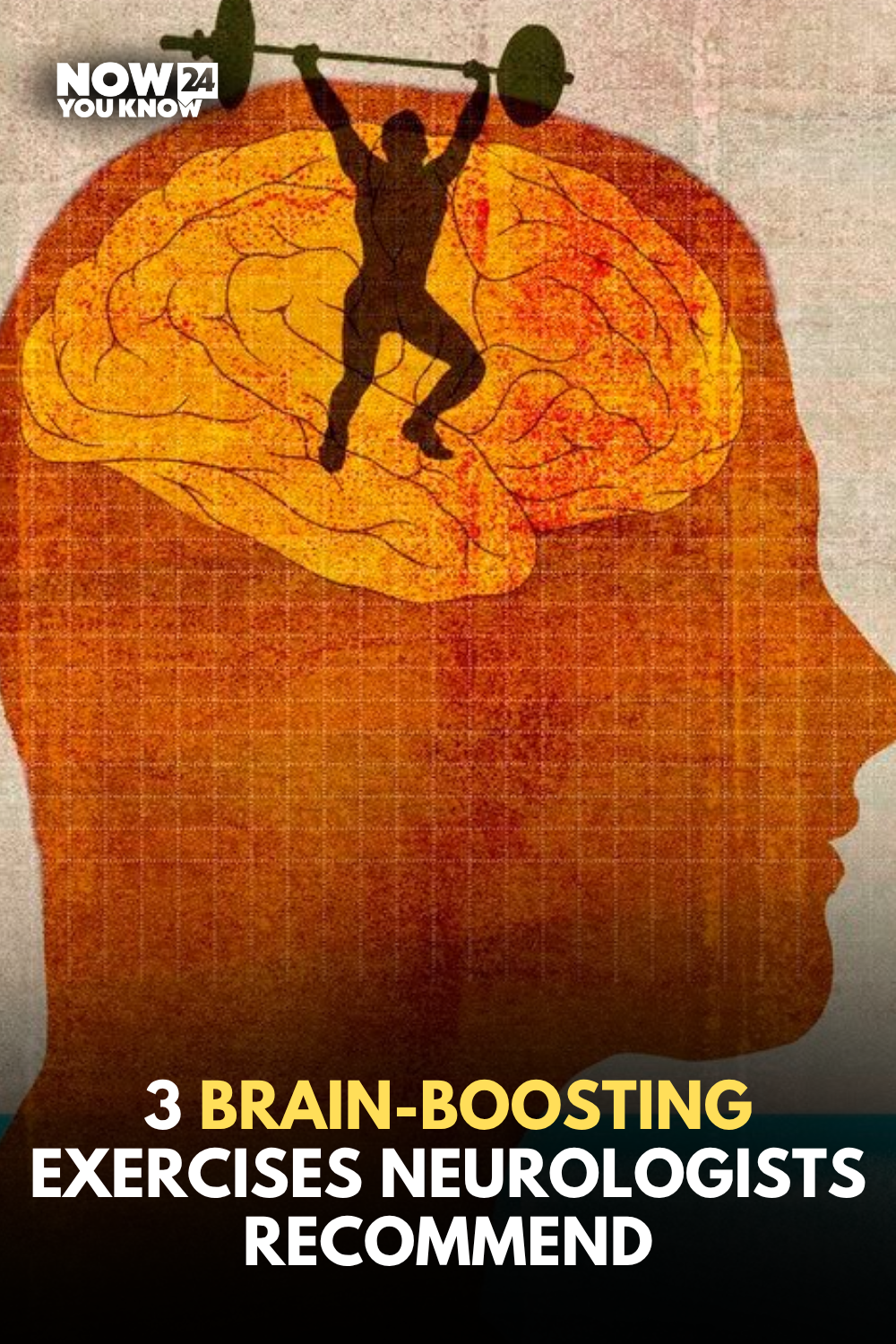

Exercise is well known for keeping your body healthy, but it also plays a powerful role in protecting your brain. Research suggests that staying physically active can improve memory, support learning, and lower the risk of cognitive decline and dementia as you age.
Regular movement benefits the brain in several ways. It increases blood flow, delivering more oxygen and nutrients to brain cells. Exercise also helps reduce inflammation, improves sleep, lowers stress, and supports neuroplasticity, which is the brain’s ability to form new connections and adapt throughout life.
Experts recommend aiming for at least 150 minutes of moderate exercise each week, or 75 minutes of vigorous activity. Even short sessions of 20 to 30 minutes a day can provide meaningful health benefits. Everyday activities like gardening, vacuuming, or mowing the lawn also count toward your movement goals.
One of the best choices for brain health is aerobic exercise. Activities such as brisk walking, swimming, cycling, dancing, or jogging get your heart pumping and improve circulation to the brain. Studies suggest this may help preserve brain volume and support memory and thinking skills over time.
Gentler activities like yoga and tai chi can also benefit cognitive health. These mind-body exercises combine movement with breathing and balance, helping reduce stress while improving focus and mental clarity. Research has shown they may be especially helpful for maintaining cognitive function in older adults.
Don’t overlook strength training, either. Lifting weights or using resistance bands helps build stronger muscles and bones while also supporting memory, attention, and reasoning. Some studies suggest regular resistance training may help reduce the risk of age-related cognitive decline.
The key is consistency. If you’re new to exercise, start with small changes such as taking the stairs, parking farther away, or going for a daily walk. Over time, these simple habits can make a lasting difference for both your body and your brain.