

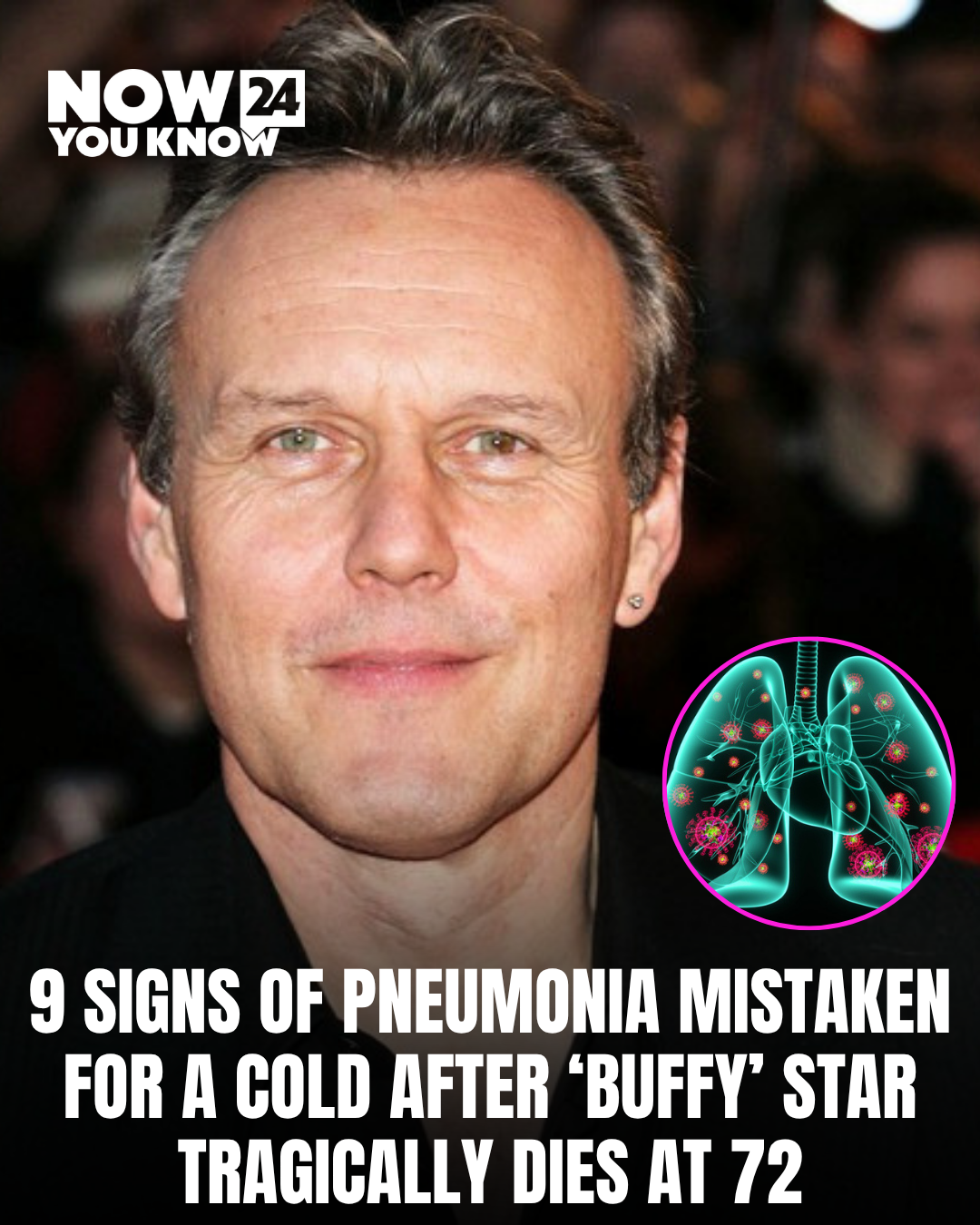

Following the tragic death of actor Anthony Head after complications linked to pneumonia, many people are only now discovering how easily the illness can be mistaken for something far less serious.
The Buffy the Vampire Slayer and Ted Lasso star died at the age of 72, with pneumonia-related complications cited as the cause.
Pneumonia is a serious lung infection that affects thousands of people every year and can quickly become dangerous, especially for older adults, babies, and people with weakened immune systems.
However, one of the biggest dangers is that many of the warning signs overlap with illnesses like the flu, bronchitis, chest infections, or even the common cold.
The Symptoms People Often Ignore
According to doctors, several common pneumonia symptoms are regularly mistaken for less serious conditions.
The signs include:
- A chesty cough
- Wheezing
- Shortness of breath
- High temperature or fever
- Chest pain
- Loss of appetite
- Extreme tiredness
- Body aches
- Difficulty breathing
Many people assume symptoms like coughing, fatigue, or aching muscles are simply part of a seasonal illness.
But experts warn there is one symptom that can indicate something more serious.
The Warning Sign That Sets Pneumonia Apart
Doctors say sharp chest pain that becomes worse when coughing or taking deep breaths can be a major red flag for pneumonia.
Medical experts explain that pneumonia affects the lungs directly, causing inflammation and fluid buildup that can lead to severe complications if left untreated.
These complications can include respiratory failure, sepsis, fluid around the lungs, and acute respiratory distress syndrome.
Why Pneumonia Can Become Dangerous Quickly
Pneumonia is usually treated with antibiotics, but in some cases the infection can rapidly worsen.
Older adults are considered especially vulnerable, as well as young children and people living with underlying lung conditions like asthma or COPD.
Doctors are urging people not to ignore symptoms that seem unusually severe or continue getting worse after several days.
How To Reduce Your Risk
Health experts recommend several simple ways to reduce the risk of pneumonia, including:
- Washing hands regularly
- Using tissues when coughing or sneezing
- Throwing used tissues away immediately
- Avoiding close contact with people who are ill
- Getting vaccinated if eligible
Many people are also unaware that pneumonia vaccines are available for certain age groups and vulnerable individuals.
Following Anthony Head’s death, renewed attention has focused on how important it is to recognize the signs early before the illness becomes life-threatening.