
Oil prices surged sharply after a planned second round of peace negotiations between the United States and Iran failed to materialize. The market reaction came as tensions escalated surrounding the strategic Strait of Hormuz, a critical maritime passage for global oil and liquefied natural gas shipments.
Brent crude futures climbed approximately 7% at the opening of the New York market on Sunday evening, initially reaching $97 per barrel before settling slightly lower around $95.32 by early Monday morning. West Texas Intermediate (WTI) crude also rose, gaining around 6% to $88 per barrel and maintaining that level during overnight trading.
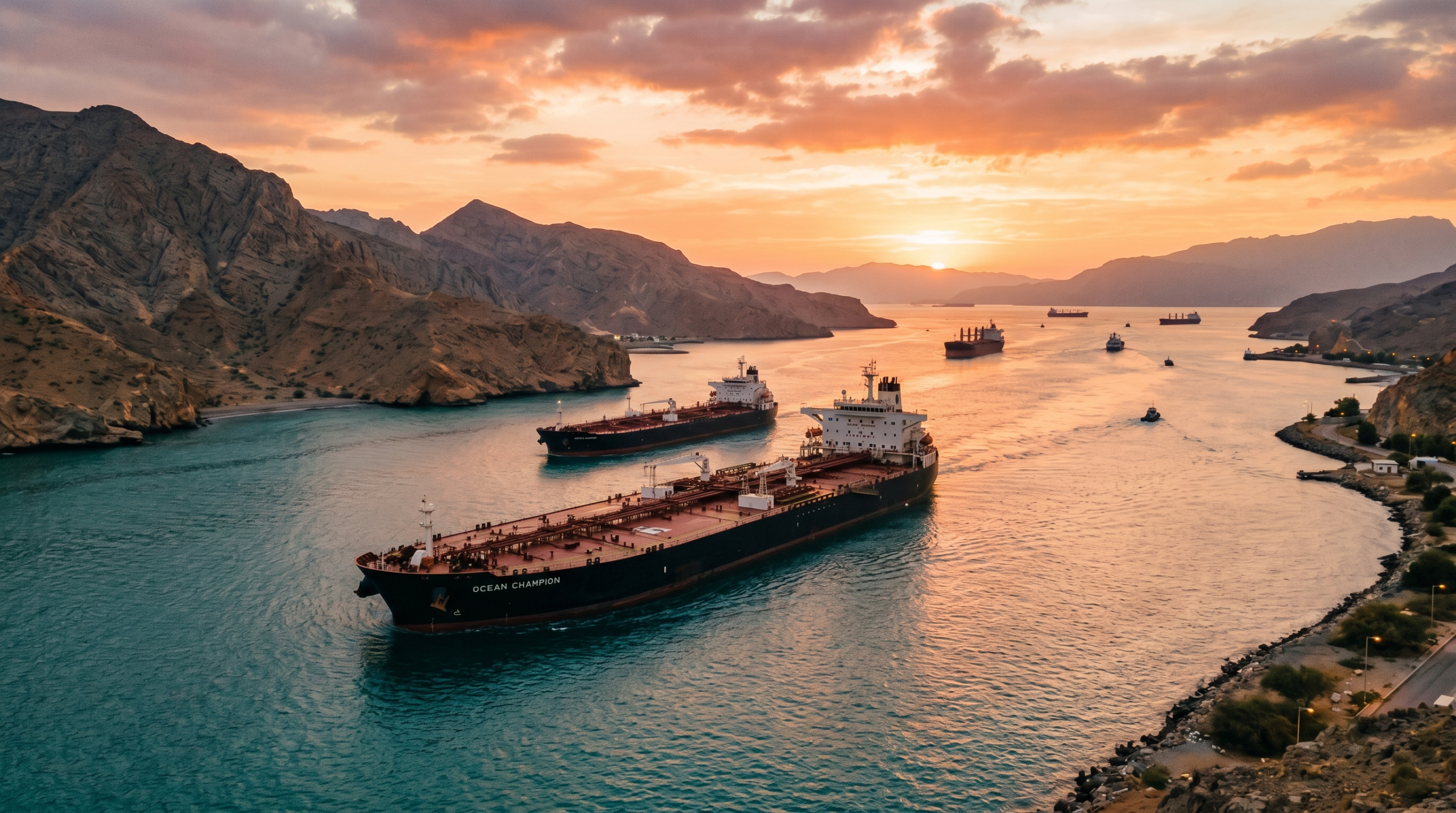
The spike in prices follows months of volatility triggered by conflicts between the US, Israel, and Iran. The conflict intensified after an attack on Iran in late February, prompting Tehran to effectively close the Strait of Hormuz. This crucial waterway connects the Persian Gulf to the Indian Ocean and facilitates the transit of nearly 20% of the world’s oil supply.
Although crude prices had declined more than 20% from previous highs amid hopes for peace, the continued closure of the Strait has kept energy prices elevated. The disruption has led several countries to implement energy-saving measures; the Philippines, for instance, introduced a four-day workweek for government employees. In the United States, average gasoline prices exceeded $4 per gallon in March for the first time since August 2022. Concurrently, rising jet fuel costs have resulted in some airline route cancellations and increased fees for travelers.
The failed peace talks followed a weekend of heightened tensions. US President Donald Trump announced that negotiations would resume and indicated that representatives were en route to Islamabad, Pakistan, to engage in talks. However, Iran declined to attend, citing objections to US demands, shifting positions, contradictions, and an ongoing naval blockade that it views as a violation of the ceasefire.
Further escalation occurred after the US Navy fired upon an Iranian cargo ship attempting to bypass the blockade. President Trump stated that the ship, named TOUSKA, was disabled by US forces and taken into custody due to prior sanctions related to illegal activities.
These developments occurred against the backdrop of a fragile two-week ceasefire agreement between the US and Iran. The ceasefire included Iran’s initial commitment to allow passage through the Strait, which it later reversed, reimposing restrictions in response to the US naval blockade.
Earlier attempts at peace negotiations, including a 21-hour session involving US Vice President JD Vance in Islamabad, had failed to reach an agreement. The ongoing disputes and military actions have sustained uncertainty and volatility in global energy markets.