
If you’ve ever walked through the supplement aisle, you’ve probably seen bottles labeled omega-3, omega-6, and omega-9. While they may sound similar, these healthy fats don’t all play the same role in your body. Knowing the difference can help you make smarter choices for your heart, brain, and overall health.
What Are Omega Fatty Acids?
Omega fatty acids are healthy unsaturated fats that help your body function properly. Two of them, omega-3 and omega-6, are considered essential fats, meaning your body cannot produce them on its own. Omega-9 is different because your body can make it, although consuming foods rich in omega-9 can still be beneficial as part of a balanced diet.
Why Omega-3 Gets So Much Attention
Among the three, omega-3 is the nutrient many people don’t get enough of. It plays an important role in supporting normal heart function, brain health, and vision. Some forms of omega-3 are also important during pregnancy because they contribute to healthy fetal brain and eye development.
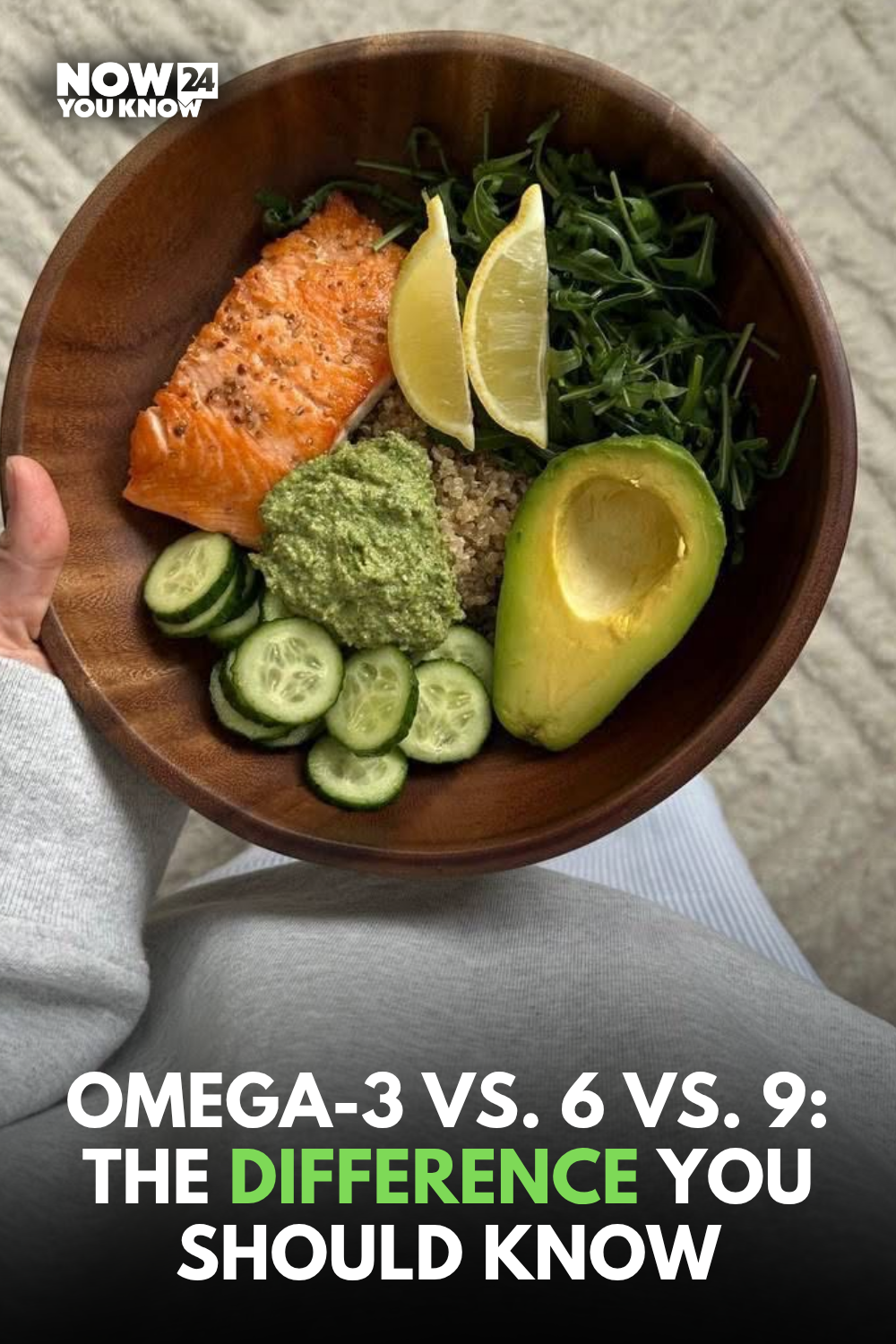
The richest food sources include salmon, sardines, mackerel, trout, herring, flaxseeds, chia seeds, and walnuts. While plant foods provide a form called ALA, the body converts only a small amount into the more active forms, EPA and DHA, which are found mainly in oily fish and algae.
What About Omega-6?
Like omega-3, omega-6 is essential, but most people already consume plenty of it. It’s commonly found in vegetable oils, processed foods, nuts, and seeds. Because it’s so widespread in modern diets, omega-6 deficiency is uncommon, and most healthy adults don’t need an additional supplement.
Is Omega-9 Important?
Omega-9 isn’t considered essential because your body can produce it naturally. However, foods rich in omega-9, such as olive oil, avocados, and many nuts, are staples of healthy eating patterns like the Mediterranean diet and can support overall heart health when they replace less healthy fats.
Why Balance Matters
Experts believe it’s not just about getting enough healthy fats but also maintaining a good balance between them. Many modern diets contain far more omega-6 than omega-3, which may affect the body’s normal inflammatory processes over time. Rather than cutting out omega-6, many nutrition experts recommend increasing omega-3 intake to create a healthier balance.
Easy Ways to Add More Omega-3
You don’t need a major diet overhaul to boost your omega-3 intake. Consider eating oily fish once or twice a week, sprinkling chia seeds or ground flaxseed over yogurt or oatmeal, snacking on walnuts, or choosing olive or canola oil instead of oils higher in omega-6. People who don’t eat fish may wish to discuss algae-based omega-3 supplements with their healthcare provider.
Should You Take an Omega Supplement?
Supplements can be helpful for some people, particularly those who rarely eat fish or follow a vegetarian or vegan diet. However, they’re not necessary for everyone. It’s always a good idea to speak with a healthcare professional before starting a supplement, especially if you’re pregnant, breastfeeding, taking blood-thinning medication, or managing a chronic health condition.
The Bottom Line
Omega-3, omega-6, and omega-9 all have important roles, but they aren’t equally important to supplement. Since most people already get enough omega-6 and omega-9, focusing on increasing omega-3 through food, and supplements when appropriate, may be one of the simplest ways to support long-term heart, brain, and overall health.