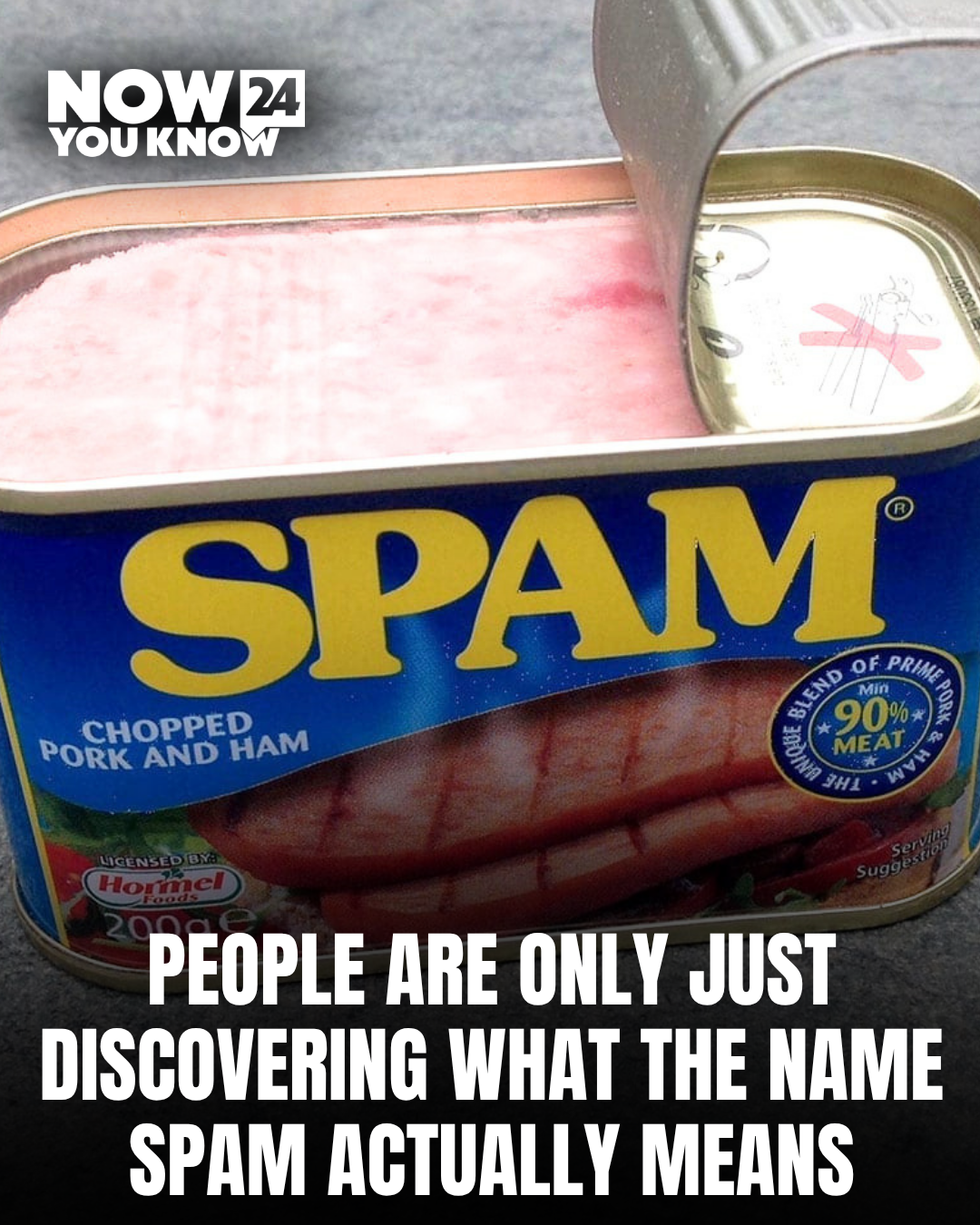

SPAM has been sitting in kitchen cupboards for nearly 90 years, but many people are only now realizing the famous canned meat product may not mean what they always assumed.
The iconic tinned meat, first introduced by Hormel Foods in 1937, became especially popular during World War II after being widely included in military rations. Decades later, SPAM remains a global food staple, with billions of cans sold worldwide.
But despite its long history, debate around the meaning of the name “SPAM” has never fully disappeared.
Many People Assumed It Was An Acronym
For years, consumers have tried guessing what the word actually stands for.
Online discussions regularly feature theories ranging from “Shoulder Pork and Meat” to “Salted Processed Assorted Meat.” Others have jokingly suggested it means “Spare Parts of Animal Meat.”
However, Hormel Foods has never officially confirmed most of these popular interpretations.
Instead, many food historians believe the name is actually a portmanteau, meaning two words blended together into one.
The Most Popular Theory
The most widely accepted explanation is that SPAM combines the words “spiced” and “ham.”
According to company history, the name reportedly came from a naming contest won by Ken Daigneau, whose brother worked as a Hormel executive. He received $100 for suggesting the now-famous name.
Hormel itself has often leaned into the mystery rather than giving a completely direct answer.
In one playful company statement, the brand joked that the true meaning of SPAM is known only by “a small circle of former Hormel Foods executives” and possibly “Nostradamus.”
What’s Actually Inside SPAM?
While the name continues sparking debate, Hormel has clearly explained what goes into the product itself.
According to the company, classic SPAM contains just six ingredients: pork with ham, salt, water, potato starch, sugar, and sodium nitrite.
Over the years, SPAM has developed a surprisingly loyal fanbase worldwide, especially in places like Hawaii, Guam, and South Korea, where it has become deeply embedded in local cuisine and culture.
From Wartime Rations To Pop Culture Icon
SPAM’s popularity exploded during World War II because of its long shelf life and convenience for soldiers overseas.
Since then, the product has evolved from a wartime necessity into a pop culture phenomenon, inspiring everything from recipes and festivals to comedy sketches and internet memes.
The word “spam” also later became associated with unwanted emails after a famous Monty Python comedy sketch repeatedly used the term in an intentionally overwhelming way.
Even after nearly nine decades on store shelves, the mystery surrounding the famous name still continues to fascinate curious shoppers online.