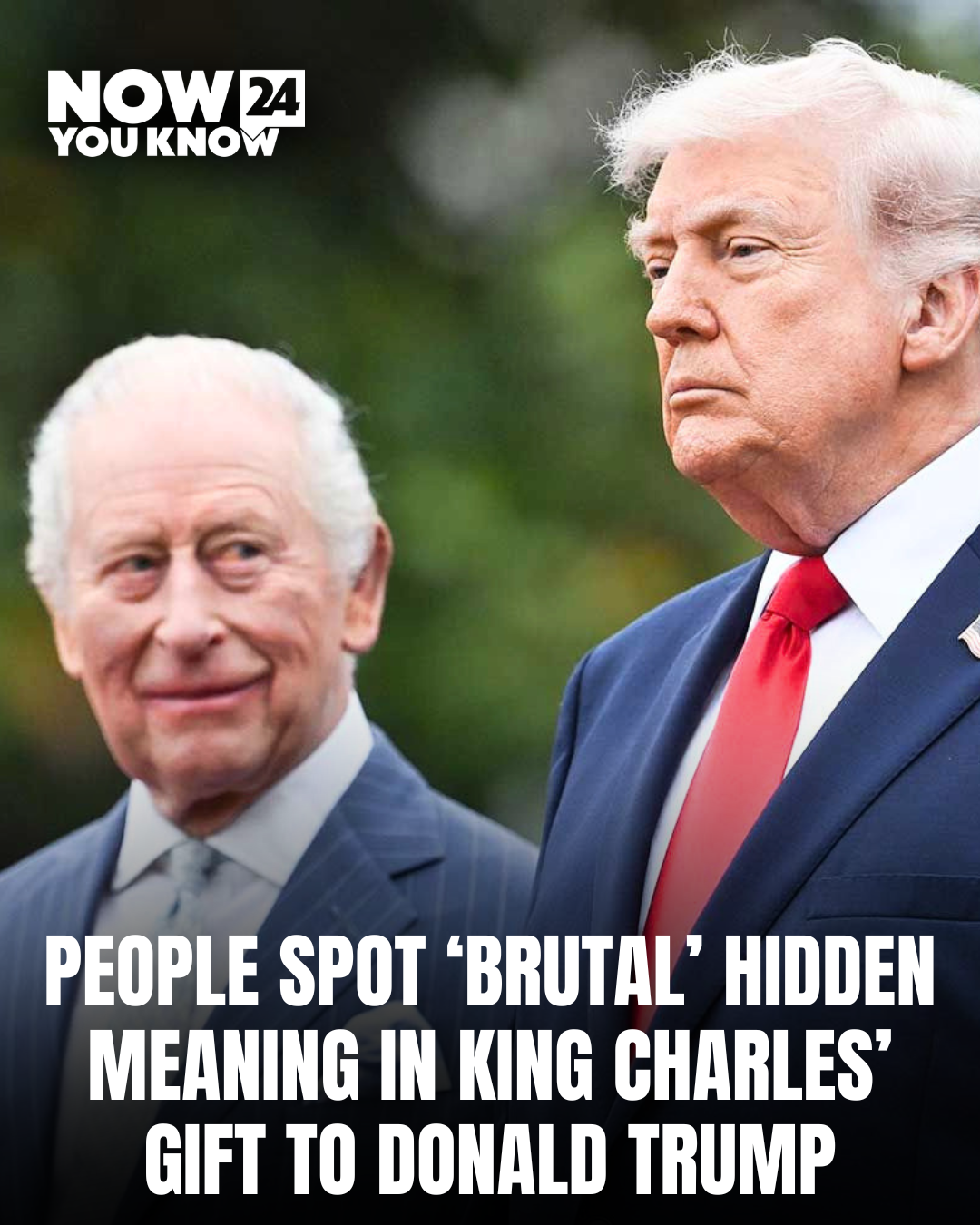

King Charles III’s state visit to the U.S. was meant to highlight diplomacy and shared history, but one gesture toward Donald Trump quickly took on a life of its own online.
During a White House state dinner, the King presented Trump with a brass bell from a World War II-era British submarine named HMS Trump.
A gift rooted in history
The bell came from a Royal Navy vessel launched in 1944, tying the present moment to a period of close military cooperation during World War II.
In his remarks, King Charles framed the gift as a symbol of the enduring alliance between the United Kingdom and the United States, calling it a testament to shared history and future ties.
A lighthearted remark adds fuel
The King also made a brief joke while presenting the gift, saying, “And should you ever need to get hold of us, well, just give us a ring,” prompting laughter from attendees.
While the comment appeared playful, it became a key detail in how the moment was interpreted online.
Social media runs with its own theory
As clips spread, some users began suggesting the gift carried a cheeky or “savage” hidden meaning.
A number of viral reactions focused less on the historical context and more on wordplay, with some interpreting the bell as a subtle joke rooted in British humor.
No evidence behind viral claims
Despite the speculation, there is no indication that the gift was intended as anything other than a diplomatic gesture.
Royal gifts are typically carefully selected to reflect shared history, symbolism, and respect between nations.
A broader diplomatic backdrop
The state visit itself included formal events, meetings, and ceremonial moments aimed at reinforcing the long-standing relationship between the two countries.
King Charles also emphasized the evolution of U.S.-U.K. ties, describing them as a journey from past conflict to close alliance.
Why the moment resonated
Even without confirmed hidden meaning, the combination of symbolism, timing, and online interpretation helped the moment gain traction.
It highlights how modern audiences often reinterpret traditional diplomatic gestures through a more informal, social media-driven lens.