
Gut health has become a major focus in recent years, and two words come up again and again: prebiotics and probiotics. While they sound similar, they play very different roles in supporting your digestive system and overall health.
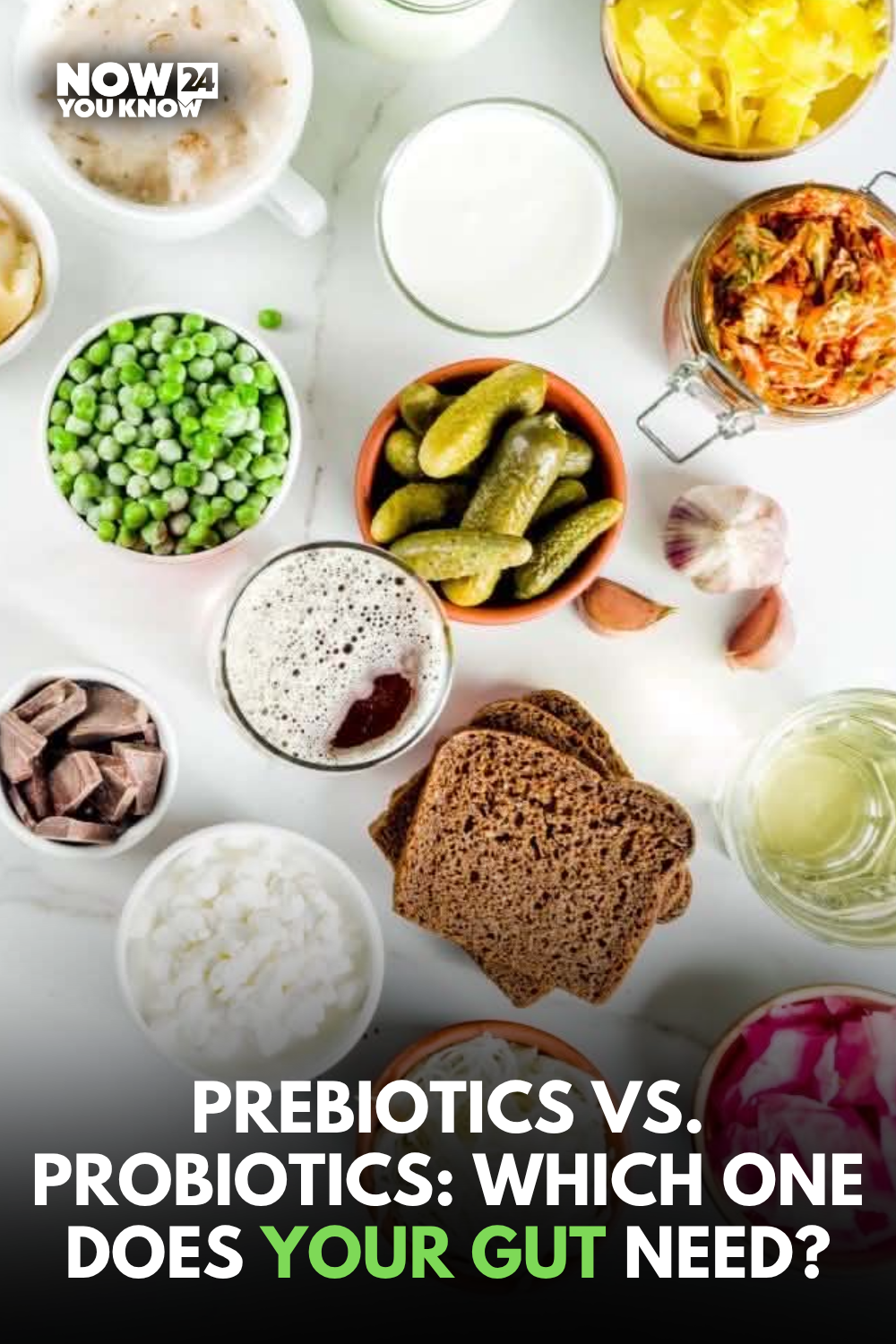
Probiotics are live, beneficial bacteria found in foods like yogurt, kefir, kimchi, sauerkraut, and other fermented foods. These helpful microbes can support digestion, strengthen the gut barrier, and may even contribute to immune function and mental well-being by helping maintain a healthier balance of bacteria in your gut.
Prebiotics, on the other hand, aren’t bacteria at all. They’re a type of fiber that feeds the good bacteria already living in your digestive system. Foods rich in prebiotics include bananas, oats, onions, garlic, asparagus, beans, berries, and whole grains. Without enough prebiotic fiber, beneficial gut bacteria may struggle to thrive.
Experts say the best results come from consuming both. Think of probiotics as the “good bacteria” and prebiotics as the fuel that helps them survive and multiply. Together, they work to support digestion, reduce inflammation, strengthen your gut lining, and promote a healthier microbiome.
Diet plays a major role in gut health. Highly processed foods that are high in sugar and refined carbohydrates may encourage the growth of less beneficial bacteria. In contrast, eating a variety of fiber-rich plant foods alongside fermented foods helps create a healthier environment for your gut microbes.
While probiotic supplements are popular, they aren’t necessary for everyone. Different products contain different strains of bacteria, and not all have strong scientific evidence behind them. Some people, including those with certain digestive conditions, may even experience worsening symptoms from supplements, making it important to speak with a healthcare provider before starting one.
For most people, improving gut health begins with everyday food choices rather than expensive supplements. A balanced diet filled with fiber-rich fruits and vegetables, legumes, whole grains, and fermented foods provides both prebiotics and probiotics naturally, helping support a healthier digestive system over the long term.