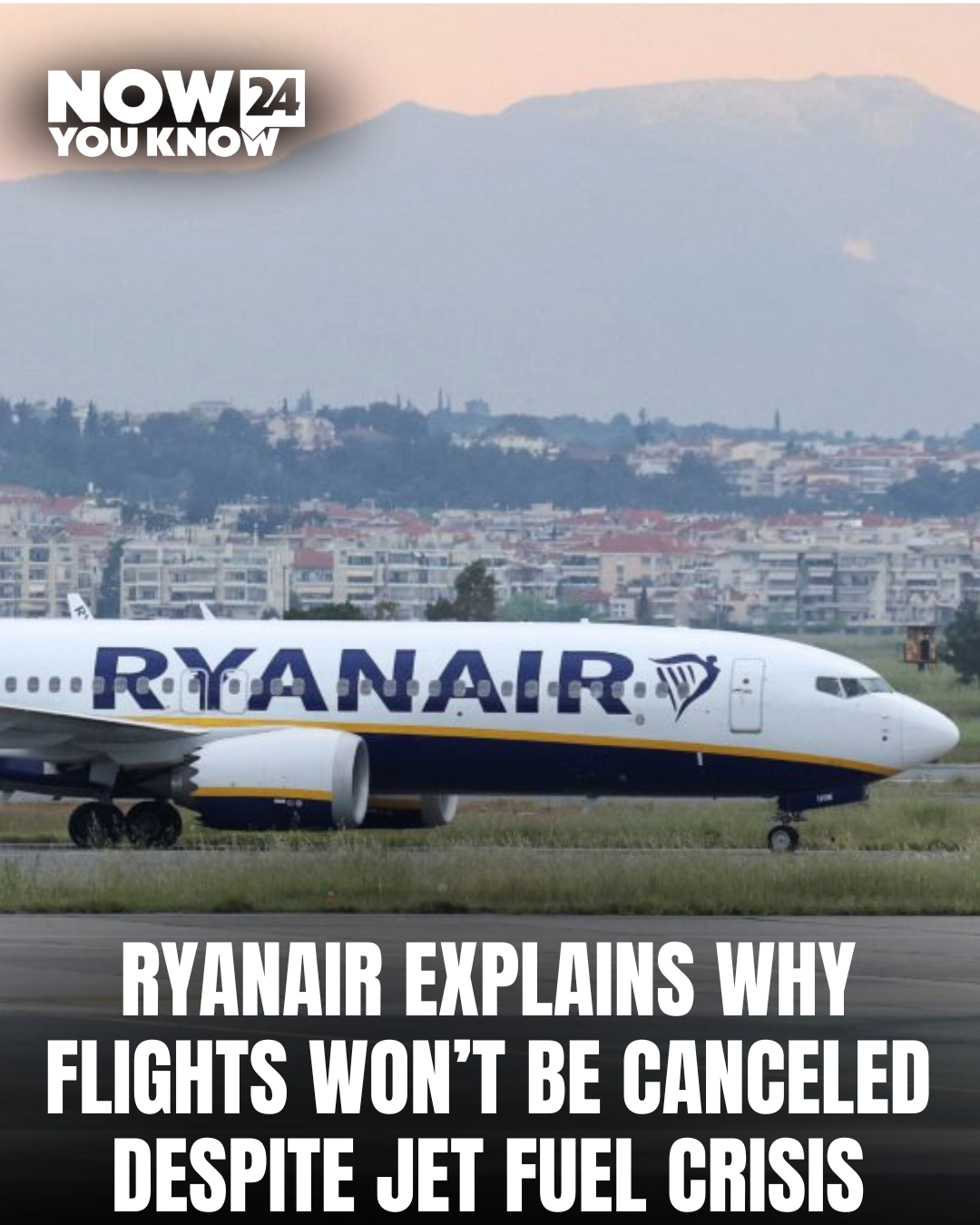

Ryanair says passengers should not expect widespread cancellations linked to the ongoing jet fuel crisis or tensions surrounding the Strait of Hormuz in the Middle East.
The reassurance came as the airline released its latest financial results, with executives explaining that a long-term fuel strategy has helped shield the company from major market disruptions.
Ryanair Locked In Fuel Prices Early
According to Ryanair Group CEO Michael O’Leary, the airline has already secured around 80 percent of its jet fuel needs through April 2027 at fixed prices.
This practice, known as fuel hedging, allows airlines to lock in prices ahead of time instead of paying fluctuating market rates.
Industry analysts say the move could save the airline significant costs as global oil prices remain volatile due to geopolitical tensions.
Strait of Hormuz Concerns Raised Fears Across Aviation Industry
The Strait of Hormuz is one of the world’s most important shipping routes for oil and fuel exports, and recent instability in the region has raised concerns about potential supply disruptions.
However, Ryanair executives said Europe continues receiving jet fuel from multiple regions, including West Africa, Norway, and the Americas, reducing reliance on any single route.
Airline Expects Full Summer and Winter Schedule
Ryanair’s finance chief Neil Sorahan said the company currently expects to operate its complete summer schedule without disruption.
He also suggested the airline remains confident heading into winter operations, despite broader uncertainty in global energy markets.
Passenger Numbers and Revenue Continue Rising
The airline revealed that passenger numbers increased from roughly 200 million to more than 208 million over the last financial year.
Revenue also climbed significantly, reflecting continued demand for budget travel across Europe despite higher living costs and travel expenses.
Fuel Strategy Gives Ryanair Competitive Edge
Aviation experts say Ryanair’s aggressive fuel hedging strategy could help the airline maintain lower ticket prices than some competitors if fuel costs continue rising.
The company has historically used long-term fuel agreements to stabilize operations during periods of market instability.
Executives Still Preparing for Worst-Case Scenarios
Despite the optimistic outlook, Ryanair executives acknowledged that contingency plans remain in place for potential large-scale disruptions if geopolitical tensions worsen unexpectedly.
Still, company leaders stressed that they do not currently expect severe interruptions to passenger travel.