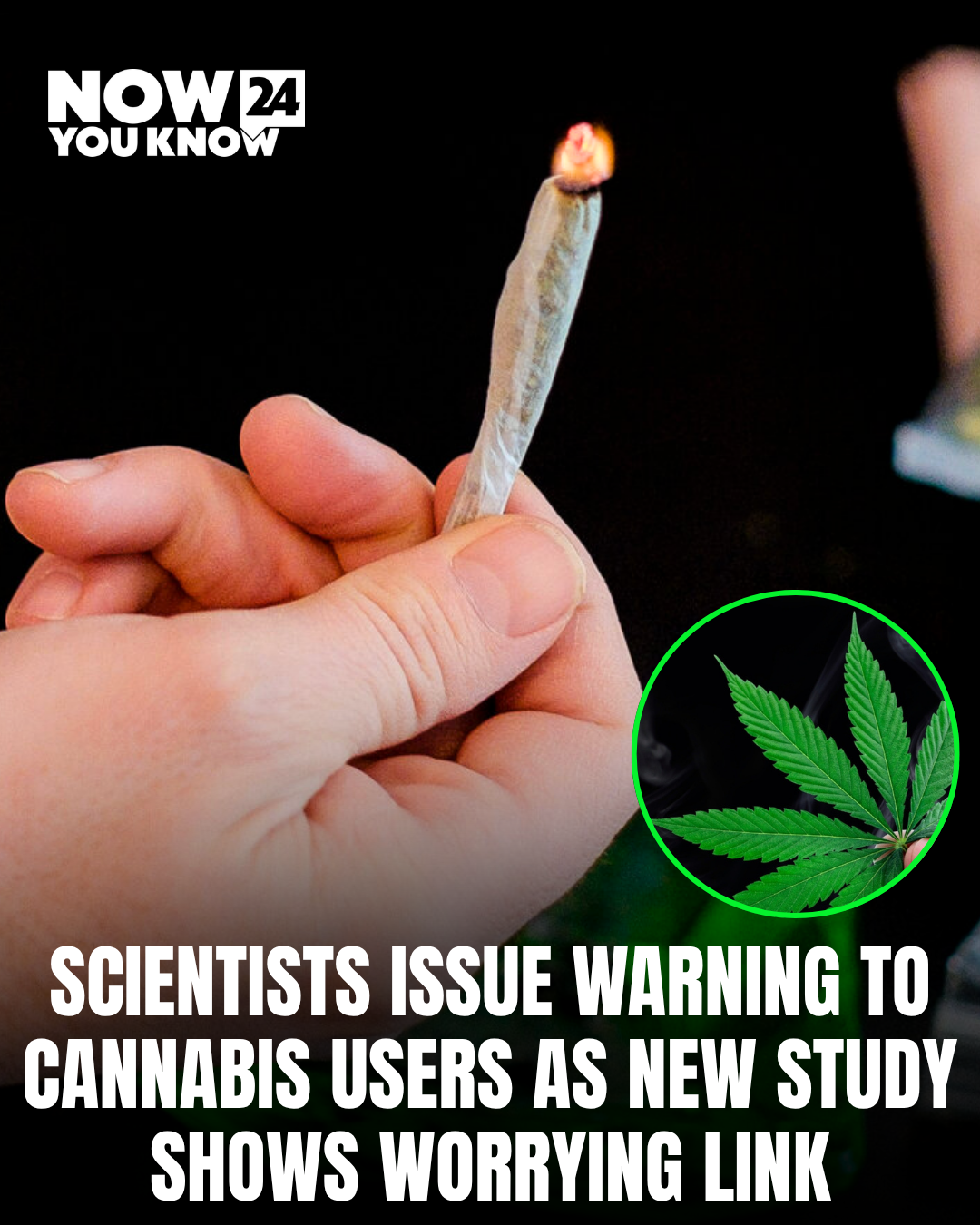

A major international review involving more than 3.2 million people has found a strong connection between cannabis use disorder and major depressive disorder, raising new questions about how the two conditions may influence one another.
Researchers analyzed data from 55 previous studies and discovered that people struggling with problematic cannabis use were significantly more likely to experience depression, while those with depression were also more likely to develop cannabis use disorder.
What the Research Found
The review found that nearly 32% of individuals with cannabis use disorder (CUD) also had major depressive disorder (MDD).
At the same time, just over 10% of people diagnosed with major depression were found to have cannabis use disorder. Both figures are substantially higher than rates seen in the general population.
Researchers say the findings highlight a strong association between the two conditions, even though the exact nature of the relationship remains unclear.
Which Condition Comes First?
One of the biggest unanswered questions is whether heavy cannabis use contributes to depression or whether people with depression are more likely to use cannabis as a form of self-medication.
Scientists also suggest there may be underlying genetic, environmental or biological factors that increase the risk of both conditions at the same time.
Because the review examined existing studies rather than following participants over many years, it cannot determine direct cause and effect.
Why It Matters
Cannabis use disorder is more than occasional marijuana use. The condition involves a problematic pattern of use that may include cravings, withdrawal symptoms, increased tolerance and difficulty stopping despite negative consequences.
Major depressive disorder is a serious mental health condition characterized by persistent sadness, loss of interest in activities, fatigue, sleep disturbances and difficulty concentrating.
Researchers warn that when both conditions occur together, one disorder may be overlooked while healthcare providers focus on treating the other.
Growing Relevance as Cannabis Laws Change
The study comes as cannabis legalization expands in several countries and regions worldwide.
Researchers say understanding the relationship between cannabis use and mental health is becoming increasingly important, particularly as access becomes more widespread and public perceptions continue to evolve.
Potential Treatment Approaches
While evidence for medication-based treatments remains mixed, researchers noted that psychological therapies such as cognitive behavioral therapy and motivational interviewing have shown promising results.
Experts believe future studies could help identify more effective strategies for treating individuals affected by both depression and cannabis use disorder.
As scientists continue to investigate the connection, the findings serve as a reminder that mental health and substance use issues often overlap and may require a combined treatment approach.