
A Healthy Diabetes Diet Starts With Balance, Not Restriction
If you’ve been diagnosed with diabetes, you may wonder if you have to give up all of your favorite foods. The good news is that there isn’t one special “diabetes diet.” Instead, experts recommend eating a balanced, nutrient-rich diet that helps keep blood sugar levels steady while supporting your overall health.
The key is choosing foods that provide lasting energy, plenty of fiber, and heart-healthy nutrients while limiting highly processed foods, added sugars, and excessive saturated fat.
Fill Your Plate With Fruits and Vegetables
Fruits and vegetables are packed with vitamins, minerals, antioxidants, and fiber that support overall health.
Despite the natural sugar found in fruit, whole fruits are generally a healthy choice because their fiber helps slow digestion. Fresh, frozen, canned (without added sugar), and dried fruits can all fit into a balanced eating plan when enjoyed in appropriate portions.
Experts recommend aiming for at least five servings of fruits and vegetables each day, choosing a variety of colorful options to maximize nutrition.
Choose Smarter Carbohydrates
Carbohydrates have the biggest impact on blood sugar because they’re broken down into glucose during digestion. That doesn’t mean you should avoid them altogether.
Instead, choose high-fiber, whole-grain carbohydrates that digest more slowly, such as:
- Whole-grain bread
- Brown rice
- Oats
- Whole-wheat pasta
- Sweet potatoes
- Quinoa
These foods often help provide steadier energy than refined carbohydrates like white bread, white rice, and sugary cereals.
Make Protein Part of Every Meal
Protein helps keep you full, supports muscle health, and has less impact on blood sugar than many carbohydrate-rich foods.
Healthy protein choices include:
- Fish, especially oily fish like salmon or sardines
- Skinless chicken or turkey
- Eggs
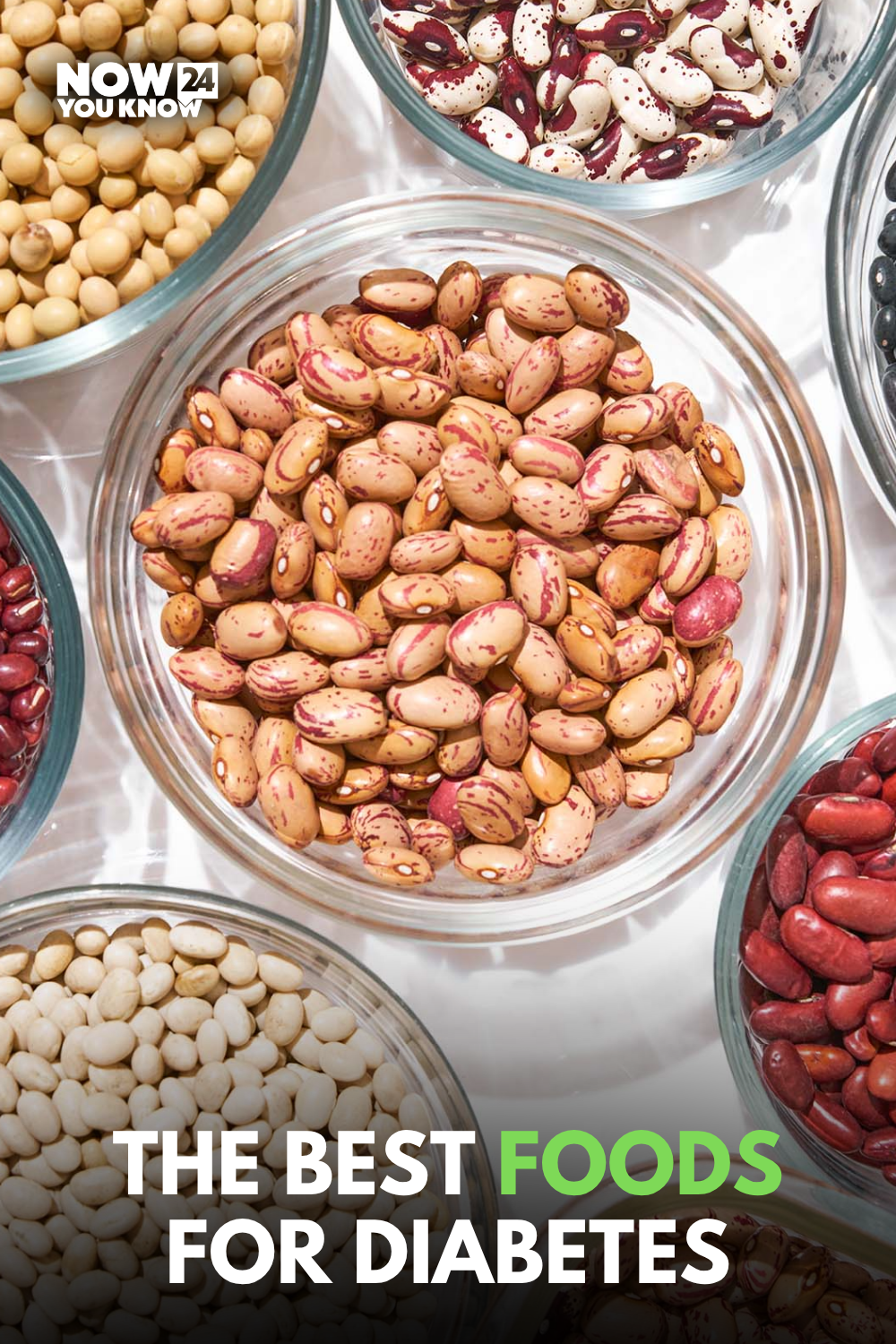
- Beans and lentils
- Tofu
- Nuts and seeds
Experts also recommend limiting processed meats and reducing intake of red meat when possible to support heart health.
Don’t Forget Dairy or Fortified Alternatives
Milk, yogurt, and cheese provide important nutrients such as calcium and protein.
If you choose yogurt, look for plain, unsweetened varieties and add fresh berries or fruit for natural sweetness. Plant-based alternatives can also be good choices if they’re unsweetened and fortified with calcium and vitamin D.
Choose Healthy Fats
Not all fats are the same.
Replacing saturated fats with healthier unsaturated fats may help support heart health, which is especially important because diabetes increases the risk of cardiovascular disease.
Good choices include:
- Olive oil
- Avocados
- Nuts
- Seeds
- Natural nut butters
Limiting foods high in saturated fat, such as heavily processed snacks, fried foods, and excessive butter, can also be beneficial.
Limit Sugary and Highly Processed Foods
Foods high in added sugar, salt, and unhealthy fats can make blood sugar management more difficult and may increase the risk of heart disease.
Rather than focusing on complete restriction, many dietitians recommend enjoying treats occasionally while building most meals around whole, minimally processed foods. Drinking water, unsweetened tea, or coffee instead of sugary beverages is another simple way to reduce added sugar.
The Bottom Line
Managing diabetes doesn’t require a complicated or restrictive diet. A healthy eating pattern built around vegetables, whole fruits, whole grains, lean proteins, healthy fats, and high-fiber foods can help support stable blood sugar levels while improving overall health.
Everyone’s nutritional needs are different, so it’s always a good idea to work with your healthcare provider or a registered dietitian to create a meal plan that’s right for you. Small, consistent changes often make the biggest difference over time.