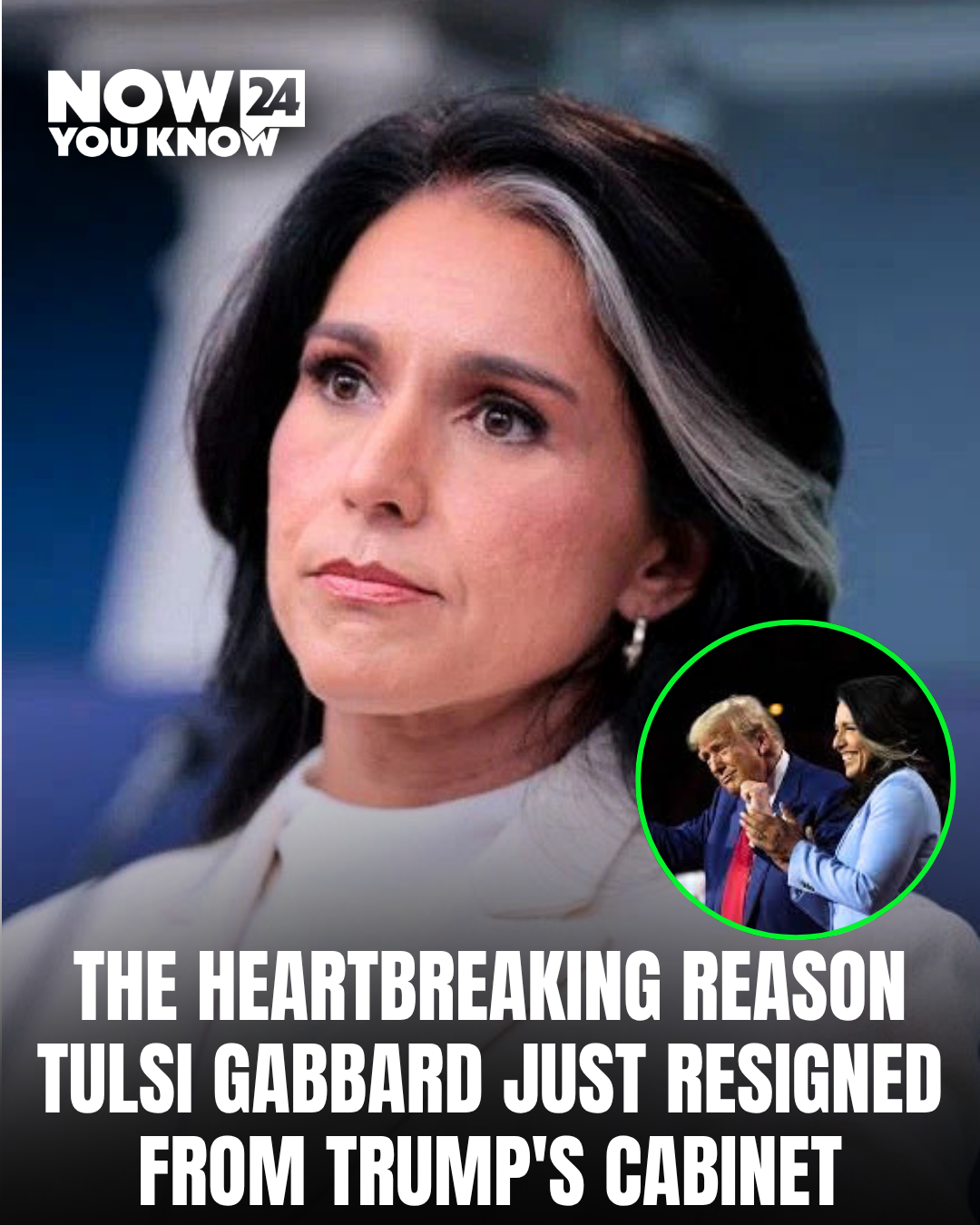

Tulsi Gabbard has announced her resignation as the head of the Office of the Director of National Intelligence, saying she is stepping down due to her husband’s recent diagnosis with a rare form of bone cancer.
Gabbard confirmed on May 22 that her resignation will take effect on June 30, 2026, marking the end of her tenure overseeing the coordination of U.S. intelligence agencies.
Emotional resignation statement
In a message posted on X, Gabbard directly addressed her decision, writing:
“Unfortunately, I must submit my resignation, effective June 30, 2026. My husband, Abraham, has recently been diagnosed with an extremely rare form of bone cancer.”
She added in a resignation letter to President Donald Trump that she was “deeply grateful” for the opportunity to lead the intelligence community and pledged to ensure a smooth transition of leadership.
Gabbard also described her husband, Abraham Williams, as her “rock,” saying:
“I cannot in good conscience ask him to face this fight alone while I continue in this demanding and time-consuming position.”
Leadership role over U.S. intelligence agencies
As director of the Office of the Director of National Intelligence, Gabbard has overseen coordination among 18 U.S. intelligence agencies during a politically sensitive period marked by internal restructuring and public scrutiny.
Her role placed her at the center of national security decision-making and oversight of intelligence strategy.
Response from Donald Trump
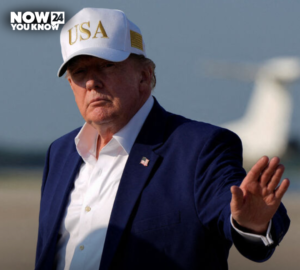
President Donald Trump publicly responded to the resignation, praising Gabbard’s work and expressing support for her and her family.
He said she had “done an incredible job” and would be missed in her role, while confirming that Deputy Director Aaron Lukas would serve as acting director during the transition.
Political background and career
Before leading the intelligence community, Gabbard served as a U.S. Army Reserve officer and represented Hawaii in Congress from 2013 to 2021. She was the first American Samoa native elected to the U.S. House of Representatives.
Her political career has been marked by both bipartisan attention and controversy, particularly surrounding her foreign policy positions and criticism of U.S. intervention abroad.
Tenure marked by scrutiny
During her time as intelligence chief, Gabbard faced political criticism from opponents who questioned some of her decisions and broader reforms within the intelligence community.
Supporters, however, highlighted her emphasis on transparency and efforts to reshape internal intelligence practices.
Transition ahead
Gabbard has said she is committed to ensuring a smooth leadership transition as she prepares to leave office. Officials have not yet announced a permanent replacement for her position.
Her resignation marks a significant change in leadership within the U.S. intelligence structure at a time of ongoing global security concerns.