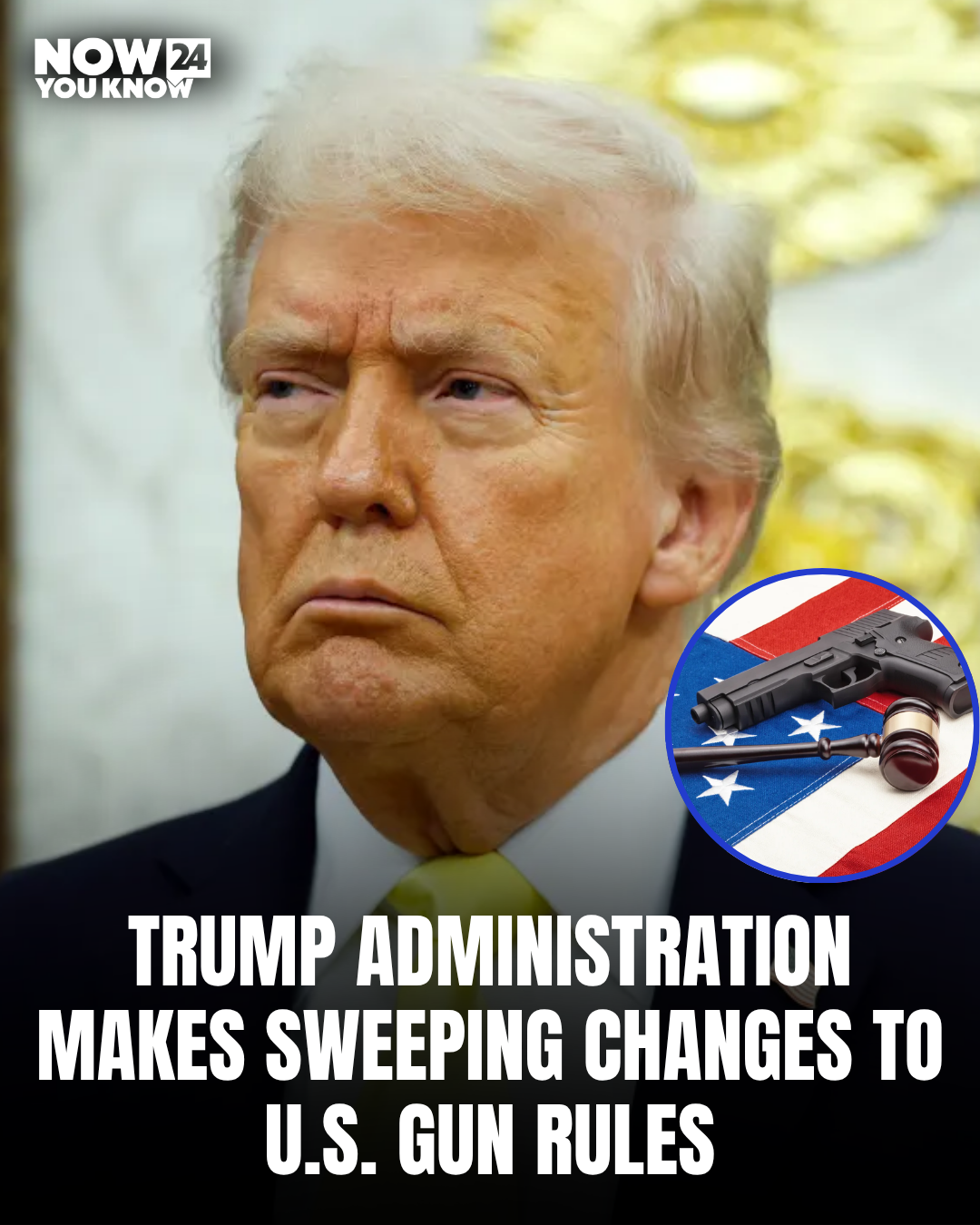

The Trump administration is moving to eliminate more than three dozen federal firearms regulations, marking one of the most significant shifts in U.S. gun policy in years. The proposed changes would reverse several measures introduced during the Biden administration and reshape how the Bureau of Alcohol, Tobacco, Firearms and Explosives (ATF) oversees firearms sales and ownership.
Major changes target Biden-era policies
Among the biggest changes is the end of the ATF’s zero-tolerance policy for licensed gun dealers. The policy, introduced under former President Joe Biden, allowed regulators to revoke the licenses of dealers who repeatedly violated federal gun laws, including failing to conduct background checks or keeping inaccurate records.
The administration also plans to ease restrictions on certain firearm accessories, reduce oversight of some private gun sales, and modify rules that determine when a dealer’s license can be revoked. Officials say the changes are designed to provide greater clarity for lawful gun owners and firearms businesses.
Mental health and gun rights also affected
Another proposal would restore gun rights to some individuals who had previously faced restrictions due to mental health or financial guardianship issues.
Supporters argue the changes would protect the Second Amendment rights of Americans who should not automatically lose their ability to own firearms. Critics, however, warn that easing these restrictions could create new public safety risks if individuals with serious mental health concerns gain easier access to guns.
Supporters and critics clash
Gun rights organizations have welcomed many of the proposals, saying they reverse what they view as excessive regulations imposed in recent years. Industry representatives argue the rules will make compliance easier for licensed dealers while protecting constitutional rights.
Gun control advocates strongly disagree. Several organizations say reducing federal oversight could make it easier for firearms to end up in the hands of prohibited buyers and weaken the ATF’s ability to enforce existing laws.
Legal challenges expected
The administration is also challenging several state gun laws, including restrictions on certain semiautomatic firearms and handgun sales. Those legal battles are expected to continue as both sides argue over the balance between constitutional rights and public safety.
Many of the proposed federal rule changes are still undergoing the formal regulatory process, meaning they are not yet in effect. Public comment periods and possible court challenges could influence how quickly the new policies are implemented.
A major shift in U.S. gun policy
The proposals reflect President Donald Trump’s long-standing promise to support gun owners and reduce federal regulation of firearms. If finalized, they would represent one of the largest rollbacks of federal gun regulations in recent history and could significantly reshape how firearms are regulated across the United States.