
The Trump administration has reportedly paused its recent military strikes on Iran after nearly two weeks of consecutive operations, as senior officials raised concerns about the potential consequences of a broader conflict. According to multiple reports, discussions inside the White House focused on balancing military pressure with the risks of regional escalation.
Top Officials Voice Concerns
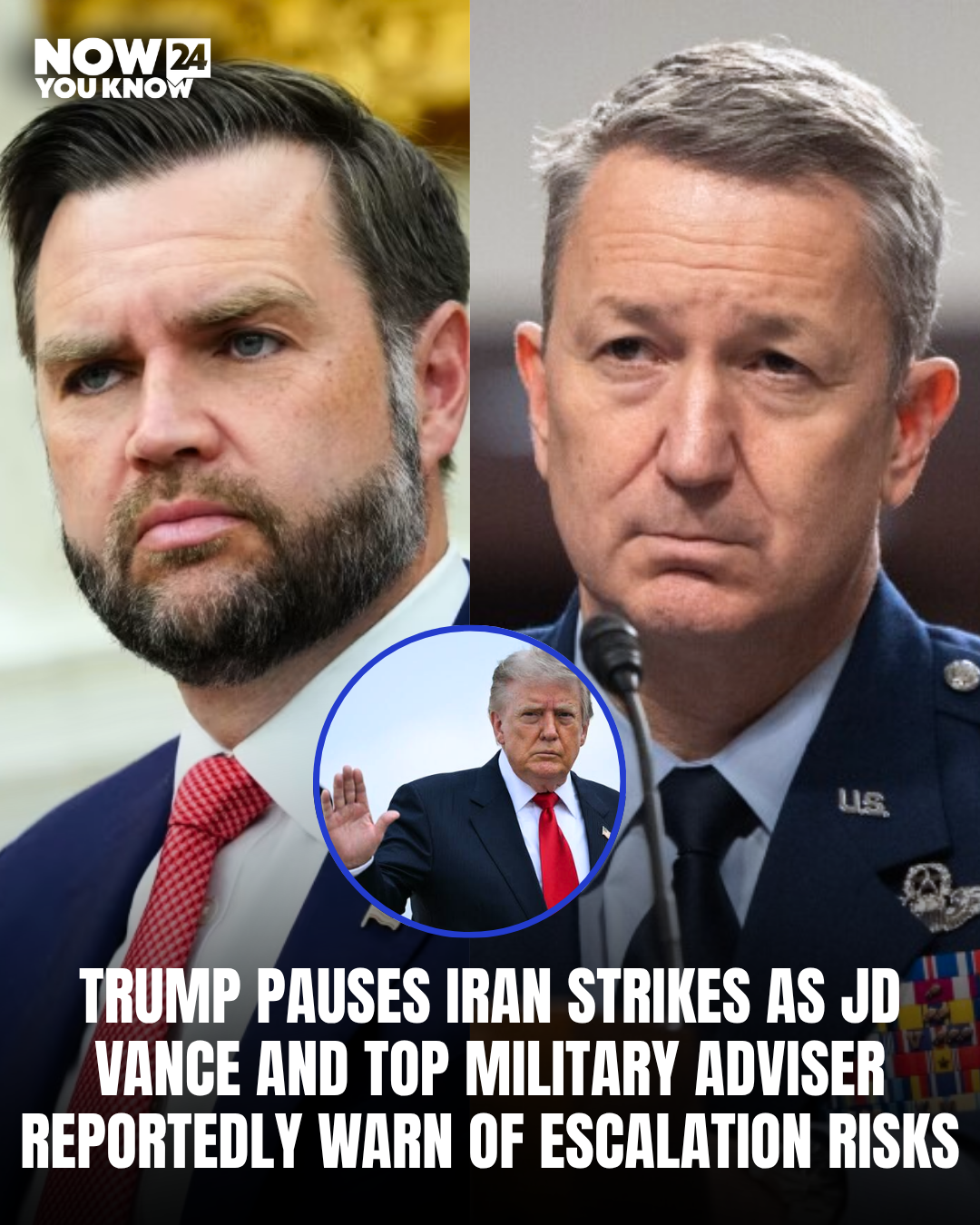
During a White House meeting on Friday, Vice President JD Vance and Chairman of the Joint Chiefs of Staff Gen. Dan Caine reportedly cautioned against expanding military operations. Officials discussed several issues, including the impact on U.S. weapons stockpiles, the possibility of civilian casualties, and the broader consequences of a prolonged conflict.
Military Operations Put on Hold
A Department of Defense source told CNN that current offensive operations have been placed “on hold.” While no official reason has been confirmed for the pause, reports suggest the administration is reassessing its next steps as diplomatic and military options remain under consideration.
Diplomacy Still on the Table
The White House emphasized that President Donald Trump continues to favor a diplomatic solution if Iran is willing to negotiate. At the same time, officials stressed that all military options remain available should Iran threaten U.S. interests or its regional allies.
White House Communications Director Steven Cheung said the administration believes Iran should pursue negotiations following weeks of sanctions and military pressure, while warning that further aggression could prompt additional action.
Growing Concerns Over Military Resources
Another major topic during the discussions was the condition of U.S. munitions stockpiles. Defense officials have previously acknowledged that military support for Ukraine, along with operations in the Middle East, has increased demand for key weapons systems. Although Pentagon officials maintain the U.S. military remains fully capable of responding to global threats, replenishing inventories has become an ongoing priority.
Political Debate Intensifies
The administration’s strategy has also sparked debate in Washington. Some lawmakers argue that continued military action could increase instability across the Middle East, while others believe maintaining pressure on Iran strengthens U.S. deterrence. These differing views reflect the broader national discussion over how to balance military readiness, diplomacy, and long-term regional security.
What’s Next?
At this stage, it remains unclear whether the pause in strikes is temporary or signals a shift toward renewed negotiations. President Trump has indicated that discussions with Iran are continuing, while also stating that stronger military action remains possible if diplomatic efforts fail. The coming days are expected to provide a clearer picture of the administration’s strategy.