




Trade tensions remain high as negotiations continue
Ontario’s representative in Washington says President Donald Trump’s latest tariff threat may be a sign that Canada’s retaliatory trade measures are beginning to influence U.S. policymakers.
David Paterson said recent comments from the Trump administration suggest officials are paying close attention to the economic effects of Canada’s response to the ongoing trade dispute.
Retaliatory measures draw attention
Paterson pointed to the administration’s own fact sheet, which cited a sharp decline in U.S. auto exports to Canada as one of the reasons behind the proposed tariffs.
He argued that the acknowledgment shows Canada’s countermeasures are being noticed, creating an opportunity for more meaningful negotiations between the two countries.
New tariffs could arrive this month
The Trump administration has proposed imposing 50% tariffs on hundreds of Canadian products, with the measures expected to take effect unless an agreement is reached.
Canada continues to maintain retaliatory tariffs on several U.S. goods, including certain automobiles, auto parts, steel, and aluminum, while other measures have already been lifted.
Leaders push for a negotiated solution
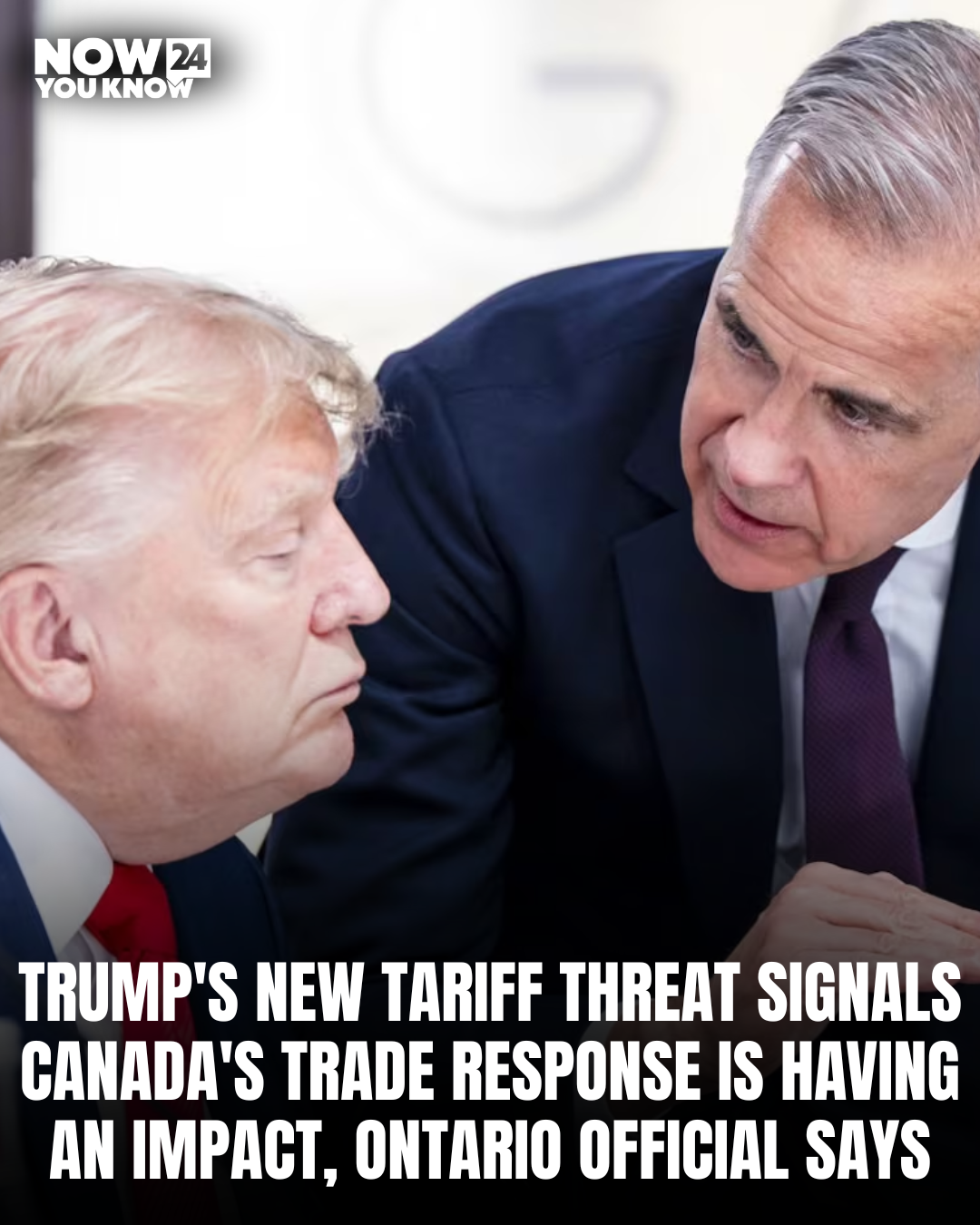
Prime Minister Mark Carney said he recently spoke with President Trump and that both leaders agreed to intensify trade discussions ahead of the proposed tariff deadline.
Canadian officials say they are preparing possible responses if the tariffs move forward but remain focused on reaching a negotiated agreement.
Business and labor groups urge cooperation
The latest developments have also drawn concern from labor organizations on both sides of the border.
Major U.S. unions representing steelworkers and aerospace workers have urged American trade officials to avoid further escalating tensions, arguing that Canada and the United States should work together to address broader global trade challenges.
What’s next?
With negotiations continuing, both governments face growing pressure to prevent additional tariffs that could disrupt industries, increase costs for businesses, and affect jobs across North America.
Whether the two sides can reach a compromise before the proposed tariffs take effect could shape the future of one of the world’s largest trading relationships.