
Fighting Escalates After Fragile Pause
A temporary reduction in fighting between the United States and Iran has unraveled after both sides launched fresh military actions, raising concerns that the conflict could expand across the Middle East.
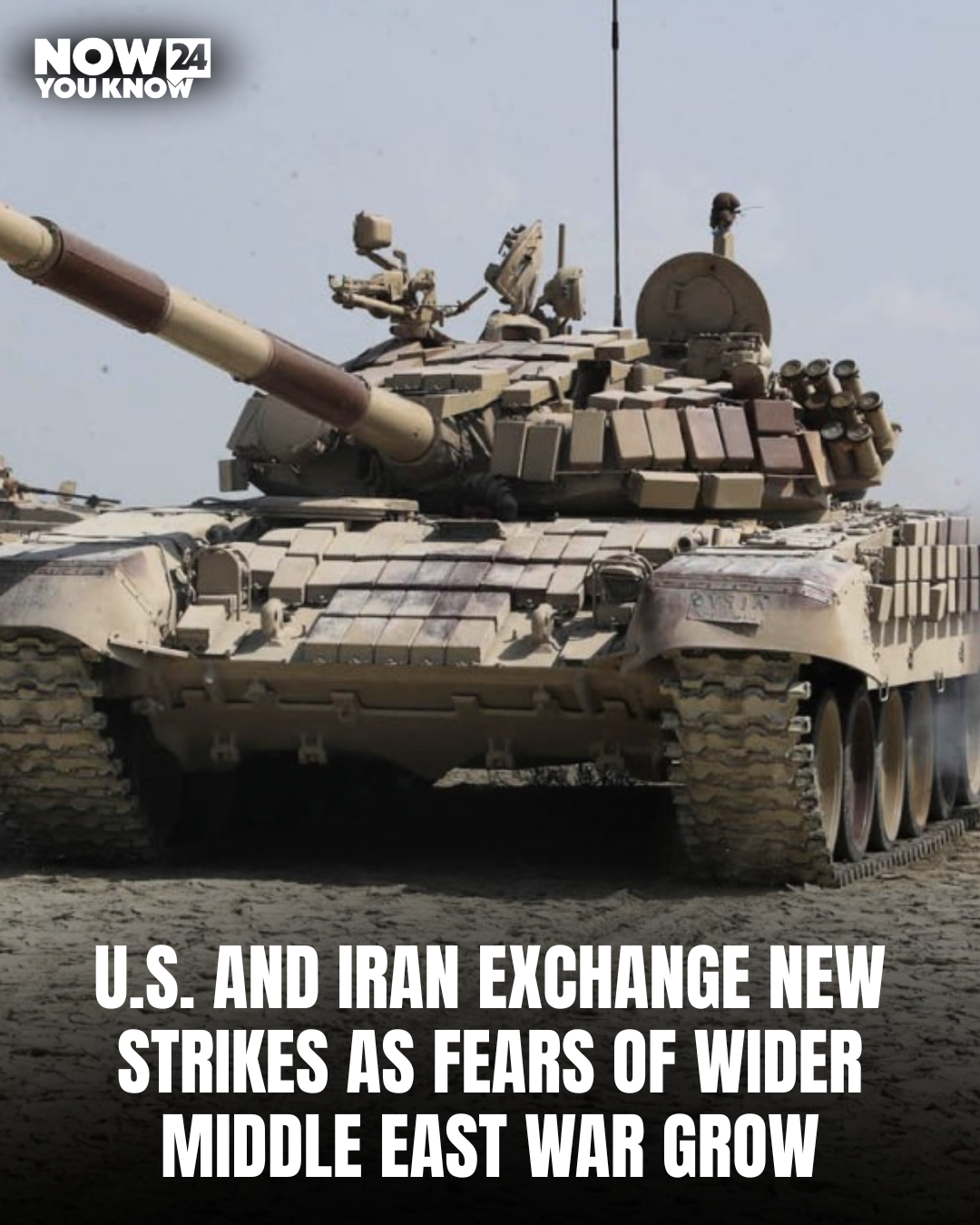
According to reports, U.S. forces carried out strikes targeting Iranian military infrastructure, while Iran responded with attacks aimed at regional locations linked to U.S. allies. The renewed violence has increased uncertainty over regional security and global energy markets.
Strategic Waterway Back in Focus
Much of the latest tension centers on the Strait of Hormuz, one of the world’s most important shipping routes for oil and natural gas. Roughly 20% of global seaborne oil passes through the narrow waterway, making any disruption significant for international markets.
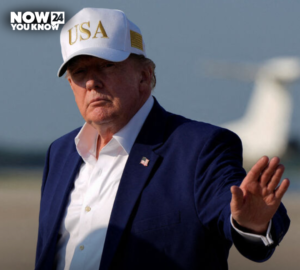
President Donald Trump also announced plans to restore a U.S. maritime blockade targeting Iran and suggested charging commercial vessels for security escorts through the strait. The proposal marks a significant shift from previous U.S. policy, though analysts note that implementing such measures would require substantial military resources.
Iran and Regional Allies Respond
The U.S. military said its strikes targeted missile sites, drone facilities, coastal defense systems, and other military assets. Iranian officials acknowledged the attacks but did not immediately release a full assessment of casualties or damage.
Meanwhile, reports indicated that missiles and drone attacks affected parts of the Gulf region, while commercial vessels traveling near the Strait of Hormuz also came under attack. Several countries have increased security measures as the situation remains highly volatile.
Airlines and Global Markets React
The renewed conflict has prompted aviation authorities to warn airlines about increased risks in the region. Carriers have been advised to avoid portions of the airspace over several Gulf countries due to the possibility of missile launches and military activity.
Oil prices also climbed following the latest developments, reflecting investor concerns that prolonged instability around the Strait of Hormuz could disrupt global energy supplies and increase transportation costs.
Diplomatic Efforts Continue
Despite the renewed military exchanges, diplomatic efforts have not completely stopped. Regional mediators are reportedly continuing talks aimed at restoring a ceasefire and preventing a broader regional conflict.
Officials say negotiations remain difficult, with both military operations and political discussions unfolding simultaneously. Whether diplomacy can regain momentum may determine if the crisis stabilizes or escalates further.
An Uncertain Road Ahead
The latest exchange highlights how quickly tensions can reignite despite ongoing negotiations. With military activity continuing and international attention focused on the Gulf, governments around the world are closely monitoring whether the conflict moves toward diplomacy or a wider confrontation.