


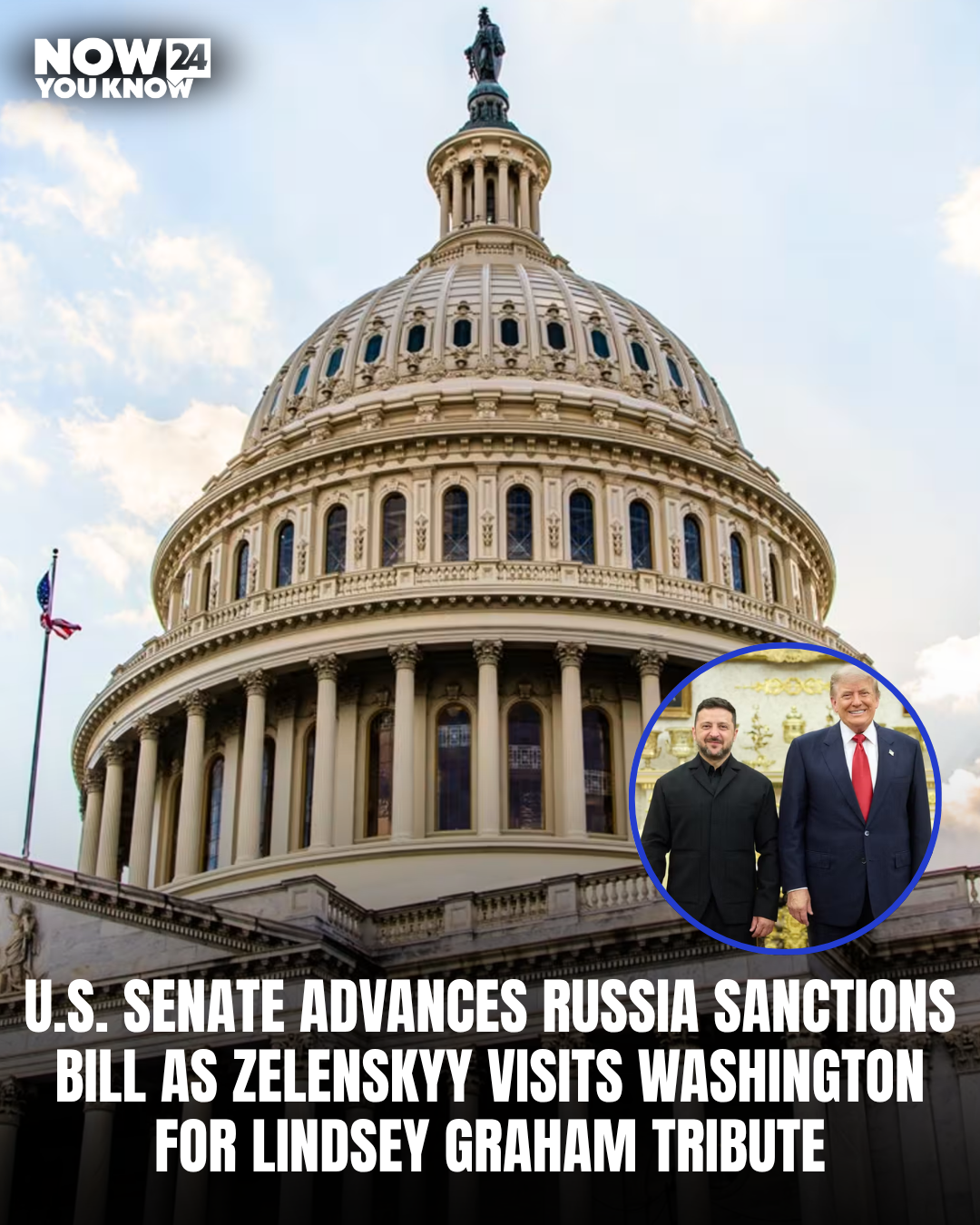

The U.S. Senate has taken a major step toward approving new sanctions targeting Russia’s energy sector, advancing bipartisan legislation designed to increase economic pressure on Moscow as the war in Ukraine continues.
The procedural vote came as Ukrainian President Volodymyr Zelenskyy visited Washington to attend the funeral of late Senator Lindsey Graham, a longtime supporter of Ukraine who helped champion the legislation.
Senate Moves Bill Forward
Senators voted 86-12 to advance the bill, allowing it to move to further debate before a final Senate vote. If approved, the legislation will then head to the House of Representatives, where lawmakers are expected to consider it after returning from their congressional recess.
The measure has received bipartisan support, although some lawmakers continue to debate how much authority it would give the president over future sanctions and tariffs.
What the Bill Would Do
The proposal would expand sanctions against Russian officials, energy companies, financial institutions, and organizations accused of helping Moscow avoid existing restrictions.
It would also authorize President Donald Trump to impose tariffs of up to 100% on imports from countries that continue purchasing significant amounts of Russian oil, natural gas, or uranium. Earlier versions of the bill proposed tariffs as high as 500%, but that figure was reduced during negotiations.
Supporters Say More Pressure Is Needed
Supporters argue the legislation would strike at one of Russia’s most important sources of revenue by targeting energy exports that help finance the war in Ukraine.
The bill also includes additional sanctions related to Iran, reflecting broader U.S. concerns about regional security and international sanctions enforcement.
Some Lawmakers Remain Concerned
While many Democrats support stronger sanctions against Russia, some have expressed concerns that the legislation would expand presidential tariff powers without sufficient congressional oversight.
Critics also warn that higher tariffs could affect major U.S. trading partners that continue importing Russian energy, including countries such as China and India, potentially creating wider economic consequences.
Zelenskyy Welcomes the Vote
During his visit to Washington, Zelenskyy thanked American lawmakers for advancing the legislation, saying stronger sanctions would increase pressure on Russia while demonstrating continued U.S. support for Ukraine.
The Ukrainian president also attended ceremonies honoring Lindsey Graham, who spent years advocating for tougher measures against Moscow and remained one of Kyiv’s strongest allies in Congress.