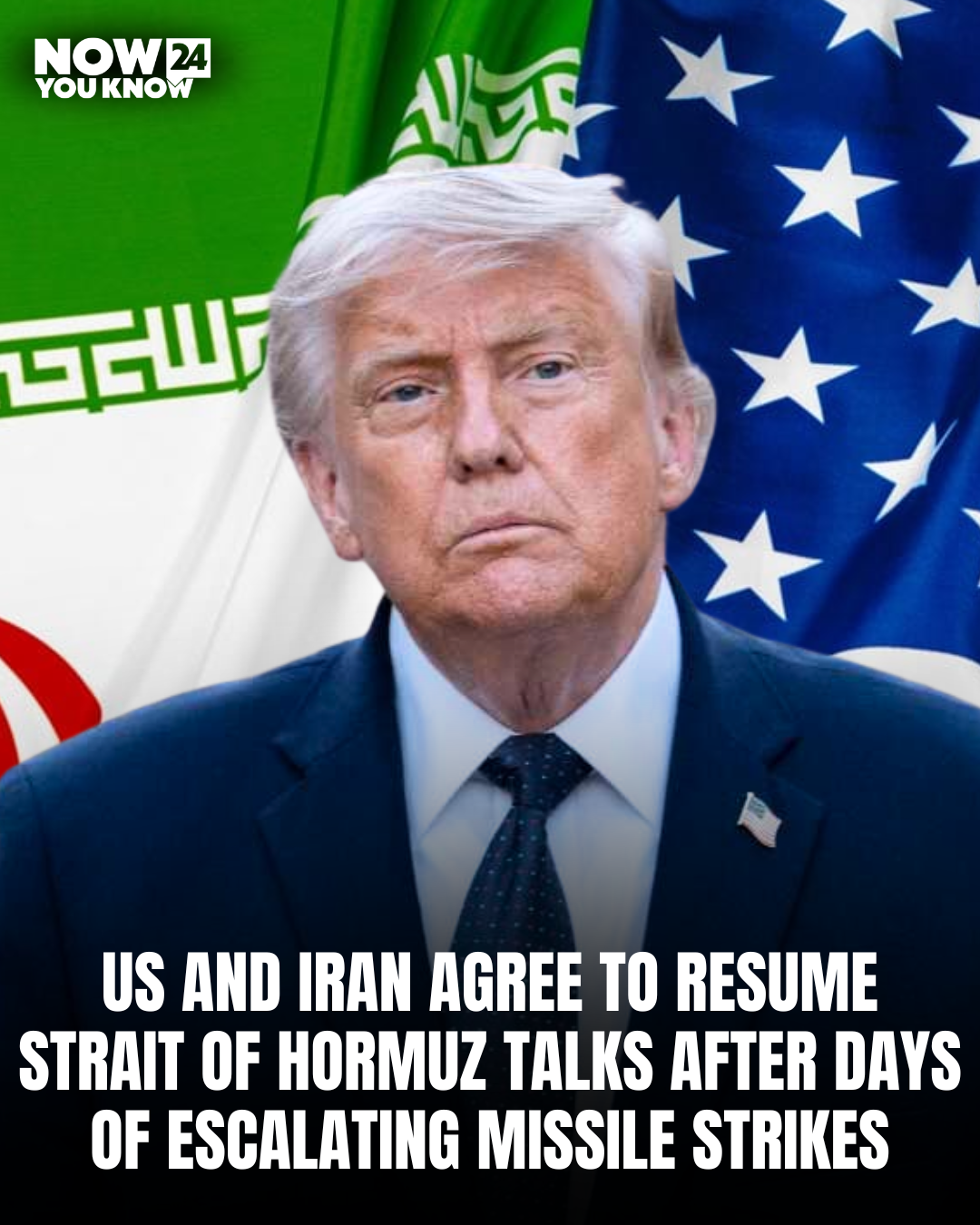

The United States and Iran have agreed to halt recent hostilities in the Gulf and resume negotiations over the Strait of Hormuz, offering a glimmer of hope after several days of missile exchanges threatened to derail a fragile interim peace agreement.
Diplomacy Back on the Table
A US official said both sides had agreed to “stand down for now” while technical discussions continue on a 14-point memorandum of understanding signed on June 17. The agreement is intended to keep the Strait of Hormuz open to commercial shipping while broader negotiations move forward. According to multiple reports, the next round of talks is expected to take place in Qatar on Tuesday.
Fighting Raised Fears of Wider Conflict
The renewed diplomatic push follows days of escalating military action after an Iranian projectile struck a cargo vessel in the Strait of Hormuz. Iran and the US accused each other of violating the interim ceasefire, while Iran later launched missiles and drones at US military facilities in Kuwait and Bahrain. US officials said there were no reported American casualties or significant damage.
Trump Issues Stark Warning
Before news of the renewed talks emerged, President Donald Trump warned that the US could intensify military action if Iran failed to uphold the agreement. His comments came as US forces reportedly carried out additional strikes against Iranian targets following attacks on shipping in the Gulf.
Regional Tensions Remain High
The broader Middle East conflict continues to complicate the peace effort. Israel said it struck Hezbollah infrastructure in southern Lebanon over the weekend, while Iranian officials have argued that lasting stability depends on ending the fighting involving Iran-backed groups across the region.
Why the Strait of Hormuz Matters
The Strait of Hormuz is one of the world’s most important energy corridors, with a significant share of global oil and liquefied natural gas shipments passing through the narrow waterway. Any disruption can quickly impact international energy markets, making diplomatic progress closely watched by governments and investors alike.
What Happens Next?
While the agreement to resume talks marks a positive step, officials have cautioned that the situation remains fragile. The upcoming negotiations are expected to focus on maritime security, implementation of the existing memorandum, and broader issues including Iran’s nuclear program. Whether both sides can maintain the ceasefire will likely determine if a longer-term agreement is achievable.