




Weight Loss Isn’t Always the Same as Fat Loss
Stepping on the scale and seeing a lower number can feel like a victory, but that number doesn’t tell the whole story. Many people assume losing weight automatically means losing body fat. In reality, the weight you lose can come from fat, muscle, or even water.
Health experts say that understanding the difference is important because fat loss, not simply weight loss, is what offers the greatest long-term health benefits.
What’s the Difference?
Weight loss refers to any reduction in body weight. That could include:
- Body fat
- Muscle mass
- Water weight
Fat loss, on the other hand, specifically means reducing stored body fat while preserving as much lean muscle as possible.
While both may lower the number on the scale, fat loss is generally considered the healthier and more sustainable goal.
Why Preserving Muscle Matters
Muscle does much more than help you look toned.
Lean muscle plays an important role in metabolism, helping your body burn calories even while you’re resting. It also supports strength, balance, blood sugar regulation, and healthy aging.
If you lose too much muscle during a diet, your metabolism may slow down, making it easier to regain weight later. That’s one reason why crash diets often lead to frustrating cycles of losing and regaining weight.
How Can You Tell What You’re Losing?
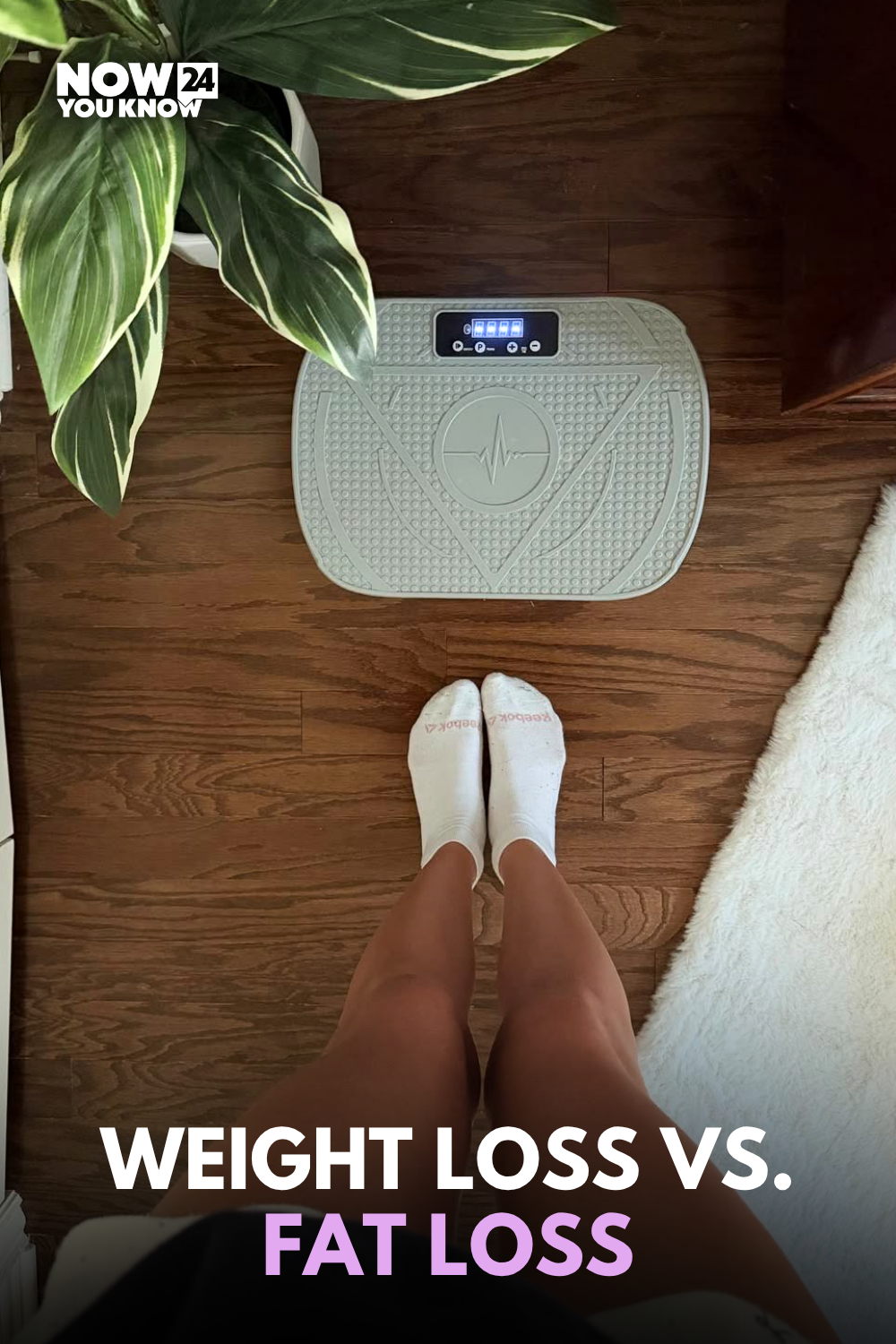
A standard bathroom scale can’t distinguish between fat, muscle, and water.
If you want a clearer picture of your progress, consider using methods that measure body composition, such as:
- A body fat scale
- Skinfold measurements performed correctly
- Professional body composition scans
You can also track changes by measuring your waist, hips, and other body measurements or noticing how your clothes fit over time. Sometimes these changes reveal progress even when the scale barely moves.
How to Lose Fat Without Losing Muscle
Experts recommend focusing on habits that encourage fat loss while protecting lean muscle.
Eat Enough Protein
Protein provides the building blocks your body needs to maintain and repair muscle tissue.
High-protein diets have also been shown to increase fullness, which may make it easier to manage overall calorie intake while helping preserve muscle during weight loss.
Good sources include:
- Lean poultry
- Fish
- Eggs
- Greek yogurt
- Beans and lentils
- Tofu
- Cottage cheese
Include Strength Training
Exercise is one of the most effective ways to protect muscle while losing fat.
Strength training, whether using weights, resistance bands, or bodyweight exercises, signals your body to keep its muscle tissue even during a calorie deficit. Pairing resistance training with regular physical activity and adequate protein may improve results even further.
Health guidelines generally recommend adults aim for at least 150 minutes of moderate physical activity each week, along with muscle-strengthening exercises on two or more days.
Avoid Extreme Dieting
Creating a modest calorie deficit can support healthy fat loss, but drastically cutting calories may increase muscle loss and make it harder to stick with healthy habits over time.
Instead of eliminating entire food groups, focus on eating more:
- Fruits and vegetables
- Whole grains
- Lean proteins
- Healthy fats
At the same time, limiting highly processed foods and sugary drinks can make it easier to reduce excess calories without sacrificing nutrition.
The Bottom Line
The number on the scale is only one measure of progress. Losing body fat while maintaining muscle is generally a healthier goal than simply losing weight as quickly as possible.
By eating enough protein, staying physically active, incorporating strength training, and avoiding overly restrictive diets, you can support long-term fat loss while helping your body stay strong, healthy, and energized.