




If you’ve ever felt a burning sensation rising from your chest after a meal, you’ve likely experienced acid reflux. It’s a common digestive problem that affects millions of people and can range from an occasional annoyance to a chronic condition requiring medical treatment.
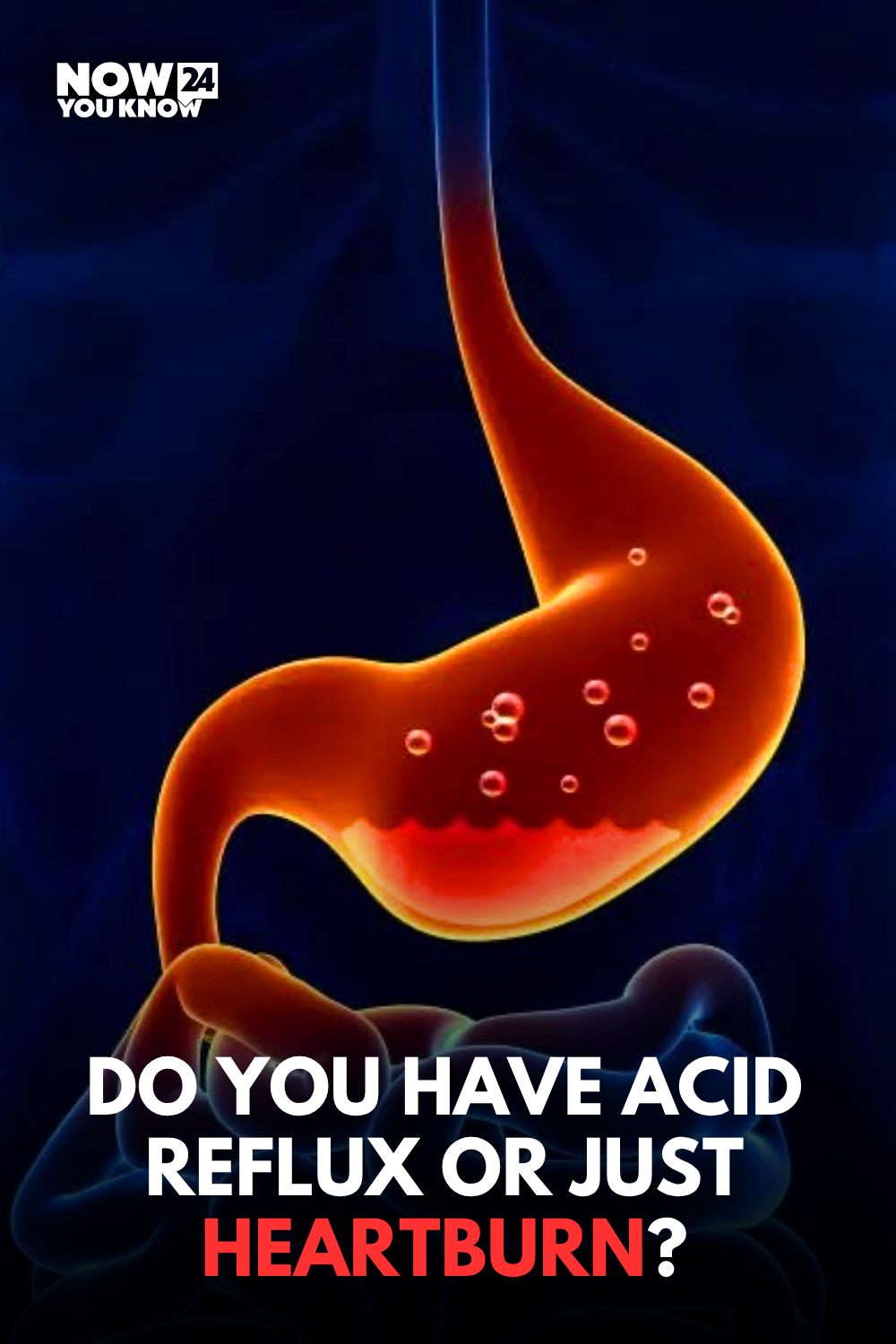
Acid reflux occurs when stomach acid flows back into the esophagus, the tube that carries food from your mouth to your stomach. Normally, a ring of muscle called the lower esophageal sphincter keeps stomach contents where they belong. When this muscle weakens or relaxes at the wrong time, acid can escape upward, causing the familiar burning feeling known as heartburn.
Heartburn is the most common symptom, but it’s not the only one. Some people experience a sour or bitter taste in their mouth, frequent burping, bloating, chronic cough, hoarseness, or a sensation of food sticking in the throat. Symptoms often become worse after eating large meals, lying down shortly after eating, or consuming certain foods and drinks.
Several lifestyle factors can increase the risk of acid reflux. Being overweight, smoking, pregnancy, eating late at night, and consuming foods such as spicy meals, fatty foods, tomatoes, chocolate, caffeine, alcohol, onions, and carbonated drinks may trigger symptoms in some people. Triggers vary from person to person, so keeping a food diary can help identify individual patterns.
If acid reflux occurs frequently—typically more than twice a week—it may be a sign of gastroesophageal reflux disease (GERD). Left untreated, GERD can lead to complications such as inflammation of the esophagus, narrowing of the esophagus, and a condition called Barrett’s esophagus, which can increase the risk of esophageal cancer in a small number of people.
Fortunately, many people find relief through simple lifestyle changes. Eating smaller meals, avoiding food within two to three hours of bedtime, maintaining a healthy weight, quitting smoking, and raising the head of the bed while sleeping may all help reduce symptoms. Over-the-counter antacids can provide quick relief for occasional heartburn, while people with frequent symptoms may benefit from medications that reduce stomach acid, such as H2 blockers or proton pump inhibitors. These medications should be used under the guidance of a healthcare professional, especially if symptoms persist.
Although heartburn is usually caused by acid reflux, chest pain can sometimes signal a more serious condition, including a heart attack. Seek immediate medical attention if chest pain is severe, occurs with shortness of breath, dizziness, sweating, pain spreading to the jaw or arm, or if you’re unsure of the cause.
If you’re relying on heartburn medication regularly or your symptoms aren’t improving, it’s important to speak with a healthcare provider. Early diagnosis and treatment can help prevent complications and keep acid reflux from interfering with your daily life.