




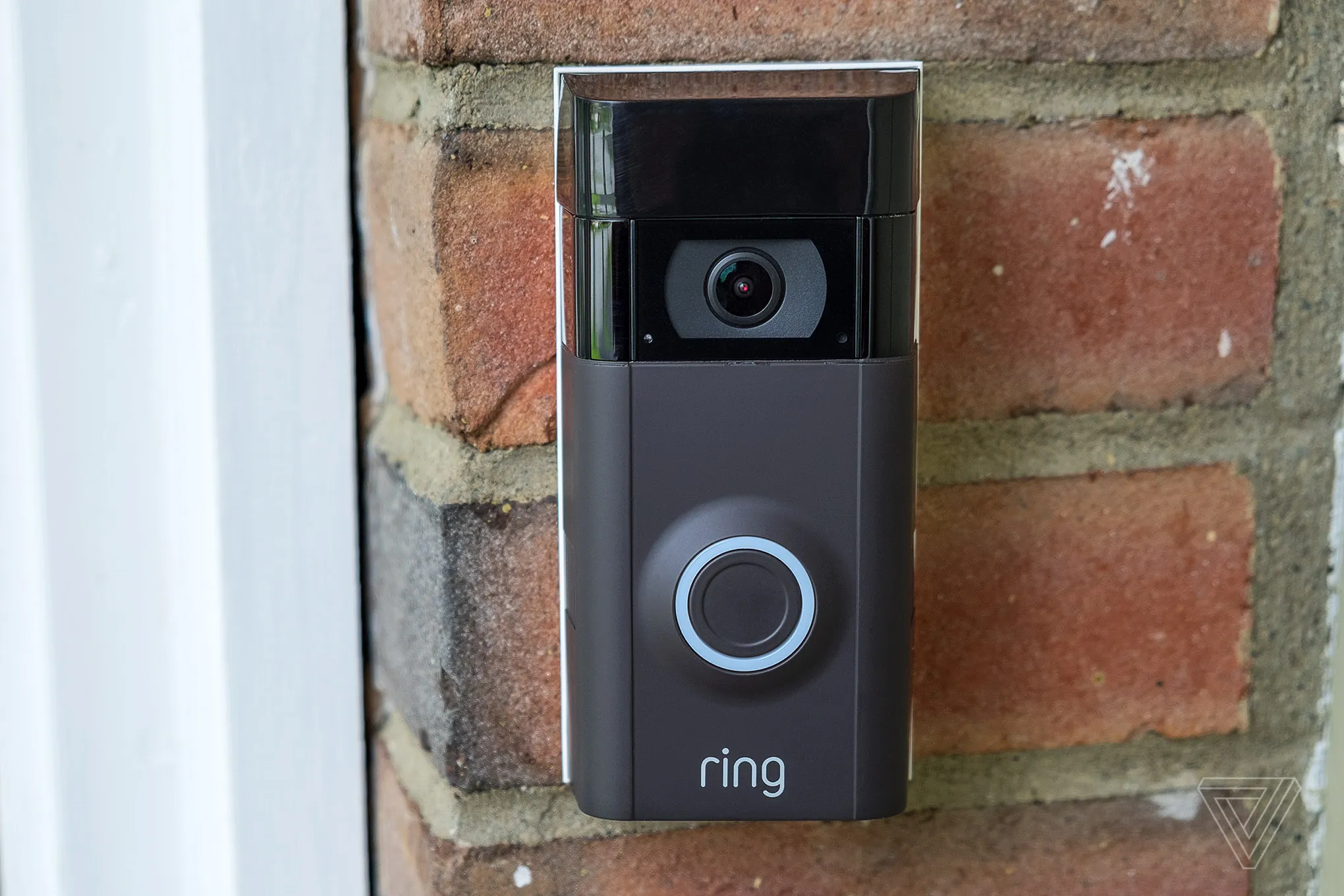

Millions of homeowners now use smart doorbell cameras to monitor deliveries, visitors, and suspicious activity outside their homes, but many may not realize there are legal rules surrounding how the devices can be used.
Privacy experts are warning that failing to follow certain regulations when installing cameras such as Ring doorbells could potentially lead to complaints, legal disputes, or even significant fines in serious cases.
The issue mainly centers around what your camera records beyond your own property.
Why Doorbell Cameras Can Become A Legal Issue
If a smart doorbell camera only records within the boundaries of your property, such as your driveway, front path, or doorway, there is usually no problem.
However, things become more complicated if the device captures footage or audio from public areas, neighboring homes, gardens, or shared spaces.
Under UK privacy laws, including the UK GDPR and the Data Protection Act 2018, homeowners may become classified as “data controllers” if their cameras record beyond their private property.
That means additional legal responsibilities can apply.
What Homeowners Are Expected To Do
Experts say homeowners should have a clear reason for using surveillance devices, with home security generally accepted as a valid purpose.
People using smart doorbells are also advised to place visible signs informing visitors that recording may be taking place.
Any footage collected should be stored securely, deleted when no longer needed, and handled responsibly if another person requests access to recordings involving them.
Privacy specialists also recommend adjusting camera angles carefully to avoid unnecessarily filming neighboring properties or recording private conversations.
Audio Recording Can Create Bigger Problems
Legal experts warn that audio recording can sometimes create more privacy concerns than video footage alone.
One widely discussed UK court case involved a homeowner whose security cameras captured audio and video around a neighbor’s property. The court found parts of the surveillance intrusive enough to violate privacy laws.
The case also involved allegations of harassment after the homeowner reportedly threatened additional hidden cameras and made misleading claims about surveillance activity.
Although most disputes involving doorbell cameras never reach court, the case highlighted how seriously privacy complaints can be treated when surveillance goes beyond reasonable home security.
Most Problems Can Be Solved Early
Solicitors and privacy experts say the vast majority of disagreements over smart cameras can usually be resolved through polite conversations between neighbors before legal action becomes necessary.
They recommend homeowners regularly check what their devices can see and hear, especially after adjusting camera positions or installing newer models with wider recording ranges.
As smart doorbell cameras continue becoming more common, experts say balancing home security with privacy rights is increasingly important for avoiding unnecessary legal trouble.