
Legal Battle Begins Over New Trade Tariffs
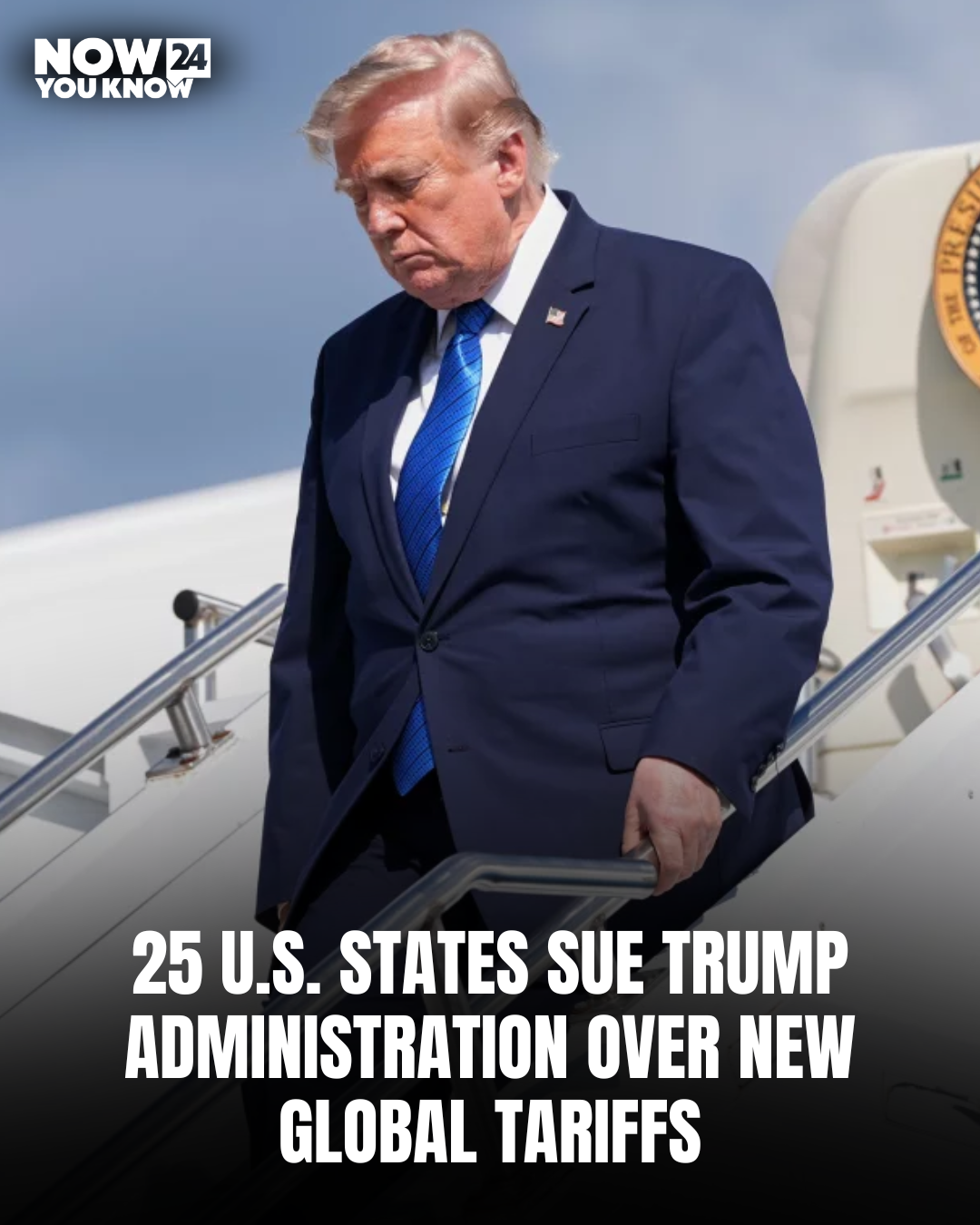
A coalition of 25 U.S. states has filed a lawsuit challenging President Donald Trump’s latest tariffs on imports from dozens of countries. The states argue the measures are unlawful and claim the administration exceeded its authority by imposing broad trade restrictions under existing U.S. law.
Why the Tariffs Were Introduced
The Trump administration says the new tariffs, ranging from 10% to 12.5%, target countries that have failed to adequately address forced labor in their supply chains. Officials argue the policy is intended to protect American businesses and ensure imported goods meet U.S. trade standards.
States Call the Measures Illegal
In the lawsuit, the states describe the tariffs as “arbitrary” and argue they go far beyond what federal law allows. Several Democratic governors and attorneys general contend the policy will increase costs for American consumers and businesses rather than placing meaningful pressure on foreign governments.
White House Defends the Policy
The White House maintains the tariffs are legally justified under Section 301 of the Trade Act of 1974, which allows the U.S. to respond to unfair trade practices. Administration officials say the policy builds on similar actions taken during Trump’s first term, many of which survived previous legal challenges.
Global Reactions Continue
Several affected countries have criticized the new tariffs. Governments including Brazil and Japan have called the measures unjustified, while China has accused Washington of using forced labor concerns for political purposes. The tariffs affect a large share of goods imported into the United States.
Experts Expect a Lengthy Court Fight
Trade analysts say the lawsuit could become one of the most significant legal challenges to the administration’s trade agenda. Some experts question whether the government has presented enough evidence to justify such broad tariffs, while others believe parts of the policy could eventually be revised or narrowed.
What Happens Next?
The case is expected to move through the federal court system in the coming months. Until a ruling is issued, the tariffs are expected to remain in effect, leaving businesses, importers, and global markets closely watching the outcome of the legal dispute.